
Combining Thread Lift and Dermal Fillers: Order, Spacing and Why
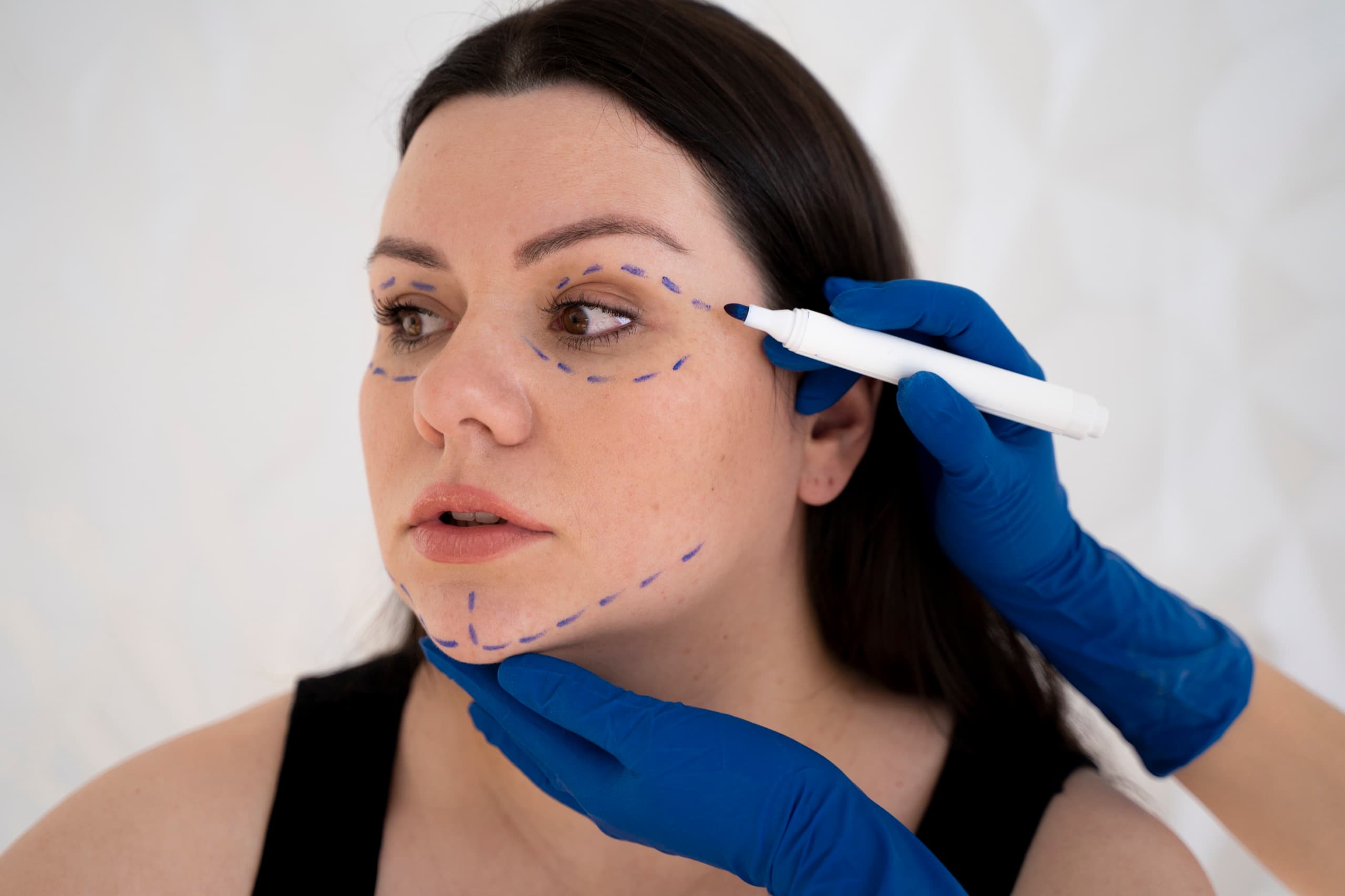
Threads and filler solve different problems. One repositions tissue that has descended; the other replaces volume that has gone. A combined plan is common precisely because most faces have some of both. What is not fixed is the order and the interval — neither is a published rule, and both are set by your doctor at the consultation, after looking at which change should be assessed first.
If you already know what each treatment does, this piece is about the part that usually gets skipped: sequencing.
Are threads and filler two versions of the same thing?
No, and confusing them is what produces a result that looks done.
A thread lift anchors fine absorbable threads under the skin and uses them to reposition tissue that has descended. The lift is visible at the end of the appointment, and as the threads break down they provoke a collagen response along their path, so firmness can keep improving for some weeks afterwards.
Dermal filler is a gel placed beneath the skin to restore volume that has been lost, soften deep static creases and refine contour. It adds structure rather than repositioning anything, and the change is visible almost immediately.
Put plainly: if your cheek has slid downward, that is a lift problem. If your cheek has flattened and lost its fullness, that is a volume problem. Faces in their forties and fifties usually present with both at once, in different proportions — which is the whole reason a combination gets discussed.
Why would a doctor combine them rather than pick one?
Because the wrong tool on the right problem is what makes a result read as artificial.
Filler placed to fake a lift ends up as excess volume — the face gets heavier rather than higher. Threads used where the real deficit is volume produce a lift with nothing underneath it to support the contour. The filler core is blunt about this: the doctor's first job is to work out whether your concern is volume loss, movement or skin quality, because filler addresses the first of those.
The threads core says the same thing from the other side. Volume loss is better treated with filler and skin quality with a resurfacing or biostimulator treatment, so a combined plan is common, and the doctor sequences them.
Which one gets planned first?
The assessment does. Both cores start at the same place, and it is not a procedure.
For threads, the doctor establishes whether your laxity is in the range threads can actually treat — beyond that range a thread lift disappoints, and you should be told so before you book. For filler, the doctor decides what has actually changed in your face, and whether product, plane and volume can deliver what you are asking for.
Only after that does an order exist. There are real considerations either way, and they are worth understanding so you can ask about them:
- Repositioning changes where volume is needed. Threads move tissue that has descended back up along a planned vector. Where that tissue ends up affects how much filler a contour still needs, and where. Assessing volume after the lift has settled gives a different answer from assessing it before.
- Volume gives contour something to sit on. A jawline or a cheekbone is read as much by projection as by position, and filler is the tool that restores projection directly.
- Swelling makes anything assessed too early unreliable. Filler's final result is at one to two days. A thread lift is reviewed once the swelling has settled so the final position can be judged properly. Neither is honestly assessable on the day.
Which of those considerations dominates is a judgement about your face, not a rule. Ask the doctor to say out loud why the order they are proposing is the order they are proposing.
How far apart should the two appointments be?
Neither treatment carries a fixed published interval, and any clinic quoting you one from a brochure rather than from your face is guessing. What the two cores do give you is a floor, built out of downtime and aftercare.
Thread lift. An in-clinic appointment, typically under an hour, under local anaesthetic. Mild swelling or bruising for a few days, usually settling within about a week. Tightness or a pulling sensation early on is normal. You are asked to avoid facial massage and face-down sleeping for the first week. You are reviewed once the swelling has settled.
Dermal filler. About 15 to 30 minutes once the consultation is done, after anaesthetic cream has been left on for 30 to 45 minutes. Swelling and redness are very common in the first hours to days and typically settle within one to two days. Most patients recover fully within one to two days. Aftercare asks you to leave the treated areas alone for 24 to 48 hours, skip steam rooms, saunas and facials for around 15 days, and avoid strenuous exercise for 72 hours.
Read those together and the shape of the answer appears. Each procedure has a window in which its own result cannot yet be judged, and the second procedure is planned around the end of that window rather than around a calendar. Your doctor sets the actual date at consultation.
Do the aftercare rules clash?
They overlap more than they conflict, and the overlap is convenient.
Both ask you to keep hands off. Threads rule out facial massage for the first week; filler rules out touching or rubbing the treated areas for 24 to 48 hours, and facials for around 15 days. Those are the same instruction at different lengths, so a combined plan simply runs to the longer one.
There is one preparation instruction that belongs to filler specifically and is easy to miss: avoid alcohol for at least 24 hours beforehand, tell your doctor about blood-thinning or anti-inflammatory medication well in advance, mention any infection or active breakout at the intended injection site, and eat before you come in. Bruising is more likely if you take blood thinners or fish oil.
Will the two wear off together?
No, and it is worth planning for.
A thread lift generally holds for several months to around a year, depending on the thread type, the area, your skin and your age — though the collagen laid down along the way can outlast the threads themselves. Filler generally lasts from about six months to two years, depending on the product, the area and your own metabolism.
Those ranges overlap but do not match, so a combined plan does not come due all at once. Expect the two halves to need attention at different times, and expect the review appointments to be the place that is worked out.
What does a combined plan cost?
The two are priced on different bases, so there is no single combined figure to quote in advance.
A thread lift is priced per thread rather than as one flat fee, because the number of threads depends on the area treated and how much lift is planned — a single-area lift uses far fewer threads than a full-face plan. You are given the exact number of threads and the total at consultation, before anything is done. Filler is quoted against the plan the doctor has drawn for you.
The consultation itself is ₹500, waived against treatment, and it is where both figures become real rather than indicative.
What should I watch for after each procedure?
After threads: small irregularities or puckering along a thread's path can appear early on and usually settle, but tell your doctor if they persist rather than waiting it out. Infection or thread extrusion is uncommon but possible — increasing pain, redness or discharge at an entry point is a reason to contact the clinic rather than manage it at home. Threads placed on the nose sit close to the vessels supplying the overlying skin; severe pain, blanching or a dusky colour change should be reported to the clinic straight away.
After filler: swelling, redness, bruising and tenderness are common and short-lived. If the product settles unevenly in the first days, tell your doctor rather than massaging it yourself — hyaluronic acid fillers can be adjusted or dissolved if needed. Infection, allergic reaction and blockage of a blood vessel are rare but real risks of any filler, and they are the reason the treatment is doctor-only here, in a clinic that stocks the reversal agent.
Neither list is a reason to avoid a combination. They are the reason both halves of it belong with a doctor who planned them together and knows what each one is expected to do.
Getting the plan made
Come with the concern rather than the treatment name. "My jawline has softened and my cheeks look flat" is a more useful opening than "I want threads and filler", because it lets the assessment decide the proportions.
Threads are not advised during pregnancy or breastfeeding, with an active skin infection, or where there is skin cancer or significant laxity better served by another approach — and being told that plainly is part of what the appointment is for.
Book a consultation and have the order, the interval and the reasoning explained before either appointment is set.