
Combining Oxygen O Facial and Chemical Peel: Order, Spacing and Why
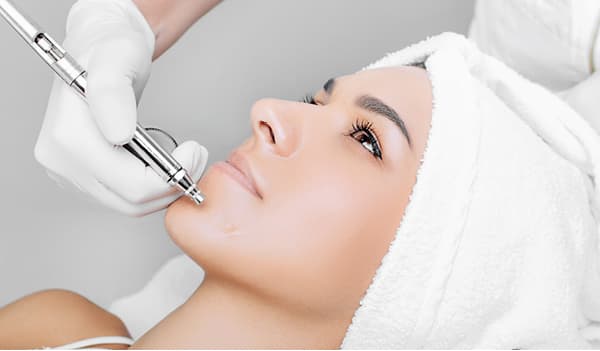
The order is settled, and that makes this combination simpler than most: the chemical peel comes first and the Oxygen O facial follows, because the Oxygen O pairs well after milder treatments as a hydration finish. The gap between them depends on the depth of peel you had and how your skin responded, which is a figure your doctor gives you rather than one an article can. What makes this pair unusual is that the spacing requirement runs in one direction only.
Why is the order one-directional?
Because only one of the two leaves the skin in a state the other has to wait for.
A superficial peel leaves slight redness or flaking for a few days, and asks you to stay out of direct sun and heat while the skin settles, not to pick or peel or scratch but to let it shed on its own, and to avoid waxing, threading or bleaching for a week. Those are real constraints and something applied to the face has to respect them.
The Oxygen O imposes none. There are no acids at strength, no abrasion and no heat — it is a controlled stream of pressurised oxygen carrying hydrating and brightening serums across the face, with nothing piercing the skin. Afterwards there are no restrictions at all: normal skincare and makeup can resume the same day. So a peel has to wait for nothing the Oxygen O left behind, while the Oxygen O does have to wait for the peel.
That asymmetry is the whole practical lesson. Patients who understand it stop worrying about which treatment "cancels" the other and start thinking about the calendar instead.
My peel was last week and I have an event in ten days — what now?
That is usually workable, and it is the commonest version of this question.
The Oxygen O is the classic pre-event facial for a specific reason: skin looks plumper and brighter immediately after the first session, with the full glow settling in over a day or two, and the treatment is timed either as a standalone glow session or one to two days before an event. A single session's glow typically holds for one to two weeks depending on your skin and routine.
So the sequence most patients want — peel work done earlier, Oxygen O close to the day — is the sequence the treatments themselves suggest. What has to be confirmed is that the peel has fully settled, and that depends on its depth. Superficial, medium and deep peels are all offered and matched to your skin and concern, and a superficial peel's few days of flaking is a very different proposition from a deeper one. Tell the clinic the event date at the peel appointment, not afterwards.
How close to the day should the Oxygen O go?
One to two days before, if you want the glow at its peak on the day itself. The full effect settles over a day or two rather than appearing instantly at full strength, so the same-morning appointment is not the optimal booking even though there is no downtime to recover from.
The absence of downtime is what makes that timing possible at all. A session runs 45 to 60 minutes, most patients find it relaxing, and makeup can go on the same evening. Nothing about it needs a buffer day.
Can the two run in the same month?
Often, yes — but the peel course sets the rhythm.
Peel courses run over several months for superficial peels and fewer sessions for deeper ones, so a course is a months-long commitment with its own spacing. The Oxygen O has no course requirement at all; it works as standalone glow sessions whenever you want one, with regular sessions maintaining the effect.
Which means the honest answer is that the Oxygen O fits into the gaps rather than competing for a slot. Where exactly those gaps fall is a conversation for your review appointment, with your skin in front of someone — we would be making up a number otherwise, and the depth of your peel is the variable that decides it.
What if my skin is reactive?
Then the Oxygen O is likely to be the easier half of this pair for you. It is one of the gentlest facials offered — no acids at strength, no abrasion, no heat — and the serum protocol is adjusted for reactive or breakout-prone skin at assessment.
The peel side needs more care, and the process already accounts for that. A patch test is always done before the first full peel, a doctor assesses your skin type, tone and texture first, and you are asked to tell us about any glycolic acid allergy. You also stop exfoliating scrubs and benzoyl peroxide for at least 48 hours beforehand and avoid waxing or bleaching. If your skin is genuinely reactive, that assessment is where the peel depth gets chosen conservatively — which in turn shortens the wait before the Oxygen O can follow.
When is the glow facial the wrong thing to book?
When the peel has not finished settling. Skin that is still actively flaking is not skin to apply a serum protocol to, however gentle that protocol is, and the instruction to let the shedding complete on its own is there for a reason.
It is also worth being clear about what the Oxygen O is not. It is a facial, not a treatment for the concerns a peel addresses — nothing is breathed in, nothing pierces the skin, and the result is hydration and glow rather than a change in tone or texture over time. If what you actually want is the peel's work, booking more Oxygen O sessions will not substitute for it.
Does Bangalore change the timing?
Two things, both practical.
The first is wedding and festival season, which is when this question arrives most often. If you have a date in the diary, work backwards from it at the consultation: the peel course needs months, the Oxygen O needs a day or two. The patients who end up disappointed are the ones who book the peel first and mention the wedding later.
The second is the sun instruction, which is the one part of the peel aftercare that is genuinely harder here than the leaflet suggests. Staying out of direct sun and heat while the skin settles is a real ask on a commute down the Outer Ring Road or through Indiranagar traffic in the afternoon, and daily broad-spectrum sunscreen matters for the whole settling period. Time the peel to a week when you can actually keep that promise.
Getting it planned properly
Bring both wants to the same consultation. A doctor assesses your skin, picks the peel depth and the serum protocol, confirms compatible combinations and lays the two rhythms against each other — and if there is an event involved, that date belongs in the conversation from the start rather than as a later complication.
You can book an appointment at our Bellandur or Indiranagar clinic and ask for both to be planned together.