
Yuskin GFC Treatment in Bangalore: What Local Conditions Change
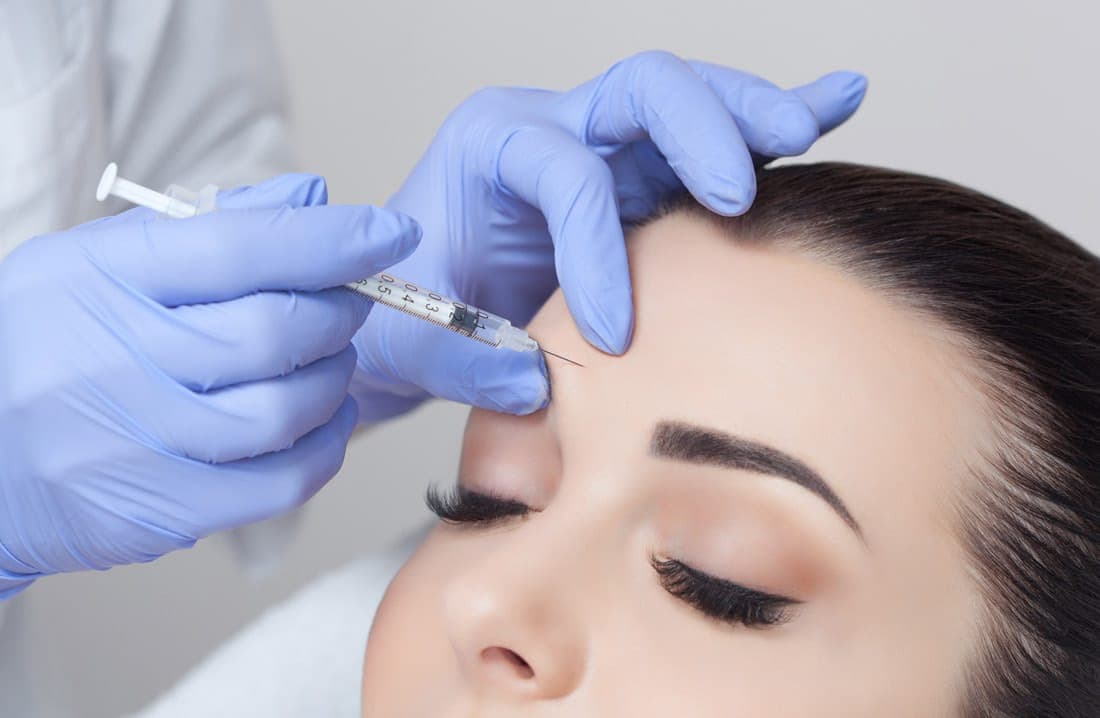
Bangalore changes very little about Yuskin GFC itself. The concentrate is made from your own blood, the same way, whatever the weather is doing outside. What the city genuinely changes is the confusion around the name, whether a four to six session course survives a calendar built around travel, and how a scalp feels under a helmet the day after treatment.
Those are practical problems rather than clinical ones, which is exactly why they are worth planning for.
Which GFC did they mean — the one for skin, or the one for hair?
This is the most common misunderstanding we see locally, and it comes from how people here hear about the treatment in the first place.
Aesthetic treatments travel through Bangalore offices by word of mouth. Someone in your team mentions they have started GFC, you look it up, and you arrive at a consultation having decided on an acronym rather than a treatment. The trouble is that GFC covers more than one thing at this clinic.
Yuskin GFC uses one preparation for two applications: into facial skin for texture, glow and early ageing, or into the scalp to support thinning hair. The separate GFC Hair Loss Treatment is a scalp-only protocol with its own aftercare instructions and its own maintenance schedule.
So when a colleague says GFC worked for them, the useful follow-up question is which one, and where they had it placed. And at your own consultation the doctor confirms the application — face, scalp or both — by examining you, not by asking which you would prefer.
Does Bangalore's water explain my hair fall?
It is the first explanation almost everyone here reaches for, and arguing about water is not what a consultation is for.
The question that actually decides whether this treatment applies to you is a different one: how much living follicle is still there. GFC supports follicles that are weakened but still active. It does not work on completely bald areas, and no amount of water filtration changes that either way.
That is why the assessment happens before anything is drawn. A doctor looks at your scalp and tells you honestly whether growth factors have something to work with — and if an area is beyond that point, says so and discusses alternatives rather than starting a course you would not benefit from.
I want it for my face, not my hair. Is that a different treatment?
Same preparation, different destination.
On facial skin the concentrate supports collagen and repair, which is aimed at the complaints people bring in most often here: skin that looks tired and uneven when creams have stopped making a difference, and fine lines, dark circles or old acne marks that have started showing up in photographs.
Practically, the appointment looks the same whichever application you are having. About 10ml of blood is drawn, the GFC kit prepares 4 to 5ml of concentrate while numbing cream takes effect, and the doctor places fine micro-injections across the planned facial zones or the thinning scalp areas. Around thirty minutes.
The two applications differ in how the result is judged, and that matters more than it sounds. Facial results build gradually across the session course. Scalp protocols are reviewed at the three-month mark against standardised photographs taken before you started.
Will a four to six session course actually survive my calendar?
This is the local risk, and it is worth being blunt about.
Most plans run four to six sessions, spaced by the doctor. For the scalp there is then a fixed assessment point three months in, judged against photographs taken on day one. Bangalore is a city people leave for a quarter and come back to, relocate across, and disappear from during a launch. A course abandoned at session two does not produce a smaller version of the result; it produces no useful review, because the photographs have nothing to be compared against.
The fix is unglamorous. Before you start, look honestly at the next few months and say out loud at the consultation if there is travel in them. Spacing is a clinical decision your doctor makes, and they would far rather set a realistic schedule at the start than discover in month two that you are in another city.
What does a two-wheeler commute mean for the day after?
Mild soreness after a scalp session is documented and settles quickly, alongside redness or small bumps at the injection points for a day or two. Some people get a mild headache after scalp treatment.
None of that is alarming. It does mean that if your commute involves half an hour in a helmet, the day after a scalp session is a reasonable thing to raise before you book it rather than after. Ask your doctor at the appointment what they want you to do about it — the aftercare that applies to you comes from the person who treated you, and it varies with what was placed and where.
The blood draw deserves the same honesty. It can leave a small bruise at the draw site, in the way any blood test can.
Does it matter which branch I go to?
The treatment is the same at our Indiranagar and Bellandur clinics. What is not the same is what a course costs you in journeys.
Four to six appointments plus a three-month review is five to seven trips across a city where the trip is often the hard part. Choosing the branch you can reach without rearranging your day is not a minor convenience — for a treatment judged on a completed course, it is most of what determines whether you finish.
What does living here not change?
Everything clinical.
The concentrate comes from your own blood, so allergic reactions are rare and nothing synthetic is being introduced. Every session is performed by a doctor. The application is confirmed at consultation after your history has been reviewed. And the honest limits stand wherever you live: growth factors support follicles that are still alive, and no one can promise regrowth from a treatment whose ceiling is set by how much active follicle remains.
If something at an injection site is getting worse rather than better — pain increasing, redness spreading rather than fading — contact the clinic and let the people who treated you look at it, instead of waiting it out.
Getting started in Bangalore
Read the protocol in full on the Yuskin GFC treatment page. If you are weighing it against the other growth-factor options, PRP and the scalp-only GFC protocol are both worth reading before you decide anything.
Then book a consultation at whichever clinic is on a route you already travel. It is ₹500, waived against treatment, and the cost of a course is quoted there — once a doctor knows whether they are treating your face, your scalp, or both.