
Yuskin GFC: The Same Growth-Factor Treatment for Face and Hair
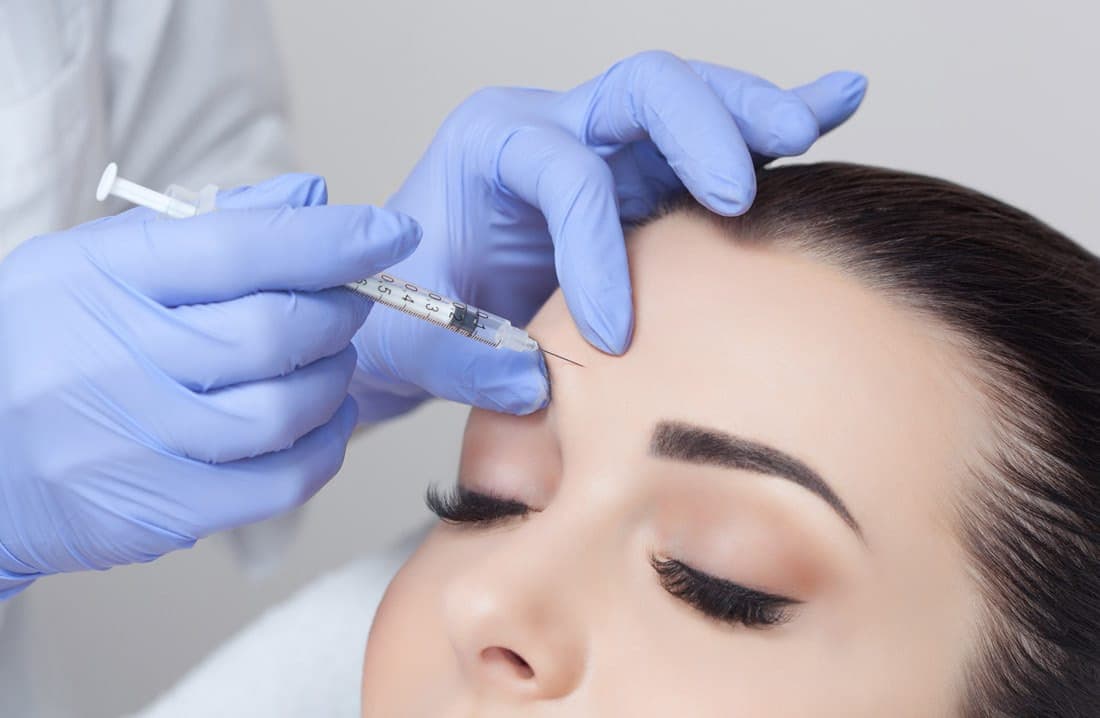
Yuskin GFC concentrates the growth factors from a small sample of your own blood and returns them to where they are needed — into facial skin for texture, glow and early ageing, or into the scalp to support thinning hair. It is one preparation with two applications, and both are administered by a doctor. That is the short answer to the question most people arrive with, which is whether the face treatment and the hair treatment they have read about are two different things.
They are not. The preparation on the tray is the same. What changes is where it goes, at what depth, and what a realistic result looks like — and those differences are worth understanding before you decide which conversation you want to have at consultation.
What is actually being injected?
Growth factors isolated from your own blood. Nothing synthetic is injected, which is the main reason reactions are rare. About 10ml of blood is drawn, and roughly 4 to 5ml of GFC is prepared from it.
Yuskin GFC Treatment uses a preparation process that removes cells and debris, so what ends up being injected is cleaner and more concentrated than a standard preparation. That purification step is the whole technical point of GFC, and it is what separates it from the older approach most people have heard of.
A session runs around 30 minutes, which includes the draw and the preparation time. Most plans run 4 to 6 sessions, spaced by the doctor according to what is being treated and how you respond.
How is GFC different from PRP?
GFC is a step further along the same idea. Platelet-rich plasma is prepared from your blood too, but GFC goes on to isolate and concentrate the growth factors specifically, removing cells and debris in the process. The result is a higher and more consistent yield per session than standard PRP.
On the scalp in particular, that consistency is the argument for it. GFC delivers a higher, more consistent growth-factor yield than standard PRP to support weakening follicles — which matters over a course of several sessions, because what you are really buying is the cumulative effect rather than any single visit.
Whether that difference is worth it for your particular case is a clinical judgement, not a general one. The consultation is where that gets settled.
What does it do for the face?
On facial skin, growth factors support collagen and repair. In practice that shows up as improvement in texture, in fine lines, in dark circles, and in the marks acne left behind.
That last one brings a lot of people through the door in this city. Bangalore's combination of humidity, the dust on the arterial roads, and long hours under air conditioning is hard on skin that is already acne-prone, and the marks left behind after the active breakouts settle tend to outlast the breakouts by years. Those marks are a texture and repair problem, which is the category GFC works in.
Facial results build gradually across the course rather than appearing after one visit. That is an honest description of the mechanism rather than a hedge — you are supporting your skin's own repair processes, and those work on their own timetable.
What does it do for the scalp?
On the scalp, GFC supports weakening follicles. The word "support" is doing precise work there, and it is the right word. This is not a treatment that creates follicles where none remain.
Hair protocols are honestly assessed at the three-month mark rather than promised upfront. If you are told at the outset exactly what your hair will look like in six months, you are being sold something rather than treated. The three-month review against where you started is how this is properly judged.
If hair is your main concern, it is worth knowing that GFC is not the only route. GFC Hair Loss Treatment is the scalp-focused version of this same approach. QR678 Hair Growth Treatment takes a different one — a plant-derived formulation rather than a preparation made from your blood, which means no blood draw at any session. Which of these suits your scalp is decided by examination, not by preference formed in advance.
Is it safe, and what should I expect afterwards?
The concentrate comes from your own blood, so allergic reactions are rare. That is the direct consequence of the mechanism: there is no foreign substance for your body to react against.
What you should expect is some redness, small bumps, or mild soreness at the injection points for a day or two. That is normal and settles. Plan accordingly if you have something you would rather not have visible marks for, and give yourself the buffer of a day.
It is performed by a doctor, always. With any treatment that involves drawing blood and injecting a preparation made from it, who is holding the needle and who prepared the sample is not a detail to be casual about.
Can I have it for both face and hair?
Yes — the doctor confirms the right application, or both, at consultation. Some patients come in about their hair and end up discussing their skin, or the reverse. Because the underlying preparation is the same, treating both is a question of planning sessions sensibly rather than of combining two unrelated treatments.
What it is not is a reason to treat an area that does not need it. A good assessment will tell you where this is likely to help and where your concern would be better addressed another way.
Before you book
Worth thinking about in advance: which concern actually bothers you most, how long it has been going on, and what you have already tried. For hair, any older photographs you have are genuinely useful, because the comparison at review is far more reliable than memory.
You can book an appointment at either our Indiranagar or Bellandur branch. Ask directly whether your concern is one this treatment addresses — a clear no to that question is more valuable than a vague yes.