
Why Botox Is a Course, Not a Single Session
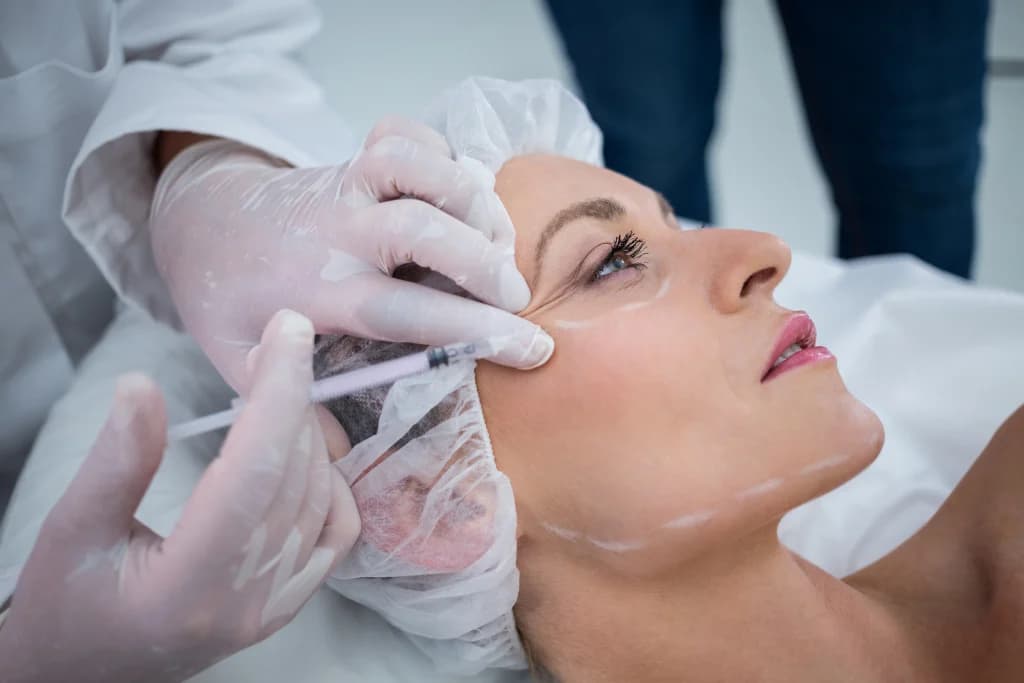
Botox at this clinic is a single sitting, reviewed two weeks later — not a block of sessions to work through. What makes it feel like a course is the rhythm afterwards: the effect typically lasts three to six months, so keeping the result means returning. One appointment, one review, then a repeat when the movement comes back.
That distinction is worth getting straight before you pay for anything, because the two things are sold very differently. A treatment that needs six sittings and a treatment that needs one sitting twice a year both get called "a course", and only one of them justifies buying sessions in advance.
So how many sittings does one Botox treatment take?
One. The injections themselves are a single appointment of roughly fifteen to thirty minutes, and that appointment delivers the whole dose your plan calls for. There is no second half of the treatment waiting in another sitting.
What happens after it is not a further treatment but a waiting period. Changes usually begin at around four to seven days and settle by about two weeks. Most patients go back to the rest of their day straight from the appointment — downtime is minimal — so the "course" is mostly you living normally while the effect arrives.
Why is there a second appointment two weeks later?
Because two weeks is the first honest moment to judge the result. Before that the effect is still settling, so anything you notice at day five may not be what you are left with at day fourteen.
The review exists to catch two specific things. The first is a point that has taken less than expected and needs a small adjustment. The second is uneven settling — a brow sitting slightly differently, or a feeling of heaviness on one side. That is uncommon, and it is usually a matter of the effect settling unevenly in the first fortnight rather than anything having gone wrong. The review is where it gets corrected, rather than guessed at on the day of treatment when nobody can yet see how your muscles have responded.
Treat that appointment as part of the treatment, not an optional extra. It is the only visit at which an adjustment can be made properly.
Does the effect build up if you keep having it?
We are not going to claim it does, because our own treatment information does not claim it. What is documented is the duration: typically three to six months per round, after which the muscle gradually returns to its usual movement.
You will read confident assertions elsewhere that repeated treatment trains the muscle and stretches the interval. Whether that happens for you, and whether your own intervals lengthen, is a question for the doctor who is tracking your treatments over time — not something to promise in advance. What we can say plainly is what happens at the other end: if you stop, nothing sudden occurs. The effect wears off across months and the muscle returns to its previous movement. Lines come back to how they were, not worse.
When is the next one due?
Somewhere in that three-to-six-month window, and where exactly depends on you. Muscle strength, the area treated and the dose all move the number, which is why two people leaving the same clinic on the same day can be back at different times.
The practical signal is movement rather than the calendar. As the effect fades, the muscle starts contracting more and the line reappears with it. Most patients book when they notice that starting, rather than waiting for the result to disappear entirely.
If you are planning around a specific date — a wedding, a shoot, a trip — work backwards from the two-week settling point rather than from the injection day.
Is a pre-paid package a good idea?
It depends entirely on whether anyone has examined you yet, and that is the line worth holding.
A package quoted after a doctor has watched your face move, mapped your points and told you the dose is simply a fee for a plan that already exists. A package sold before that assessment is a commitment to a quantity nobody has established you need. Botulinum toxin is dosed in units, and the unit count is what decides both the result and the bill — so a block bought sight-unseen is a block bought at an unknown dose.
Three questions make the difference visible:
- How many units, and across which areas? A frown line and a jawline are very different quantities.
- What happens to the balance if the plan changes at the two-week review?
- Does the package price assume a fixed interval? Your interval is personal, and a package that only works if you return exactly on schedule is a package built around the clinic's diary rather than your face.
The rate here is from ₹299 per unit — and on its own that figure tells you very little, because it is the unit count, not the rate, that decides what you pay. That is why the consultation quotes the plan rather than the website quoting a total.
What should a plan actually contain before you pay?
Four things, all of which come out of the assessment rather than a price list: which of your lines are dynamic and therefore likely to respond, the injection points and the dose planned for your own muscle pattern, the degree of softening you have asked for, and the date of the review.
The first of those is the one most often skipped. The doctor examines your face at rest and in movement precisely to separate dynamic lines from static ones, because only the first group responds well to a wrinkle-relaxing injectable. A plan that has not made that distinction is selling you sessions against a problem the treatment may not address.
Dosing here is deliberately conservative, and the aim is softened lines with your expression intact. A frozen look is a dosing outcome, not an inherent property of the treatment.
When should the plan stop and a conversation start?
Before any repeat, if something about the last round was not right — a result that faded much faster than expected, a bruise that took longer than a few days to clear, or heaviness that did not resolve after the review. Do not assess these at home and do not simply book the next round hoping it settles differently. Ring the clinic and describe what happened, so the next dose is planned around it rather than repeated blindly.
Anything else worth knowing gets covered at consultation: this is a prescription medicine, so your medical history is reviewed first, and it is not advised during pregnancy or breastfeeding, with an active infection at the injection site, or with certain neuromuscular conditions. Tell your doctor about all medication, including blood thinners.
Where to start
Read what the treatment actually addresses on the Botox page. If your concern is jaw clenching or excessive sweating rather than expression lines, the same injection is described under wrinkle relaxer; if it is pores, oiliness and texture, that is Skin Botox, which is a different technique altogether.
When you are ready, book a consultation. It is ₹500, waived off against treatment, and it is where the honest number of sittings — and units — gets decided.