
What Is Teeth Whitening? A Plain-English Explanation
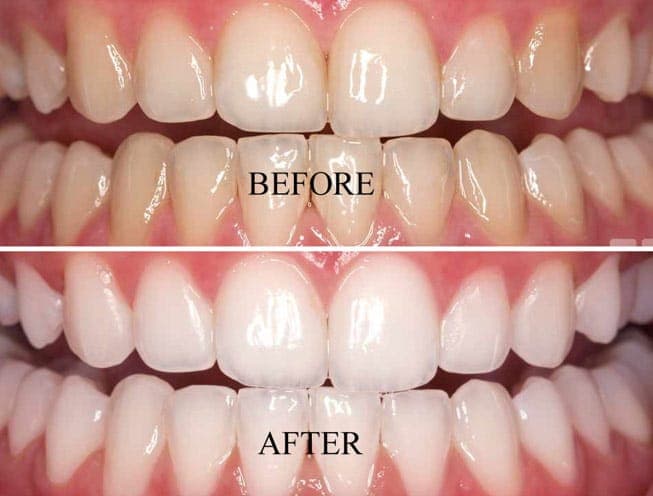
Teeth whitening is a dental procedure that uses a peroxide-based gel to lighten the shade of natural tooth enamel and lift stains left by age, tea, coffee and tobacco. Carried out in a clinic, the strength of the gel is controlled, the exposure is timed, and your gums are protected before anything is applied — which is the main difference from a kit bought off a shelf.
That is the whole of it. Most of the confusion around whitening comes from what people assume it also does, so this piece spends as much time on the limits as on the procedure.
What is teeth whitening, in plain terms?
It is a cosmetic dental treatment that changes the shade of the tooth you already have. Nothing is drilled, nothing is shaved down, and no enamel is removed — which makes whitening one of the few cosmetic dental options that only adds and never subtracts. It is performed by a dentist, always, and the target shade is agreed with you beforehand so the result reads as a healthy version of your own teeth rather than something obviously artificial.
How is it different from a whitening toothpaste?
A whitening toothpaste works on the surface of the tooth; a professional treatment changes the shade of the enamel underneath. Whitening pastes are mildly abrasive and lift surface stain only. They do not contain enough active agent to alter the underlying colour of the enamel, which is exactly what a clinical treatment sets out to do. If you have used one faithfully for months and seen nothing, that is the expected outcome rather than a sign you did something wrong.
What actually happens at the appointment?
Four things, in order.
Assessment. Your teeth and gums are examined, the cause of the staining is identified, and a realistic target shade is agreed with you.
Preparation. A professional clean, then isolation and protection of the gums and soft tissues before any gel touches a tooth. The clean is not cosmetic housekeeping — a scaling and polishing appointment first means the gel meets clean enamel rather than a layer of deposit.
Whitening. The peroxide gel is applied to the enamel and monitored, with reapplication as needed to reach the shade you agreed on.
Aftercare. Dietary guidance for the first days, advice on managing sensitivity, and a plan for holding the result — usually good hygiene plus periodic cleaning.
Most people need one in-clinic session, sometimes two. There is no downtime, though strongly staining foods and drinks are avoided for a couple of days afterwards.
Why does the examination come first?
Because bleaching over an existing problem hurts. The pre-treatment check looks for decay, cracks and exposed roots, and finding any of those changes the plan. This is the part of the appointment that is easiest to dismiss as a formality and the part that most reliably prevents a bad experience. It is also where the cause of your particular staining gets named, which decides whether whitening is the right tool at all.
What will whitening not change?
Existing dental work. Crowns, veneers and tooth-coloured fillings do not bleach, because whitening only acts on natural enamel. If you have visible restorations in your smile line, they may end up looking darker than the teeth around them once the natural teeth lighten. Your dentist will raise this at assessment and discuss sequencing — restorations are often replaced afterwards to match the new shade. Where several visible restorations are involved, that becomes a wider smile makeover conversation rather than a single whitening appointment.
Some discolouration also responds poorly. Staining from tetracycline, fluorosis, trauma or a tooth with a dead nerve tends to respond unevenly or barely at all to external bleaching. A dentist should tell you that at assessment rather than after you have paid for a session.
How long does the result last?
Usually several months to a few years. The range is that wide because it depends almost entirely on you — diet, smoking and oral hygiene. Heavy tea, coffee or tobacco use will shorten it considerably. Nobody can put a number on your result before knowing your habits, and anyone who does is guessing.
What side effects should I expect?
Two, both common and both short-lived.
Tooth sensitivity is the usual one. Teeth may react to cold for a day or two afterwards. It typically settles on its own, and a desensitising toothpaste helps. If your teeth are already sensitive, say so before the appointment rather than during it — sensitivity can be managed with a desensitising regimen beforehand, or by using a gentler protocol spread over more sessions.
Gum irritation — brief soreness, or a whitened patch at the gum margin if any gel reaches soft tissue — settles quickly.
When should I contact the clinic rather than wait it out?
Please get in touch with us rather than trying to work out what is happening yourself. Ring the clinic or book a review appointment if any of the following turns up after whitening:
- sensitivity that is getting worse day by day instead of easing
- pain still present beyond a few days, or pain that wakes you
- throbbing or spontaneous pain that arrives without a hot or cold trigger
- sharp pain when you bite down on one particular tooth
- a gum area that stays sore, looks ulcerated, or has not settled within a few days
- any facial swelling, or a bad taste that will not clear
None of these means we can tell you over the phone what is causing it, and this list is not a way to diagnose yourself. Several of them overlap with problems that have nothing to do with whitening at all, and only an examination separates one from another. The point of the list is simply that these are reasons to be seen, not reasons to wait and hope.
One planning note: elective cosmetic whitening is generally postponed during pregnancy and breastfeeding. Tell your dentist so the appointment can be scheduled for later rather than cancelled on the day.
Is it right for me?
That is genuinely an examination question, not a website question. Whether whitening suits you depends on what is causing your staining, the condition of your teeth and gums, whether you have restorations in the smile line, and how sensitive your teeth already are. All of that is settled at consultation, which is ₹500 and waived against treatment if you go ahead.
If your teeth are healthy and you simply want them brighter for a wedding, a shoot or a new job, that is a reasonable thing to want and a sensible place to start. Book an appointment and we will tell you what your teeth will and will not do before anything is applied to them.