
What Is Skin Botox? A Plain-English Explanation
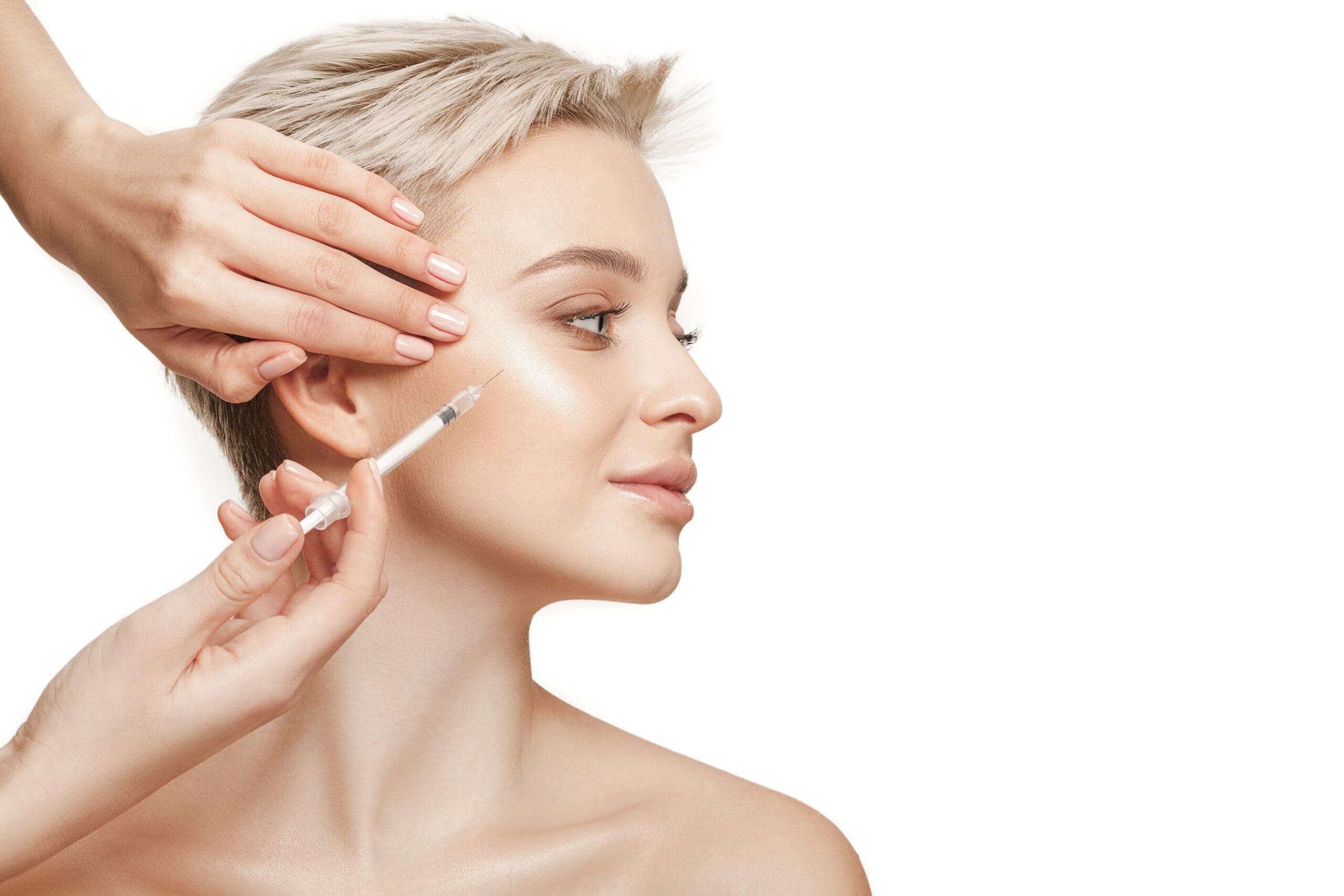
Skin Botox — also called micro-Botox or mesobotox — is heavily diluted botulinum toxin placed into the most superficial layer of the skin rather than into the muscle beneath it. It is aimed at texture, pore size and oiliness, not at softening expression lines. It is a prescription medicine, given by a doctor, in a short appointment with minimal downtime.
That single sentence about depth is the whole idea, and almost every misunderstanding about this treatment comes from missing it.
What is Skin Botox, in one paragraph?
It is the same class of medicine you already associate with the name, used a completely different way. Instead of a small number of units placed into a muscle, many tiny amounts of a heavily diluted preparation are placed across the surface of an area — cheeks, nose and forehead are the usual regions — with a very fine needle. Nothing is being switched off underneath. The product stays close to the surface, which is where pores, oil glands and the fine irregularity of skin texture live. Our full Skin Botox page sets out the assessment, the procedure and the aftercare in the same terms.
How is it different from regular Botox?
Depth and dilution. Those are the two variables, and changing them changes what the treatment does.
Regular Botox goes into the muscle, and it is used to reduce the expression lines that appear when that muscle moves. Skin Botox is heavily diluted and placed in the superficial skin, so it targets texture, pore appearance and oiliness instead.
So the two are not competing options for one problem. They answer different questions. If your complaint is a line that shows up when you frown or smile, that is a muscle-level conversation. If your complaint is how your skin looks in the first hour of the morning compared with the fifth, this is the treatment to ask about.
What does it actually change?
Three things, in the clinic's own description of it.
The surface looks smoother. Working in the superficial layer softens the fine surface irregularity that makes skin catch the light unevenly. That is mostly what people mean when they say their skin looks "better" in photographs without being able to name what changed.
Pores look smaller. Note the wording. Reducing activity in the tiny muscles and glands close to the surface can make pores appear less obvious, particularly across the cheeks and nose. It is a change in how visible they are, not a claim that the pores themselves have been permanently resized.
There is less mid-day shine. Many patients report their skin staying matte for longer through the day, and for a good number of them that is the actual reason they walked in — not lines, not ageing, just the fact that a face that looked fine at nine in the morning looks oily by one in the afternoon.
Will it change my expressions?
That is not what it is aiming at. The product is diluted and placed above the muscle layer, so the intent is a smoother skin surface with your expression unaffected. Because it sits above the muscle and is heavily diluted, the treatment is not aiming at — and should not produce — the frozen look people associate with full-strength injections into muscle.
This is the reassurance most people are looking for when they ask, and it is worth being precise about it: the reason expression is left alone is mechanical, not a matter of a lighter touch. The medicine is somewhere else.
What happens at the appointment?
Four stages, and the first one is the one that matters most.
- Skin assessment. The doctor examines pore size, oiliness and texture and confirms that superficial botulinum toxin is the right tool for what you want changed. This is also where you are told if it is not. Concerns such as scarring or pigmentation do not respond to this treatment, and a proper assessment says so rather than treating anyway.
- Preparation. The area is cleansed. A numbing cream can be applied if you would like one before the injections begin.
- Superficial placement. Many tiny amounts of the diluted product are placed across the treatment area in the most superficial layer of the skin, with a very fine needle. Most patients describe minimal discomfort or a slight stinging sensation.
- Aftercare and review. You are given written aftercare, and the result is reviewed once it has developed, so the plan can be adjusted for the next session if needed.
The appointment itself is short.
When will I see a result?
Changes generally show over the days after treatment and continue to improve gradually, rather than appearing all at once. Nobody walks out of the room looking different, and that is normal for this treatment rather than a sign something has gone wrong.
Downtime is minimal. Mild redness or slight swelling for a short while afterwards is the usual extent of it, and most patients return to their usual routine the same day.
What are the side effects?
Small, mostly short-lived, and worth reading before you book rather than after.
- Redness and mild swelling are common straight after treatment and generally settle within a day.
- Bruising at the injection points is possible, and more likely if you take blood-thinning medication. It usually clears within a few days.
- Temporary dryness or flaking — mild skin irritation that typically subsides within about a day.
It is also not suitable for everyone. The treatment is not advised during pregnancy or breastfeeding, over active acne, active herpes, severe eczema or psoriasis, for anyone prone to keloid scarring, or during chemotherapy.
How many sessions, and what does it cost?
Sessions vary with your skin and with what you want to change. Your doctor will give you a realistic number at consultation rather than a package figure decided in advance, and the review after your first session is part of how that number gets settled.
We do not publish a single price for Skin Botox, because the amount of product depends on the area being treated and on your skin, and a headline figure that ignores both would be misleading. The consultation is ₹500, waived off against treatment, and you get an actual quote at the end of it.
Is it the right treatment for me?
If your pores look large across your cheeks and nose however you cleanse, if your skin goes shiny within a couple of hours of getting ready, or if you want smoother-looking skin without your expressions changed, it is a reasonable thing to ask about.
If what is bothering you is laxity, dryness or a general loss of bounce, Profhilo works at a different level and may be the better conversation. If it is expression lines, that is standard Botox. And if it is scarring or pigmentation, it is neither.
The honest way to settle it is an assessment in person, where a doctor can look at your skin rather than at a description of it. You can book an appointment at either the Indiranagar or the Bellandur clinic.