
What Changes the Cost of Teeth Whitening in India
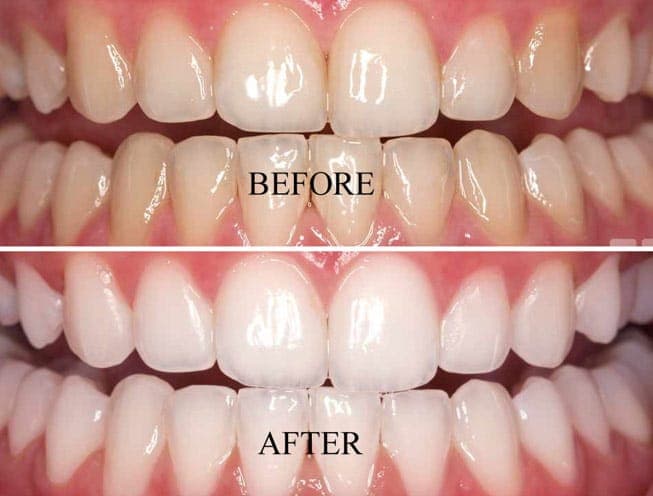
The price of teeth whitening is not one number. It moves with how much staining there is, whether you have one in-clinic session or two, whether take-home trays are part of the plan, and whether your teeth need a scaling and polishing first. Existing crowns or fillings can add cost later, because they do not bleach.
We have deliberately not published a national range on this page. Nobody can give you an honest all-India figure for a treatment this variable, and a range invented to fill the gap is worth less than no range at all. What we can do is explain every lever that moves the quote, so that when you are given one you can tell whether it is complete.
Why will a clinic not quote you a final price over the phone?
Because the plan is not knowable until someone has looked in your mouth. The first appointment is an examination of teeth and gums, identification of what caused the staining, and agreement on a realistic target shade — and each of those three things changes the quote. A price given before that is a guess dressed as a quote.
Consultation here is ₹500, waived off against treatment, which means the assessment costs you nothing if you go ahead. That structure exists precisely so the examination happens before the number does.
How much does the extent of staining change it?
A good deal, because it drives how many applications of gel are needed to reach the shade you agreed. Whitening works by the peroxide gel breaking down pigment that has worked into the enamel — the sort left by years of filter coffee, chai, tobacco and pigmented food. Light surface staining reaches its target quickly. Deep-set staining needs more exposure, and sometimes a second visit.
There is a harder version of this. Discolouration from tetracycline, fluorosis, trauma or a nerve that has died responds poorly or unevenly to external bleaching. Your dentist should tell you that at the assessment rather than after you have paid, and if it applies to you the conversation usually turns towards a smile makeover instead. That is a different treatment at a different cost, not a more expensive version of whitening. What is causing your particular discolouration can only be established by examination — it is not something to diagnose from a photograph or a search result.
Does in-clinic cost more than take-home?
Usually yes, and what you are paying for is control. In clinic, your gums are isolated and protected before any gel touches them, the strength is higher, and the exposure is timed and monitored by a dentist. That supervision is the reason a stronger agent is appropriate to use at all. Whitening here is performed by a dentist, always.
A dentist-supplied take-home system is the middle option: trays made for your mouth, a gentler gel, and instructions, spread over more days. It costs less per course and asks more of you in compliance. Which is appropriate depends on your staining, your sensitivity and your timeline, and it is a decision for the assessment.
Why is a cleaning appointment sometimes charged separately?
Because it is a separate treatment, and it usually has to happen first. The gel needs to contact clean enamel — a layer of plaque or calculus sitting over the tooth blocks it and gives you a patchy result. Scaling and polishing starts from ₹1,499 per treatment, and if you have not had a clean recently it is a realistic line to expect on the plan.
It is worth understanding what that appointment does and does not do. Scaling removes deposits and surface stain; it does not change the underlying shade of the enamel. Some patients are pleasantly surprised by how much brighter their teeth look after a clean alone and decide they do not need whitening at all, which is a perfectly good outcome and one a dentist will tell you about.
Do crowns and fillings change the cost?
They can, and this is the cost driver patients are least often warned about. Crowns, veneers and tooth-coloured fillings do not bleach. Whitening only affects natural enamel. If you have visible restorations in your smile line, lightening the teeth around them can leave them looking darker than everything else — and matching them then means replacing them.
That is not a hidden charge so much as a sequencing decision, and it belongs in the first conversation. Your dentist will discuss the order: often the whitening is done first and any restorations are replaced afterwards to match the new shade. If you have several visible crowns, the honest answer may be that whitening alone is not the right treatment for you.
Are supermarket strips and kits simply the cheap version?
Not quite — they are a different thing at a lower concentration, and it is worth being accurate about what they do rather than dismissing them.
A whitening toothpaste is mildly abrasive and works on surface stain. It can genuinely make teeth look cleaner, and for someone whose discolouration is mostly surface film it may be all they want. What it does not contain is enough active agent to change the underlying shade of the enamel, which is why patients who use one for months and expect a shade change are disappointed. Over-the- counter strips and kits do contain peroxide, at a lower concentration, without gum isolation and with a generic fit that does not match your teeth. They can produce a modest change over weeks; they can also give you uneven coverage and gum irritation where the gel sits on soft tissue.
The cost comparison people miss is that an over-the-counter kit used on teeth with untreated decay or exposed roots is not cheap at all. The risks with whitening come from unsupervised overuse and from bleaching teeth that have problems nobody has checked for. The examination is what separates the two situations.
Does the city change the price?
Overheads differ between cities and between neighbourhoods within a city, so quotes do vary. It is a weaker lever than most people assume, though — the extent of your staining, the method and the state of your existing dental work move the number far more than your pin code does. Chasing a lower quote across town is rarely worth it if the cheaper plan is quietly leaving out the cleaning appointment or the follow-up visit.
What should a quote actually tell you?
Ask for it in writing and check that it names five things: how many in-clinic visits are included, whether a scaling and polishing is part of it or billed separately, what happens if the agreed shade is not reached in one session, whether any take-home component is included, and what the plan is for existing crowns or fillings.
Ask about the cost of keeping it, too. The result usually lasts several months to a few years, and it depends heavily on diet, smoking and oral hygiene — heavy tea, coffee or tobacco use will shorten it considerably. Maintenance is generally good hygiene plus periodic cleaning rather than repeat bleaching.
You can read the full protocol on the teeth whitening page. To get a plan and a number that apply to your teeth rather than to an average, book an appointment at Indiranagar or Bellandur.