
What Changes the Cost of Radio Frequency Cautery in India
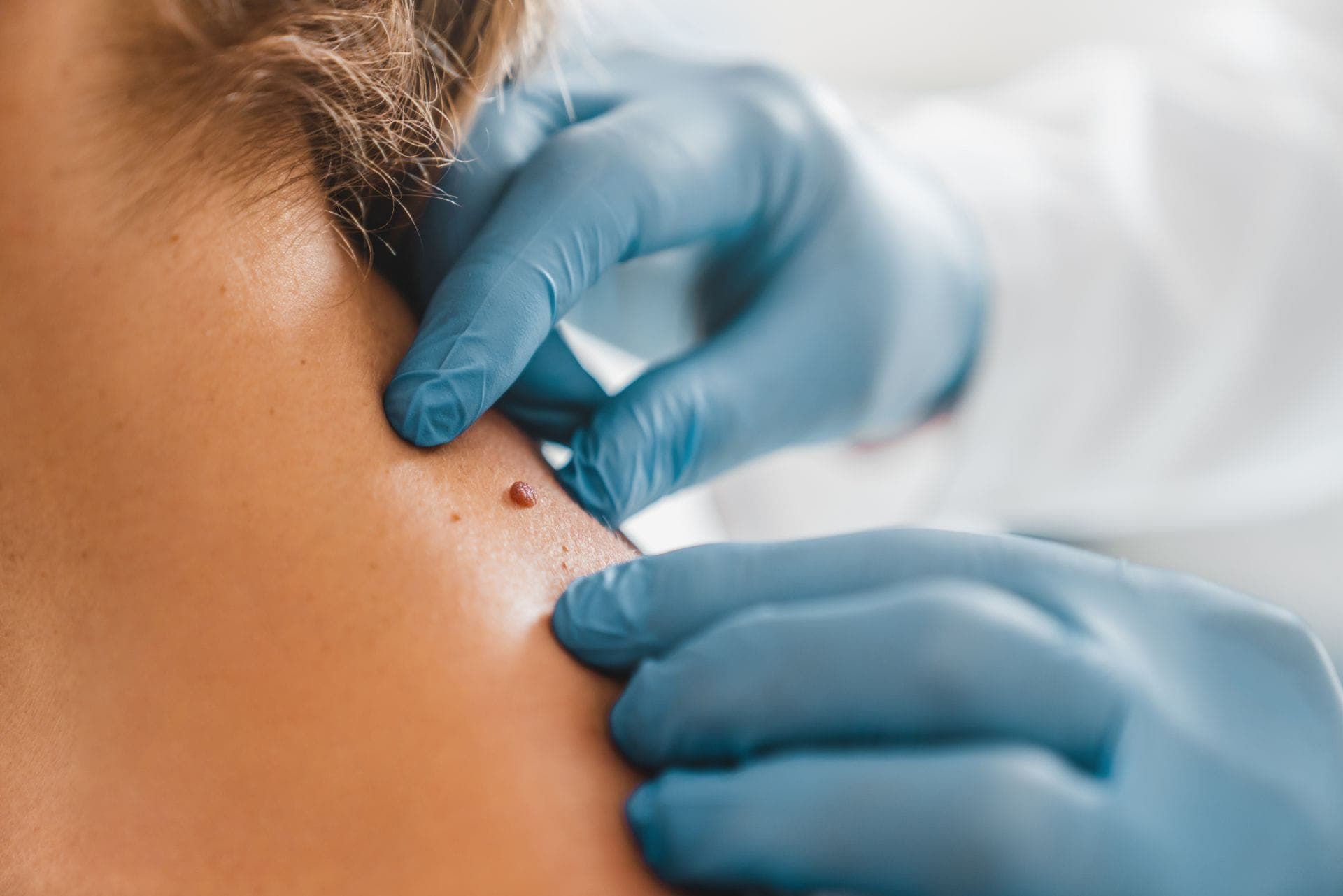
The number and size of the growths being removed is what moves the price of radiofrequency cautery more than anything else. Each lesion takes only minutes, so the work is counted lesion by lesion rather than by the hour — one skin tag and a dozen scattered across the neck are different pieces of work. Everything else adjusts around that.
That is why nobody can quote you a figure over the phone from a description, and why a national "average price" for radiofrequency cautery is close to meaningless. What follows is the honest mechanism: the things that genuinely change the number, in roughly the order they matter.
Why does the number of lesions matter most?
Because cautery is not a treatment applied to a region of skin — it is applied to each growth individually. A fine electrode delivers high-frequency energy to the lesion itself, removing it in layers down to the level of the surrounding skin. A skin tag on the neck and a raised mole on the cheek are two separate pieces of work even though they happen in the same appointment.
The practical consequence is a good one for patients: because each lesion takes only minutes, a scattering of skin tags or milia can usually be dealt with in a single visit rather than spread across several. That is a convenience, not a discount mechanism, and it is worth arriving with a clear idea of everything you want assessed rather than dealing with them one at a time over months.
Size and site matter within that. A larger growth takes longer to work down and is treated more carefully. A lesion on the face is approached more conservatively than one on the trunk, because the priority there is disturbing as little of the surrounding skin as possible.
Does the type of growth change the price?
It changes the likely number of visits, which comes to the same thing.
Radiofrequency cautery suits small, superficial growths — skin tags, warts, raised moles, milia and similar lesions. The usual pattern is one visit per lesion, and some need a second. Warts are the clearest example: they recur more often than the others and sometimes need a second session. Skin tags and moles removed properly usually do not return at that site, though new ones can appear elsewhere, and that is worth knowing before you budget for a one-off.
So when you are comparing quotes, ask what happens if a lesion recurs — a figure that covers the first visit only is not comparable with one that anticipates a second.
What if the mole needs investigating first?
This is the cost driver patients rarely anticipate, and the one worth taking seriously.
Any growth being removed should be examined properly before it is treated. A mole with irregular features should be investigated rather than simply removed, because cautery does not leave an intact sample to send for testing. If yours needs that, you will be told so and referred — which changes the plan, the timeline and the cost, and is the correct outcome rather than a setback.
This is the part of the price that is not really about the removal at all. It is the reason this is a medical procedure carried out by a doctor rather than a cosmetic one, and it is precisely what a salon cannot provide at any price.
Does who performs it change the cost?
Yes, and it is the difference you are actually paying for. At The Aesthetic Edge every lesion is examined by a doctor, who confirms whether it can be removed this way or whether it needs investigating first, and the removal itself is doctor-performed under local anaesthetic. Comparing that figure with a non-medical alternative is not comparing like with like, because the assessment step is missing from one of them.
Your own medical history can also change the plan and therefore the quote. Tell your doctor if you have a pacemaker or other implanted electronic device, take blood-thinning medication, are pregnant, have an active infection at the site, or scar heavily. Any of these changes how — or whether — the procedure goes ahead on the day.
Does the city make a difference?
Metro clinics carry higher overheads than smaller centres, and that shows up in what any procedure costs across India. It is a real factor and a small one next to the two above: a clinic in one city with three lesions to treat and a clinic in another with one are not being compared on rent, they are being compared on different amounts of work.
The more useful comparison is like-for-like. Ask any clinic how many lesions the figure covers, whether the examination is included, whether local anaesthetic and aftercare ointment are included, and what a second session would cost if one is needed. Those four questions turn two numbers into a comparison.
What is included, and what is not?
At our clinics, the procedure itself covers the examination, cleansing and numbing of the area — either an applied cream or an injection, depending on the lesion — the removal, and the aftercare instructions and ointment you go home with. The site is reviewed at follow-up.
What sits outside it is anything the examination turns up that needs a different route, such as a lesion that should be investigated rather than cauterised. And it does not include the things that quietly protect your result: sun protection while the area heals matters, because healed skin can look pink, or darker than the surrounding skin, for some weeks — more commonly on deeper skin tones.
Worth separating out, since patients occasionally search for both in the same breath: having a cosmetic mark placed is a different procedure with its own pricing — see beauty spot — as is semi-permanent makeup. Removal and placement are not variations of one price.
What does it cost at The Aesthetic Edge?
Our starting figure is Skin Tag Removal from ₹499. What your own treatment comes to depends on the number, size and type of lesions a doctor finds when they look, which is why the figure is confirmed after examination rather than quoted in advance.
The consultation is ₹500, waived against treatment. If you go ahead, that is ₹500 you are not paying twice; if the examination concludes a lesion should be investigated instead, you have had a doctor's assessment of something you were going to have removed regardless — which is the more valuable outcome of the two.
Before you book
Bring a list, or photographs on your phone, of everything you want looked at, including the ones you were not planning to treat. It costs nothing to have them examined in the same visit and it is the only way to get a figure that covers what you actually want done.
After treatment, expect redness, scabbing and mild swelling at each treated point; the scab usually separates over one to two weeks. Leaving it alone makes the biggest difference to how the skin looks afterwards. Contact the clinic rather than waiting if you notice increasing pain, spreading redness or discharge, and mention any history of keloid or hypertrophic scarring before treatment rather than after.
Book an appointment and a doctor will examine what you have, tell you what can be removed this way, and give you a figure for your own lesions rather than for someone else's.