
Radio Frequency Cautery in Bangalore
Radiofrequency cautery removes small skin growths — skin tags, warts, moles, milia and similar lesions — using a fine electrode that delivers high-frequency energy to the lesion itself. It is a precise, in-clinic procedure performed under local anaesthetic by a doctor.
Is this you?
What it does for you
Precise, lesion-by-lesion removal
The energy is delivered through a fine electrode directly at the lesion, so surrounding skin is disturbed as little as possible — which matters most on the face.
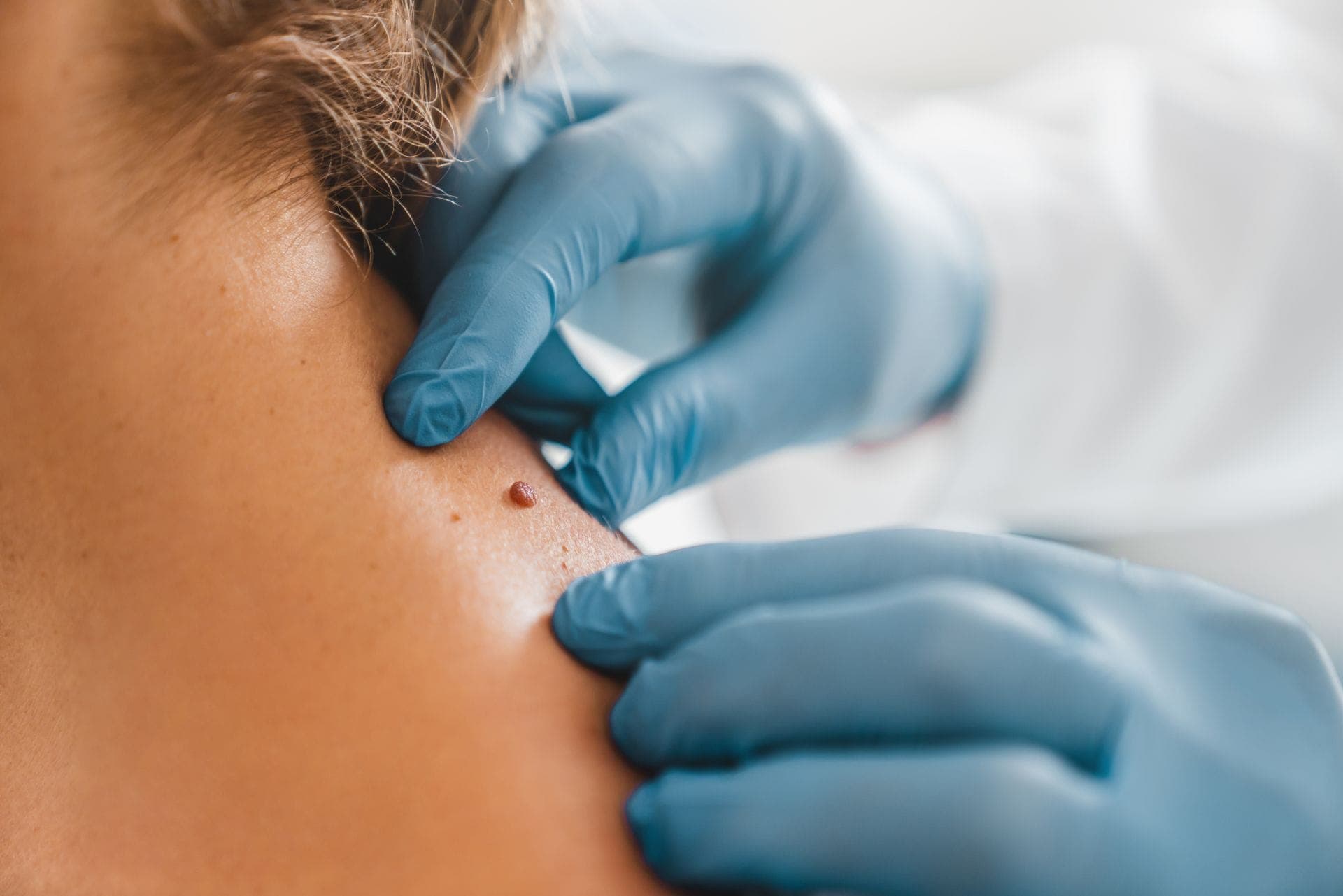
A doctor examines the lesion first
Any growth that is being removed should be looked at properly before it is treated. That assessment is the part a salon cannot provide, and it is the reason this is a medical procedure rather than a cosmetic one.
Several lesions in a single visit
Each lesion takes only minutes, so a scattering of skin tags or milia can usually be dealt with in one appointment.
Controlled bleeding at the site
Radiofrequency seals as it works, which keeps the field clean and is why it suits small, superficial lesions well.
Short recovery
A small scab forms and typically separates over one to two weeks. There are no stitches to remove for most lesions treated this way.
How the treatment works
Examination
Each lesion is examined by a doctor, who confirms whether it can be removed this way or whether it needs investigating first.
Local anaesthetic
The area is cleansed and numbed, either with an applied cream or an injection depending on the lesion.
Removal
A fine electrode removes the lesion in layers, working down to the level of the surrounding skin.
Healing and review
Aftercare and ointment are provided. The scab separates over one to two weeks and the site is reviewed at follow-up.
See the Treatment in Action
Get Rid of Unwanted Skin Tags
A real removal session
Side effects, honestly
Most patients experience none of these. Some patients, in rare cases, may notice the following — listed because you deserve the full picture before you decide.
Redness, scabbing and mild swelling
Expected at each treated point and part of normal healing. The scab usually separates over one to two weeks.
Temporary colour change
The healed skin can look pink, or darker than the surrounding skin, for some weeks. This is more common on deeper skin tones and is why sun protection during healing matters.
Scarring
A small mark is possible, particularly if a scab is picked or if you are prone to keloid or hypertrophic scars. Tell your doctor about any history of these before treatment.
Recurrence
Some lesions, particularly warts, can return and need a second treatment.
Infection
Uncommon with proper aftercare. Report increasing pain, spreading redness or discharge rather than waiting.
About this treatment
The equipment matters less here than the examination that comes first. Removing a skin tag is straightforward; deciding that the thing in front of you is a skin tag is the part that needs a doctor.
Questions patients ask
What can be removed with radiofrequency cautery?
Does it hurt?
Will it leave a mark?
How long does the appointment take?
Is a mole safe to remove this way?
Can it come back?
Who should not have this treatment?
Related at The Aesthetic Edge
Get a doctor's read before you decide anything
₹500 consultation, waived off against your treatment. Indiranagar or Bellandur — closed Wednesdays.
General information, not medical advice — your treatment is decided at an in-person consultation. Terms & Conditions