
What Changes the Cost of Lipolytic Injections in India
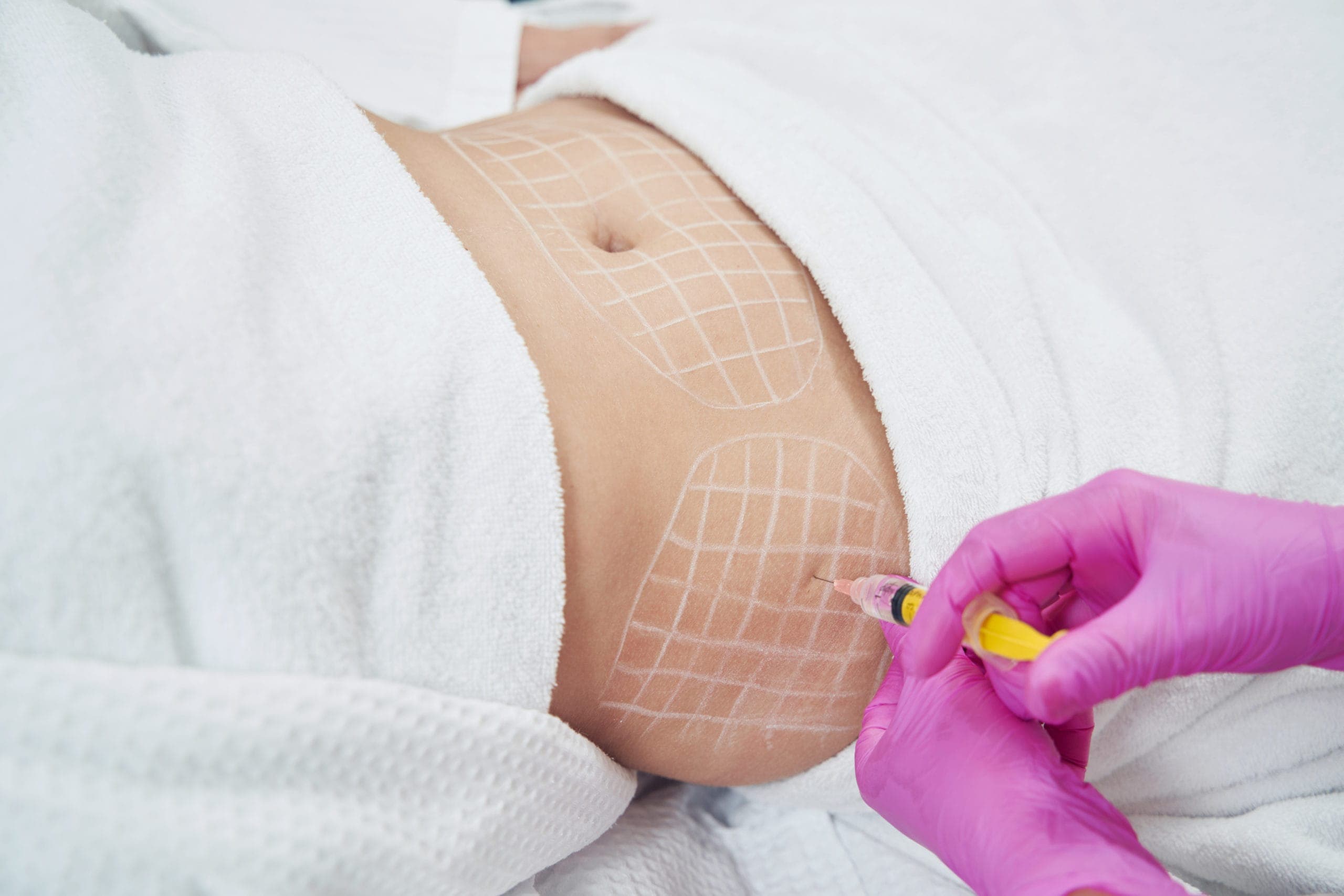
The single largest thing that moves the cost of lipolytic injections is the area being treated — how big the pocket of fat is, and therefore how many sessions it realistically needs. Everything else, from who injects to which city you are in, sits on top of that. The Aesthetic Edge does not publish a figure for this treatment: it is quoted at consultation, which is ₹500, waived against treatment.
Why does the area matter more than anything else?
Because the agent is injected into the pocket of fat being treated, spread across multiple points, and a larger marked-out area simply takes more of it. This is not a treatment where one appointment costs the same whatever you bring to it. The area under the chin is a different proposition from a stubborn pocket somewhere on the body, and the two will not be quoted alike.
It also explains why "what does it cost in India" is a question nobody can answer honestly in one number. Two people can walk into the same clinic on the same day, have the same treatment, and be quoted very differently — because they are buying different amounts of it. Any figure you read online is describing somebody else's area.
The practical consequence is that the useful comparison between clinics is not their per-session rate in isolation. It is the per-session rate and the number of sessions they think your area needs, together. A lower rate attached to a longer course is not automatically cheaper, and the reverse is just as true.
How many sessions am I actually paying for?
A course is usual for lipolytic injections, and the number is set at consultation according to the size of the area and how you respond to the first sessions. That second half is the part that surprises people. The plan is reviewed between sessions and adjusted to your response rather than run to a fixed script, which means the honest answer at the outset is a realistic estimate rather than a fixed total.
That has a direct bearing on how you should read a quote. If a clinic hands you a single all-in package number before anyone has examined the area, they have either made an assumption about your response or they are pricing to protect themselves against being wrong. Neither is a good sign. What you want is a doctor telling you how many sessions the area realistically needs and what result to expect, before you commit to the first one — and revising that honestly as you go.
The corollary is worth stating plainly: budget for a course, not for an appointment. The area swells first and then settles, so early on it can look larger rather than smaller. Real change accumulates over weeks across a course rather than after one session. Someone who budgets for one session and stops there has bought part of a treatment.
Why does the clinic not publish a price for this?
Because a published figure would have to be attached to an area, and we do not know yours yet. Our site publishes starting prices for treatments where a starting figure means something — where a session or a treatment is a comparable unit. For lipolytic injections the unit that matters is the area, and quoting a number without one would be quoting a number that misleads roughly half the people who read it.
What we can tell you before you come in is the consultation fee, which is ₹500 and waived against treatment if you go ahead. The treatment quote comes after the area has been examined.
Does it matter who does the injecting?
Yes, and it is one of the more defensible reasons for a price difference between clinics. This treatment involves an agent placed into tissue at multiple points across a marked area, with a full medical history taken beforehand — it is not advised during pregnancy or breastfeeding, with an infection at the site, or with certain medical conditions. Someone has to make those calls and be answerable for them.
It also matters afterwards. The area can feel firm or uneven for some weeks as it settles, and temporary altered sensation can occur, particularly under the chin. The instruction in that situation is to tell your doctor rather than massaging it yourself — which presupposes there is a doctor to tell, who saw the area before treatment and will see it at review. A quote that includes the follow-up review and one that does not are not the same product at the same price.
Why doesn't a friend's quote in another city help me?
Because it is answering a different question from yours. Rent, staffing and demand do differ between a metro and a smaller city, and clinic overheads follow — but that variation is usually much smaller than the variation caused by the size of the area and the session count. Their quote describes their pocket of fat, not yours, and the gap between the two areas will almost always outweigh the gap between the two cities.
Within Bangalore, the more useful question is what the difference in price between two clinics is actually buying: consultation with a doctor, review appointments between sessions, and an honest revision of the plan if you are responding faster or slower than expected.
What should a quote include before I say yes?
Ask for these in writing, or at least ask them out loud:
- The area being treated, marked and agreed, rather than described loosely.
- The number of sessions the doctor thinks that area needs, and what happens to the price if it turns out to need fewer or more.
- Whether review appointments between sessions are included.
- Whether the consultation fee is adjusted against the treatment.
- What is expected in the days after each session, so you can plan around swelling, tenderness and bruising rather than being surprised by them.
Is there a cheaper way to treat the same thing?
Sometimes, but not always the way people assume — a different treatment is not a discount on this one, it is a different treatment with a different price and a different fit. Cool sculpting works through an applicator resting on the surface of the skin, and Evolve skin tightening uses hands-free applicators strapped to the area with modes for skin, muscle and localised fat. Both are priced on their own terms.
Injections tend to earn their place on small areas that a surface applicator handles awkwardly, such as under the chin and along the jaw. A larger, flatter area, or a case where loose skin is as much of the picture as the fat, may be better served by something else — and that is a clinical judgement about fit, made looking at the actual area, not a way of finding a lower number.
One thing that will not save you money: treating this as a weight-loss treatment. It reduces fat in a small defined area and does not change your weight. Paying for a course while expecting the scale to move is the most expensive misunderstanding in this category.
Getting a number that means something
The only way to get a real number is to have the area looked at. A consultation at The Aesthetic Edge is ₹500 and is waived against treatment, and it is where the area is examined, a realistic session count is agreed, and you find out whether this is even the right treatment for what is bothering you. You can book an appointment at either branch.