
Teeth Whitening for New Mothers: Timing, breastfeeding and what to postpone
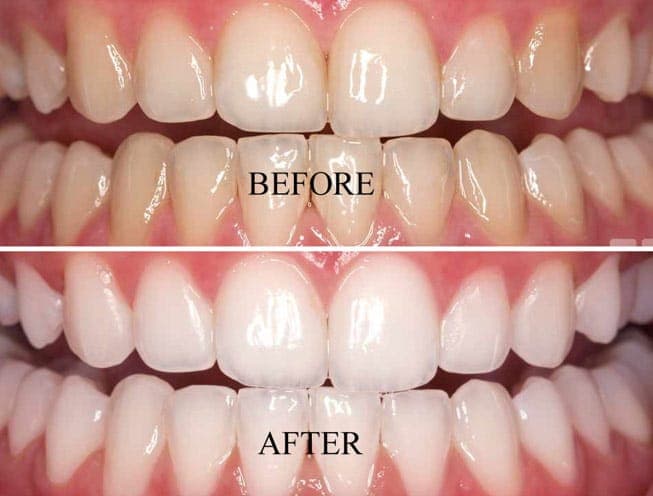
Elective cosmetic whitening is generally postponed during pregnancy and while you are breastfeeding. Tell your dentist where you are and the appointment can be planned for later. That is the short answer. The more useful part is what to do with the months in between, and which of the things bothering you are worth being examined for now rather than waited out.
So when can I actually have it done?
That date is set by the dentist who examines you, not by anything you can read off a page — including this one. What the clinic documents is the postponement itself and the instruction that goes with it: say where you are, so the appointment is planned rather than assumed. How soon after that is a conversation to have at a consultation, with somebody who knows your teeth and your circumstances.
The practical version of this is a single sentence at the start of your appointment rather than at the end of it. "I am six weeks postpartum and I am breastfeeding" belongs in the first thing you say, before the discussion about shade, because it changes what the rest of the appointment is for. A plan built on that from the outset is a plan; the same information volunteered at the door is a plan that has to be redone.
Can I still be seen for anything now?
Book the consultation and ask, rather than deciding from an article. Whether a cleaning appointment, an X-ray or a filling that has been waiting since before the baby is better done now or later is a clinical judgement about you, and it is genuinely not something this page can answer for you — what is documented here is the position on cosmetic whitening specifically, not a general schedule for everything else.
What is worth saying is that being seen and being treated are different things. An examination establishes what is going on. It does not commit you to anything, and it converts a vague worry you have been carrying since the second trimester into a plan with a date on it.
My gums have been sore since the baby arrived. Is that a whitening problem?
No, and it is a reason to be examined rather than a reason to whiten. Sore or bleeding gums have causes that only an examination can establish, and working out which one applies to you is not something to attempt from a search result at two in the morning.
It matters here for a specific reason. Bleaching over untreated decay, a crack or an exposed root causes real pain, which is why the pre-treatment examination exists and why it is not a formality. Anything that is already sore is information the dentist needs before whitening is planned at all, and it may well be the thing that gets attended to first.
The staining looks worse than it did before. Why?
Possibly for reasons that have nothing to do with pregnancy, which is precisely why guessing is a poor use of your energy. The whitening gel lifts pigment left by tea, coffee, tobacco and pigmented foods — the staining that sits in and on the enamel and that a toothbrush does not shift. That kind responds well.
Other kinds do not. Discolouration from tetracycline, from fluorosis, from an old injury or from a tooth whose nerve has died responds poorly or unevenly to external bleaching, and your dentist will tell you which category you are in at assessment rather than afterwards. It is one examination and it saves you months of wondering.
There is also a cheerful possibility worth holding on to: a fair share of what people want whitened turns out to be deposit on the tooth rather than colour in it. Scaling and polishing removes plaque and hardened tartar and polishes off surface discolouration left by tea, coffee and pigmented foods, and it is the appointment that comes before whitening anyway.
What will the whitening itself involve when the time comes?
Less than you are probably picturing, which is the reassuring part when your diary is being run by somebody who is four months old.
There is an assessment, where your teeth and gums are examined, the cause of the staining is identified and a realistic target shade is agreed with you. There is a cleaning appointment first, so the gel meets clean enamel. Then the whitening itself is usually one in-clinic session and sometimes two, with the gums isolated and protected before any gel is applied and the exposure timed and monitored. That control is the actual difference between this and a kit bought over the counter.
Afterwards there is no downtime. Strongly staining food and drink are avoided for a couple of days, and teeth may react to cold for a day or two. Nothing is drilled and no enamel is removed, so there is no recovery to organise childcare around.
Will it be worth it, given how I am living at the moment?
A result lasts several months to a few years, and where you land in that range depends heavily on diet, smoking and oral hygiene. Broken sleep and a great deal more chai than you used to drink will shorten it. That is worth knowing rather than worth worrying about — it is an argument for asking, at your appointment, what maintenance would look like for the way you are actually living, not an argument against doing it.
If several things bother you at once — the colour, plus a chip, plus old dental work that has never quite matched — say so at the consultation. That is the point at which a planned smile makeover becomes the more sensible conversation, because it sequences a set of treatments deliberately instead of tackling them one at a time over years. It is also a plan that runs over weeks to months, so knowing early is worth a great deal.
One thing to check before you commit to a shade
Crowns, veneers and tooth-coloured fillings do not bleach. They were colour matched to your teeth on the day they were made and they stay exactly where they are while the natural enamel around them lightens, so a restoration in the smile line can end up looking darker than its neighbours. Your dentist will discuss sequencing at assessment — often the restoration is replaced afterwards to match the new shade. Raising it early is what stops you paying for the same crown twice.
When to contact the clinic rather than wait
If you have had whitening, sensitivity to cold for a day or two is the most common effect and usually settles on its own, with a desensitising toothpaste helping. Brief gum soreness, or a whitened patch at the gum margin where gel has touched soft tissue, settles quickly too.
Contact the clinic rather than waiting it out if sensitivity is still there after several days or is getting worse, if gum soreness has not settled, if one tooth is sharply painful, or if anything is interfering with eating or sleeping. The same goes at any stage, whitening or not, for gums that are bleeding or sore enough to worry you. Do not try to work out the cause yourself — ring Indiranagar or Bellandur, describe what you are noticing, and let the clinic decide whether you need to be seen.
What it costs
The consultation is ₹500, waived off against treatment. The treatment figure comes after the examination, because what it depends on is individual: how many sessions are needed to reach the shade you agreed, whether a cleaning appointment comes first, and whether any existing dental work will need replacing to match.
If the timing question is the one holding you up, the consultation is the place it gets answered properly. Read what the treatment involves, then book an appointment at Indiranagar or Bellandur and lead with where you are — everything after that is planned around it.