
Skin Botox for Your Twenties: Starting early without over-treating
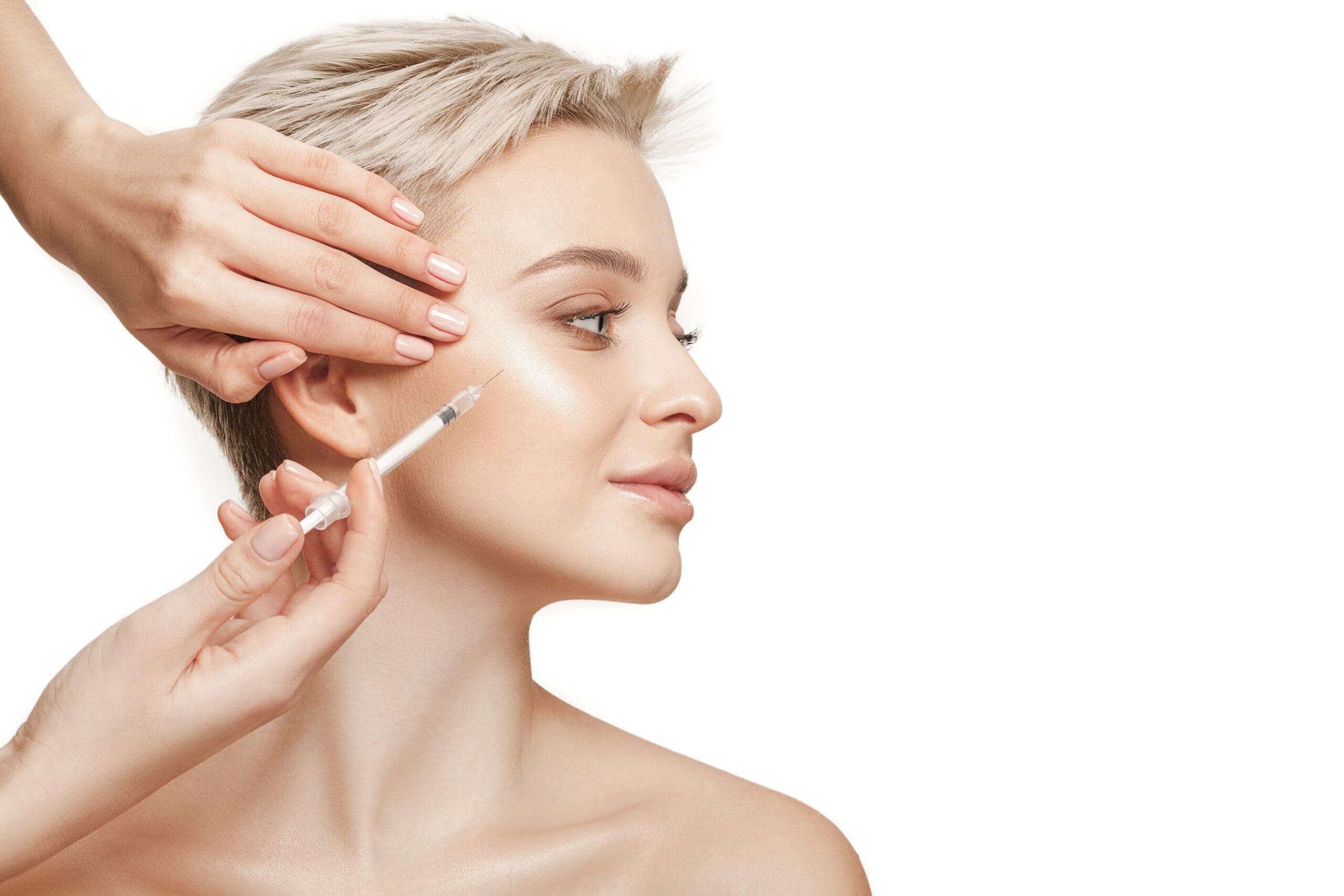
There is no clinical case, in anything this clinic documents, for having Skin Botox in your twenties to prevent something later. It addresses texture, pore appearance and oiliness now, or it addresses nothing. So the only honest question is whether you have a complaint today that it treats — and whether the simpler answers have been tried first.
This article deliberately does not push you towards a treatment. Botulinum toxin is a prescription medicine; a person in their twenties who is doing perfectly well without one is not a problem to be solved, and nothing here suggests your skin needs fixing.
Does starting young prevent anything?
Not in the way the phrase is usually meant, and it is worth understanding why. The "start early" argument you have read about belongs to standard Botox, which is placed into muscle to reduce the contraction that creases the skin above it. Whether early muscle-level treatment changes anything in the long run is a debate for that treatment, not this one.
Skin Botox is a different depth and a different dilution. It sits above the muscle layer, and the clinic's own description of it is explicit that the aim is texture, pore size and oiliness rather than the softening of expression lines. Take away the lines argument and there is nothing left for prevention to hang on. So if the reason you are considering it is "I should get ahead of ageing", that reasoning does not transfer to this treatment, and you would be paying for something on the basis of a benefit it does not claim.
What would be a genuine reason to have it at 24?
A complaint you actually have, right now, that this treatment targets. The clinic's own list of who it is for is short and specific: pores that look large across the cheeks and nose however you cleanse; skin that goes shiny within a couple of hours of getting ready; wanting a smoother-looking surface without your expressions changing.
If you read that and recognised yourself, the treatment is at least the right category. Those complaints do not become more legitimate at 35 than at 25, and shine that ruins your face by lunchtime is a real thing to want changed rather than a vanity to apologise for.
If you read it and thought "not quite, mine is more about marks left after breakouts", stop there. Scarring and pigmentation do not respond to this treatment — the clinic says so plainly, and checking which of the two you actually have is the first thing the doctor does at the assessment.
What is the serious case for waiting?
There are four parts to it, and none of them is a scare story.
You may not have exhausted the cheaper answers. Oiliness and pore appearance respond to a lot of ordinary things — a routine that suits your skin, a sunscreen you will actually wear, treating breakouts properly rather than sporadically. An injectable that costs money every time is a strange first move when a basic regimen has not been given a fair run.
It is not one-and-done. Nothing in the clinic's documentation describes this as permanent. Results build over the days after a session and improve gradually, the plan is reviewed, and how many sessions you need varies with your skin. If you start at 24, you are starting something with a recurring cost and no defined end point. That is a budgeting decision as much as a medical one, and it deserves to be made with your eyes open.
Your skin in your twenties is still changing. Oiliness in particular is not static across a decade. Something that is a genuine complaint at 23 may be a smaller one at 27 without any intervention at all.
Over-treating is a real failure mode. The way people end up looking over-treated is not usually one bad session — it is a pattern of always having one more thing booked. Starting the pattern in your twenties gives it a very long time to run.
What is the case for going ahead anyway?
That a complaint you have today is a complaint today, and postponing it for a decade on principle is not obviously wiser than treating it. If shine at 2pm is genuinely affecting how you feel at work, "wait until you are older" is not an answer, it is a deferral.
The sensible middle position is the one the clinic's own process already builds in. Have the assessment. Let the doctor look at pore size, oiliness and texture and tell you whether superficial botulinum toxin is the right tool for what you want changed. Then have one session rather than a course, and see the result reviewed once it has developed before committing to more. The clinic's stated approach is that the doctor gives you a realistic number at consultation instead of a package figure decided in advance — hold them to that, and hold yourself to it too.
What should I know about cost and about being ruled out?
There is no single published price for Skin Botox, because the cost depends on the area treated, how many placement points your skin needs and how many sessions are planned. Standard Botox is quoted from ₹299 per unit — a per-unit rate, not the price of a treatment, since a course uses many units. The consultation is ₹500, waived off against treatment, and it is where you get a real figure.
Some people are not candidates at all. The treatment is not advised during pregnancy or breastfeeding, over active acne, active herpes, severe eczema or psoriasis, for those prone to keloid scarring, or during chemotherapy. Active acne rules out a good number of people in their twenties, and being told to settle that first is a reasonable clinical answer rather than a brush-off.
What happens afterwards, and when should I call?
Downtime is minimal. Mild redness or swelling generally settles within a day, temporary dryness or flaking typically within about a day, and bruising at the injection points usually clears within a few days. Most patients carry on with their day.
If something has not settled inside the window you were given, is getting worse rather than easing, or is not something your aftercare mentioned, contact the clinic and let them look. Do not sit and assess it yourself — you are not the right person to judge it, and the clinic would rather check.
Where should I take this next?
To a consultation, with the complaint rather than the treatment name. If your concern turns out to be dryness and lost bounce rather than shine, Profhilo is a different conversation entirely. If it is texture and oil, read what Skin Botox does and does not do, then book an appointment at Indiranagar or Bellandur — and treat "not yet" as a perfectly good outcome.