
Skin Botox for Men: What men ask that the marketing never addresses
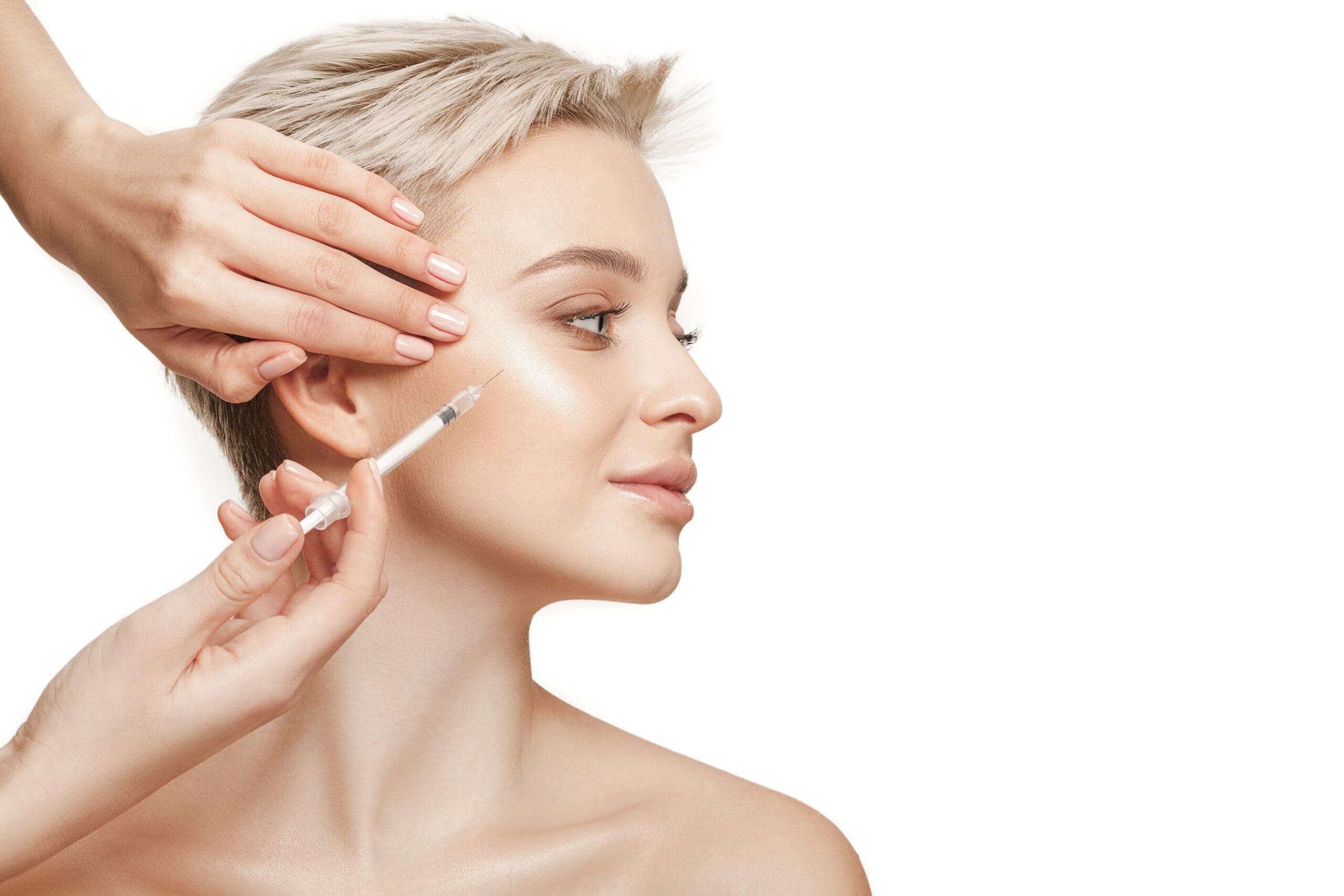
Skin Botox for men is the same procedure it is for anyone: heavily diluted botulinum toxin placed into the surface layer of the skin, aimed at pore appearance, texture and mid-day shine rather than at expression lines. Nothing in the protocol changes by sex. What tends to change is the set of questions men arrive with, and most of them are practical.
Botulinum toxin is a prescription medicine. It is not a facial, it is not a cosmetic you buy, and the honest version of this article involves telling you what can go wrong as well as what it does. Nothing below diagnoses your skin or decides anything for you — that happens in person.
Will anyone be able to tell I have had something done?
The treatment is not aiming at the thing people usually mean by "you can tell". The product is heavily diluted and sits above the muscle layer, so it is not targeting the muscles that create your expressions and should not produce the frozen look associated with full-strength injections into muscle. That is the distinction between this and standard Botox, which is placed into muscle deliberately.
What people may notice, if the treatment does what it is meant to, is that your skin looks less shiny by the afternoon and the surface catches light more evenly. That is a different kind of visible. Whether it reads as "done" or just as a decent week of sleep is a fair thing to raise at the assessment, because the doctor is the person who can look at your skin and tell you what is realistic to expect from it.
Does it change how my face moves?
No, that is not what it is for. Standard Botox works by temporarily reducing the contraction of specific facial muscles, which is why it softens forehead lines, frown lines and crow's feet. Skin Botox is a different depth and a different dilution — the point of placing it superficially is that the muscle layer is not the target.
If your actual complaint is a line that appears when you raise your brows or squint, then this is the wrong treatment for it and you should say so at the consultation. The doctor's job at that first appointment is precisely to work out which one you need, and the two are not interchangeable.
What does the appointment actually involve?
Four steps, and it is short. The doctor examines your pore size, oiliness and texture, and confirms that superficial botulinum toxin is the right tool for what you want changed. The area is cleansed, and a numbing cream can be applied first if you want one. Then many tiny amounts of the diluted product are placed across the treatment area in the most superficial layer of the skin, with a very fine needle. You are given written aftercare, and the result is reviewed once it has developed so the plan can be adjusted for the next session if needed.
Most patients describe minimal discomfort or a slight stinging sensation rather than pain. The needle is very fine.
How much time do I lose?
Very little. Mild redness or swelling is normal, usually settles quickly, and most patients go back to their usual routine the same day. That is the whole downtime picture the clinic documents.
The caveat worth knowing before you book a session on a Thursday for a Friday event is bruising. Bruising at the injection points is possible, more likely if you take blood-thinning medication, and usually clears within a few days rather than within hours. Some patients also get temporary dryness or mild flaking, which typically subsides within about a day. So the treatment does not stop you working — but if there is a fixed date you cannot look marked up for, leave a sensible gap and say so when you book.
When do I see anything?
Over the days after treatment, and it keeps improving gradually rather than appearing all at once. There is no moment where you walk out changed.
How many sessions you will need varies with your skin and what you want to change. The clinic's position is that the doctor gives you a realistic number at consultation rather than selling you a package figure decided in advance, and that the result is reviewed once it has developed so the plan can be adjusted. If you want a number before you have been examined, nobody can honestly give you one.
Is there anything that rules me out?
Yes, and it is worth reading before you book. This treatment is not advised during pregnancy or breastfeeding, over active acne, active herpes, severe eczema or psoriasis, for those prone to keloid scarring, or during chemotherapy. Tell the doctor about all your medication, including anything blood-thinning, because it changes the bruising picture.
If your skin concern is scarring or pigmentation rather than texture and oil control, this treatment does not address it. That is one of the things the assessment exists to separate out, and it is a reason some men are told at consultation that a different treatment — or none — is the sensible answer.
What should make me ring the clinic afterwards?
Anything that is not settling on the timeline you were given. Redness and mild swelling generally settle within a day; flaking typically subsides within about a day; bruising usually clears within a few days. If something is still there well beyond that, is getting worse rather than better, or is simply not what you were told to expect, contact the clinic and let them look at it. Do not sit at home trying to work out what it means from a search engine — that is not a judgement you should be making about yourself, and the clinic would far rather see you than not.
What does it cost?
There is no single published figure for Skin Botox, and there is a reason for that. This is a botulinum toxin treatment: the cost depends on how much area is being treated, the dilution and number of placement points your skin needs, and how many sessions the doctor plans. Standard Botox is quoted from ₹299 per unit, which is a per-unit rate and not the price of a treatment — a course runs to many units.
The consultation is ₹500, waived off against treatment. That appointment is where you get a real number for your own face.
Where does this sit against the alternatives?
If your complaint is expression lines, that is Botox. If it is skin that has lost bounce and looks dry or crepey rather than shiny, Profhilo works on skin quality and firmness instead. If it is pores, texture and shine, Skin Botox is the one to ask about.
Bring the complaint, not the treatment name. If you want to talk it through, book an appointment at either the Indiranagar or Bellandur clinic and have someone look at your skin properly first.