
Skin Botox on Indian Skin: What Changes and Why It Matters
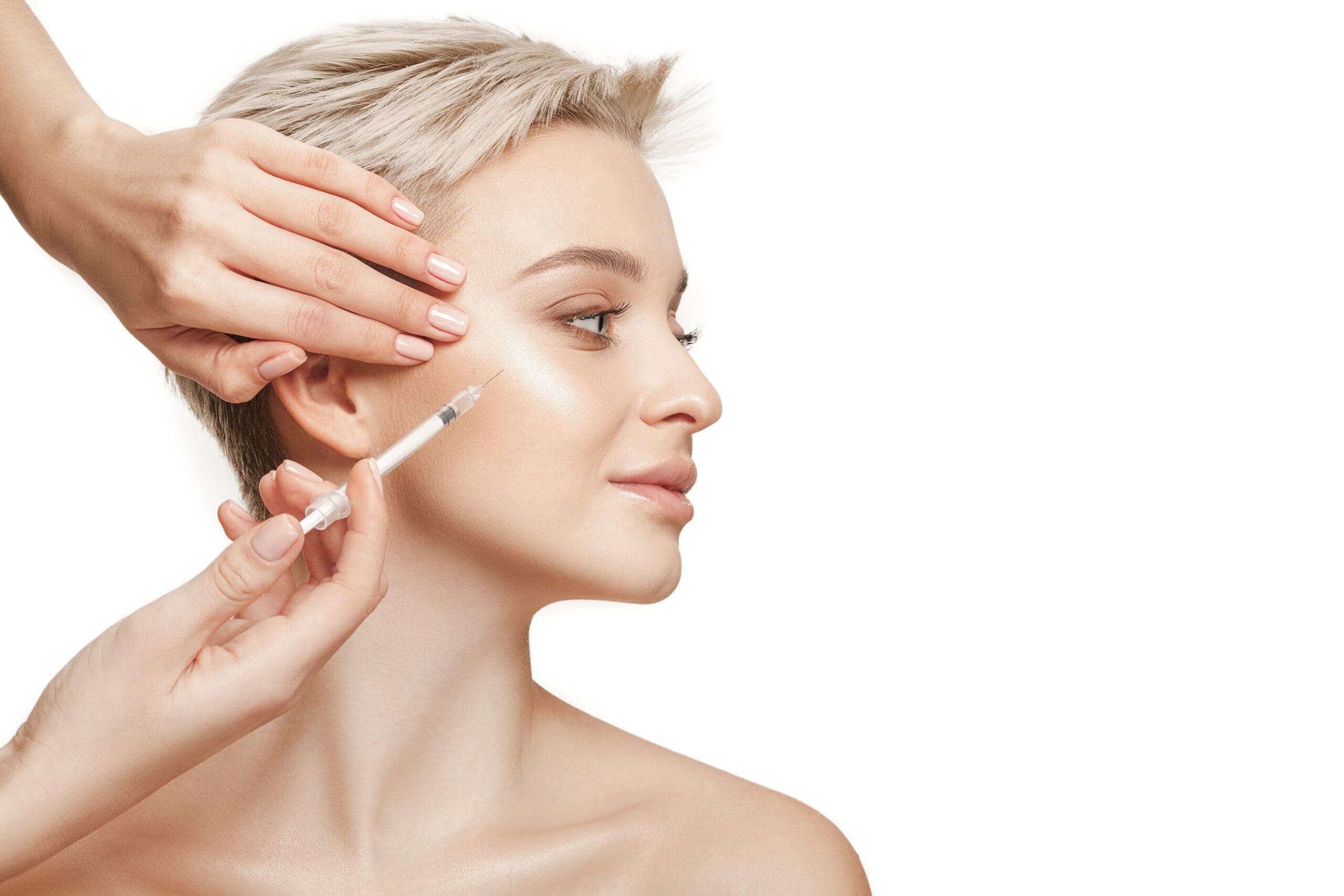
On brown and deeper skin, Skin Botox is performed the same way — heavily diluted botulinum toxin placed superficially for texture, pore appearance and oiliness. What changes is the assessment around it: much of the unevenness people want treated on deeper skin is pigment rather than texture, and pigment does not respond to this treatment. Getting that distinction right before booking matters more than anything about the injection itself.
Does skin tone change how Skin Botox works?
Not mechanically, and this is worth being clear about because it is the opposite of how deeper skin is usually discussed in aesthetics.
Most of the "for Indian skin" advice you have read concerns lasers and other energy-based devices, where melanin in the skin absorbs the energy and the settings genuinely have to account for your tone. Skin Botox is not an energy-based treatment. Nothing is being aimed at pigment, and no light or heat is delivered. The medicine is placed in the most superficial layer of the skin and works on the tiny muscles and glands close to the surface, which behave the same way whatever your colouring.
So the honest answer to "is it safe for my skin tone" is that tone is not the variable this treatment turns on. The variables that matter for deeper skin are what happens around it — what you are treating, and how your skin responds to being handled.
Is what I am seeing texture, or is it pigment?
This is the question that decides whether the treatment helps you at all, and on deeper skin it is harder to answer by eye.
Skin Botox is documented to address a specific short list: skin that catches the light unevenly because the surface is irregular, pores that look large across the cheeks and nose, and skin that turns shiny within a couple of hours. Scarring and pigmentation do not respond to it.
On brown skin, a very common pattern is a face that reads as uneven in photographs because of marks left behind by old spots — darkened patches where a breakout healed months ago. Those sit at the same places as visible pores, often on the same cheeks, and it is genuinely easy to look in a mirror and conclude the problem is texture when a substantial part of it is colour. Treat that with Skin Botox and the oiliness may improve while the thing that bothered you in photographs stays exactly where it was.
A proper assessment separates the two. The doctor examines pore size, oiliness and texture, and confirms that superficial botulinum toxin is the right tool for what you want changed — which includes saying so when it is not, and pointing you towards a treatment that works on pigment instead.
Do I have a higher chance of marks afterwards?
The clinic's own documentation for this treatment does not list pigmentation after treatment among its side effects, and we are not going to invent a figure for it. What it does list is redness and mild swelling that generally settle within a day, bruising at the injection points that usually clears within a few days, and temporary dryness or flaking that typically subsides within about a day.
What is worth knowing is the general behaviour of deeper skin: pigment cells in Fitzpatrick IV to VI skin respond more readily to inflammation, which is why darker marks can linger after spots, cuts and procedures on brown skin when the same event leaves nothing behind on lighter skin. That is not a statement about what this specific treatment does. It is the reason the question deserves to be asked out loud at your consultation rather than assumed either way.
Ask it directly, and in these terms:
- Given my skin and my history of marking, what is the chance of discolouration at the injection points?
- If a bruise appears, what should I expect it to look like as it fades on my skin, and how long should I give it?
- What written aftercare do you want me to follow, specifically for sun?
That last one matters because the aftercare you are handed at the clinic is the instruction to follow — not a generic routine copied from content written for a different population.
What about a history of keloids?
Take this one seriously, because it is the single documented contraindication that falls disproportionately on deeper skin.
Skin Botox is not advised for anyone prone to keloid scarring. Keloid and hypertrophic scarring is more common on brown and black skin, and many people carry a history of it without ever having used the word — a raised, thickened scar after an ear piercing, a vaccination, a chickenpox spot or minor surgery counts, and so does a family pattern of the same.
If any of that describes you, say so at the assessment even if nobody asks. The other documented exclusions apply regardless of tone: pregnancy and breastfeeding, treatment over active acne, active herpes, severe eczema or psoriasis, and during chemotherapy.
Does redness look different on deeper skin?
Often, yes — and it can mislead you in both directions.
Redness on brown skin can be less visually obvious than it would be on lighter skin, which means the mirror is a poorer guide to how your skin is actually doing in the days afterwards. Describe what you feel — heat, tenderness, tightness — rather than relying on whether you can see a flush. And if something is not settling in the timeframe your written aftercare describes, ring the clinic and let them look at it rather than deciding for yourself what it is.
Where else should I be looking?
Depending on what your assessment finds, two other conversations come up frequently for this group of patients.
If your skin has lost bounce, or reads dull and slightly crepey rather than oily, Profhilo works at a different level in the skin and addresses skin quality and firmness rather than pore appearance and shine. If the thing you dislike is a line that only appears when you move, Botox into the muscle is the treatment that targets it, and Skin Botox deliberately does not.
None of those three is a substitute for the others, and a plan that starts by deciding which one you are having before anyone has looked at your skin has the order wrong.
The practical next step
Bring your history with you — marking after spots, any raised scars, medicines you take, and what you have already tried. Bring a photograph of your skin at its shiniest, taken on an ordinary day at about four in the afternoon, because that is more useful than describing it.
The consultation is ₹500, waived off against treatment, and it exists to answer exactly the question this article cannot: whether what you are seeing on your skin is the thing this treatment addresses. You can book an appointment at Indiranagar or Bellandur.