
Skin Botox Aftercare: The First Week, Day by Day
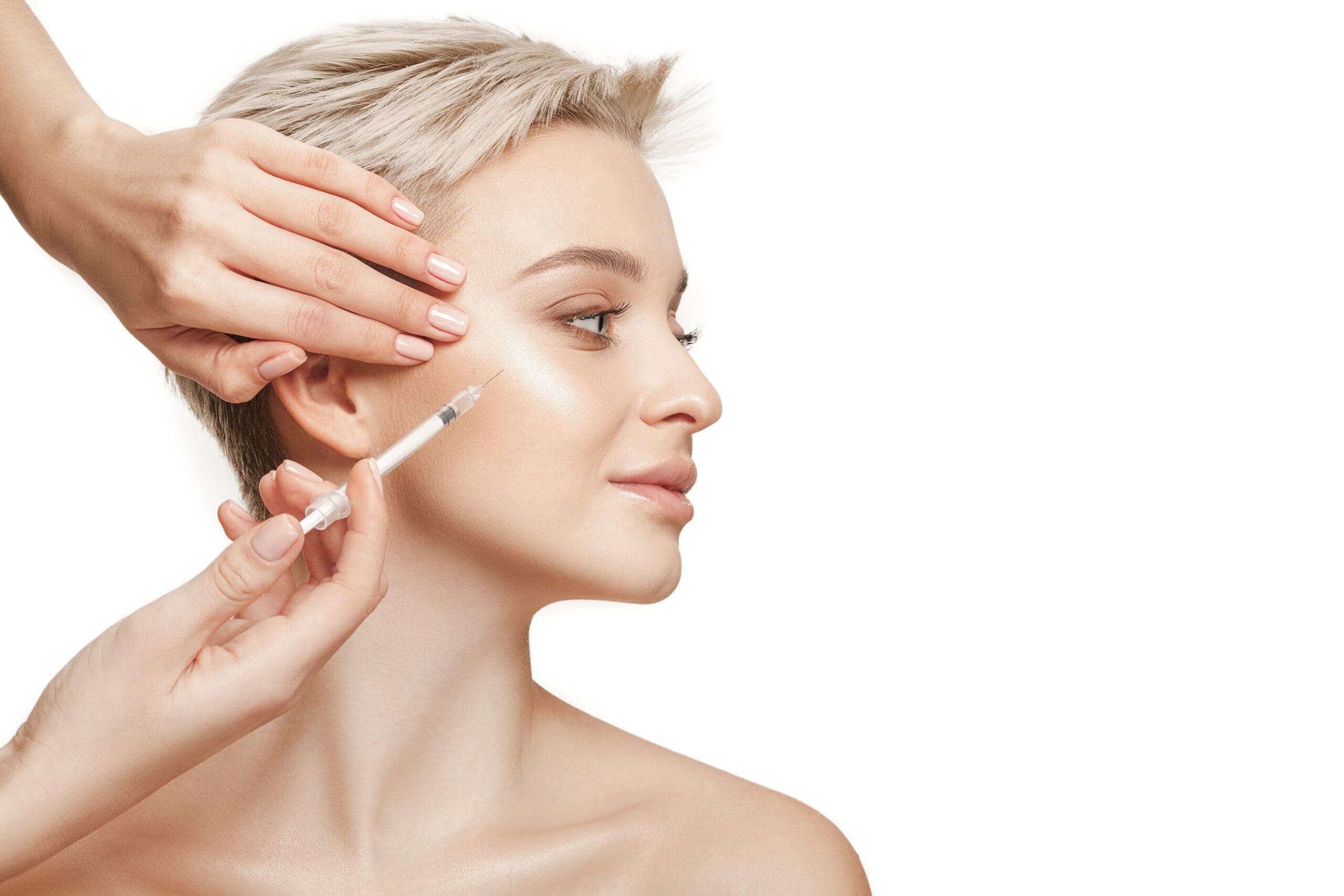
Expect very little. Mild redness or swelling straight after Skin Botox is normal and generally settles within a day, bruising at the injection points is possible and usually clears within a few days, and any dryness or flaking typically subsides within about a day. Most patients carry on with their usual routine the same day. The result builds gradually over the week.
Below is that week laid out in order — and one important note about whose instructions you should actually be following.
Whose aftercare instructions govern this week?
The written sheet you are handed at the clinic, not this article.
Part of the Skin Botox appointment is being given written aftercare, and it is written for the treatment you had, in the areas you had treated, by the doctor who treated you. This clinic does not publish a public list of restrictions for Skin Botox, and rather than fill that silence with plausible-sounding rules borrowed from a different procedure, the honest advice is this: follow the sheet, and if anything on it is unclear, ring and ask before you guess.
What follows is a description of the week, not a competing set of instructions.
The first few hours: what is normal straight after?
Redness and mild swelling at the treated area. This is the commonest thing to notice and it is expected — the skin has just had many tiny injections placed across it with a very fine needle.
Downtime is minimal, and most patients return to their usual routine the same day. That is genuinely what the appointment is designed around. If you have gone back to work or straight out afterwards, you have not done anything wrong.
You will see nothing of the result yet. Nobody does. The changes come over the days that follow.
Day one: what should I expect to have changed?
Mostly that the redness and swelling have settled. Both generally do so within a day, so if you looked slightly flushed on the evening of the treatment, the following day is usually when that stops being noticeable.
Some patients notice mild skin irritation, dryness or flaking around now. That too typically subsides within about a day. It is not a sign that something has been done incorrectly, and it is not a reason to start layering on new products in response — a treated area is not the moment to introduce an active you have never used before.
Still no result. Resist the mirror inspection; it will tell you nothing useful this early.
Days two and three: the bruising window
If bruising appeared, this is when it is most visible.
Bruising at the injection points is possible for anyone and is more likely if you take blood-thinning medication. It usually clears within a few days. There are only so many bruises a very fine needle can produce, and they tend to be small and discrete rather than one large mark.
This is also the point at which people who booked too close to an event realise the mistake. If your calendar has something in it this week, that is worth knowing before the appointment rather than during this paragraph.
Days four to seven: when does the result start to show?
Gradually, across this stretch and beyond it.
Changes generally show over the days following treatment and continue to improve rather than appearing all at once, so the end of the first week is a work-in-progress rather than a verdict. Whatever you are seeing on day seven is not the final answer on how the treatment performed.
The things to watch for are the ones the treatment is aimed at: the surface looking a little smoother in ordinary light, pores across the cheeks and nose reading as less obvious, and skin staying matte for longer through the day. What you should not see is any change in how your face moves — that is not what this treatment is aiming at.
What should prompt me to contact the clinic?
Some things are worth a call rather than a wait-and-see. This list is about picking up the phone; it is deliberately not a list of what any of them means, because working that out is the clinic's job and not yours to do from an article.
Contact the clinic if:
- Redness or swelling has not settled after about a day, or is getting worse rather than better.
- Bruising is spreading or worsening beyond a few days rather than fading.
- Dryness, flaking or irritation persists well past the day or so it should take to subside.
- Any injection point becomes increasingly painful, warm or tender, develops spreading redness or any discharge, or you develop a fever.
- A cold sore or any new active skin problem appears in or near the treated area.
- You notice any change in how your face moves, however subtle. The treatment is not aiming at your expression, so a change there is something the doctor should hear about.
- Anything at all happens that you were not told to expect. You do not need to justify the call.
Please do not try to assess any of these yourself, and do not wait to see whether an internet search agrees with you. Ring the clinic and describe what you are seeing. If something feels severe, is escalating quickly, or you feel unwell in yourself, seek urgent medical care rather than waiting for a callback — that is the right instinct in any circumstance, not only this one.
Botulinum toxin is a prescription medicine. A clinic that treats you should expect to hear from you afterwards, and being told your symptom is ordinary is a perfectly good outcome of a phone call.
What is the review appointment for?
It is where the result is looked at once it has developed, so the plan can be adjusted for the next session if that turns out to be needed.
That is a different thing from a troubleshooting visit. The review exists because this treatment is assessed on how your skin actually responded rather than on what was predicted, and a doctor who can see the outcome is better placed to decide what happens next than one working from a template. If the first result was subtler than you wanted, the review is the room in which to say so.
It does not replace calling in the meantime. Anything on the list above should not wait for a scheduled appointment.
Where does the week leave me?
With a fair idea of the direction rather than a finished result, and with a plan that gets refined rather than repeated.
If you have not had the treatment yet and this is your research, the practical next step is the assessment itself — ₹500, waived off against treatment — where the doctor examines your skin and confirms whether superficial botulinum toxin is the right tool at all. If it turns out your concern is expression lines rather than surface texture, that is a conversation about Botox; if it is skin quality driven by hydration, Profhilo answers a different question again.
Either way, book an appointment and have the conversation in person.