
Skin Botox for New Mothers: Timing, breastfeeding and what to postpone
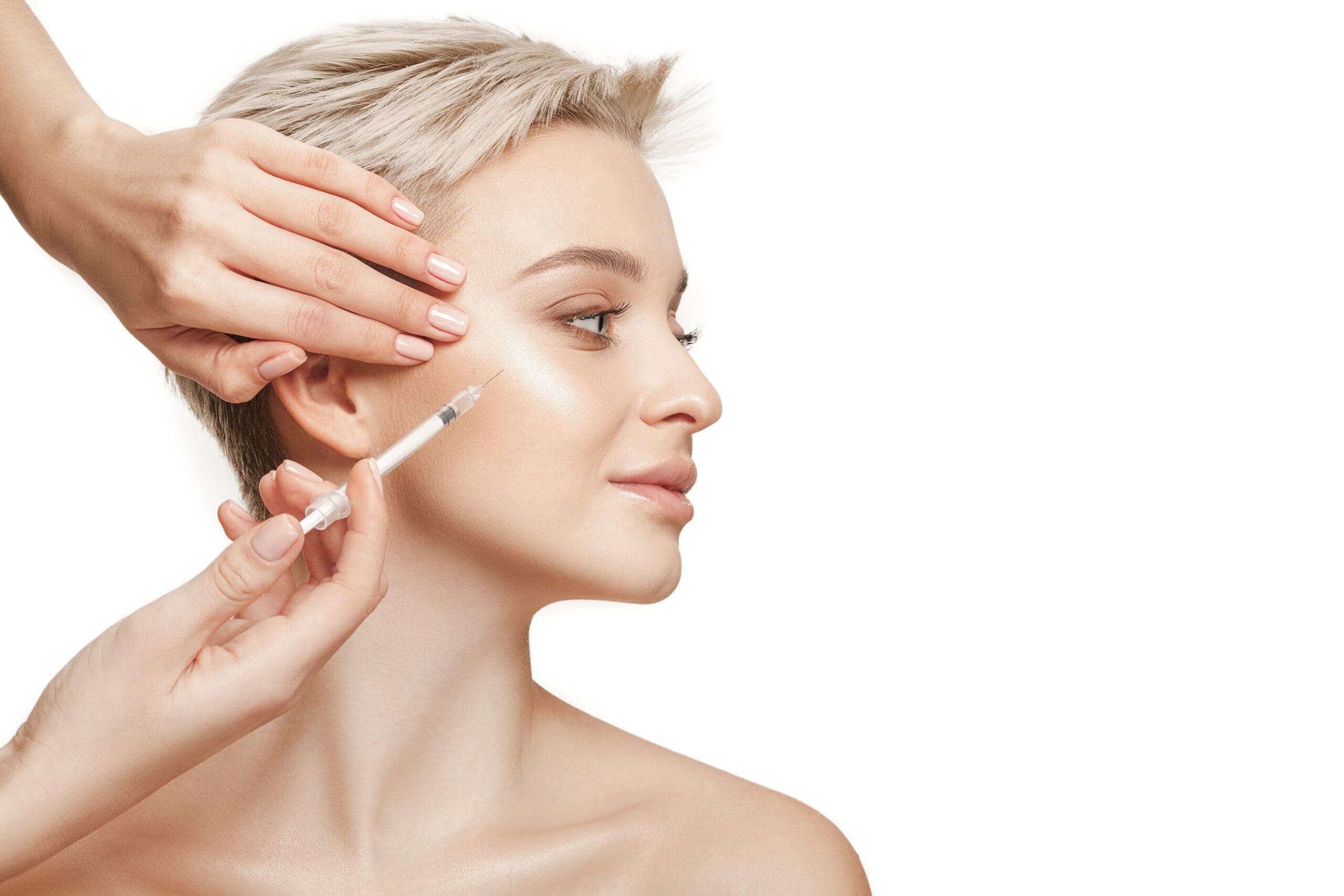
The clinic's own documentation is unambiguous on the first question new mothers ask: Skin Botox is not advised during pregnancy or breastfeeding. What it does not state is a date after which it becomes appropriate, so that is a conversation to open at the very start of your consultation rather than something to settle from an article.
That gap is deliberate on our part. Botulinum toxin is a prescription medicine, and the timing of any injectable around feeding is a clinical judgement made about one person by a doctor who knows her history. Nothing here diagnoses your skin or clears you for anything.
Can I have Skin Botox while I am breastfeeding?
No — the treatment is not advised during pregnancy or breastfeeding. That contraindication is listed alongside the others in the clinic's own documentation for this treatment, and it is not a soft preference to negotiate around.
It is worth knowing that the same restriction is documented for standard Botox as well. So if your plan was to switch to the muscle-level treatment instead, that does not sidestep anything. The restriction attaches to the medicine, not to the technique.
When can I start once I have stopped feeding?
This is the honest part: the clinic documents that the treatment is not advised during breastfeeding, and it does not publish a waiting period for afterwards. Anyone who gives you a confident number of weeks without having seen you is inventing it.
What that means practically is that the interval is set at consultation, by the doctor, with your history in front of her. Tell her at the start — not halfway through, and not after the assessment has already been done on the assumption that you are treatable today. Say how old your baby is, whether you are still feeding at all, whether you are mixed feeding, and what medication you are currently taking. All of it is relevant, and none of it is something to be embarrassed about in a clinic.
The consultation itself is ₹500, waived off against treatment. If the answer is "not yet", you have still spent that appointment usefully: you leave with a date to come back and with a clear picture of what your skin actually needs.
What else in the postpartum months might rule me out for now?
Several things on the standard list, and one of them catches new mothers particularly often. The treatment is not advised over active acne, active herpes, severe eczema or psoriasis, for those prone to keloid scarring, or during chemotherapy — in addition to pregnancy and breastfeeding.
If your skin is currently breaking out, that "active acne" line matters. It does not mean you cannot ever have the treatment; it means the doctor is unlikely to inject over a breakout, and the sensible sequence is to settle the skin first and revisit this afterwards. That is a conversation about a plan, not a refusal.
Will Skin Botox address what actually changed in my skin?
Only if what changed is texture, pore appearance or oiliness. That is the whole target. The treatment places heavily diluted botulinum toxin into the most superficial layer of the skin rather than into the muscle beneath it, and the aim is a smoother-looking surface, pores that read as less obvious across the cheeks and nose, and less shine through the day.
It is not a treatment for pigmentation, and it is not a treatment for scarring — the clinic states plainly that those do not respond to it. If what you are looking at in the mirror is patchy tone rather than shine, this is the wrong tool, and you will find that out at the assessment. The doctor's first job is to check whether your concern is texture and oil control, which this addresses, or something else, which it does not.
If your skin has lost bounce and looks dry rather than shiny, Profhilo works on skin quality and firmness instead, and has its own schedule. It is also an injectable, so the same conversation about timing and feeding applies to it — raise it in the same breath.
What does the appointment involve, once I am cleared for it?
A short in-clinic appointment. The doctor assesses pore size, oiliness and texture; the area is cleansed and a numbing cream can be applied if you want one; many tiny amounts of diluted product are placed across the treatment area in the most superficial layer of skin with a very fine needle; you are given written aftercare and the result is reviewed once it has developed.
Most patients describe minimal discomfort or a slight stinging sensation. Downtime is minimal — mild redness that usually settles quickly, and most people carry on with the rest of the day. For a mother working around a feed schedule and a nap window, that is usually the practical detail that matters, so ask for the appointment length when you book rather than assuming.
How many sessions you need varies with your skin and what you want changed, and the doctor gives you a realistic number at consultation rather than a package figure fixed beforehand.
What should prompt me to ring the clinic afterwards?
Anything that is not resolving along the lines you were told to expect. Redness and mild swelling generally settle within a day. Temporary dryness or flaking typically subsides within about a day. Bruising at the injection points is possible — more likely if you are on blood-thinning medication — and usually clears within a few days.
If something is still there long after that, is getting worse rather than better, or was never mentioned in your aftercare at all, contact the clinic. Please do not try to judge it yourself between feeds at two in the morning; ring in the morning and ask them to look. Take the clinic's number at your appointment so it is in your phone before you need it.
What is the sensible next step?
Book the consultation even if you suspect the answer today is "wait". Bring your feeding situation, your current medication and your actual complaint about your skin, in that order.
You can read what the treatment is and is not on the Skin Botox page, and when you are ready, book an appointment at Indiranagar or Bellandur.