
Laser Hair Removal — The Machine Matters, and So Does the Wavelength
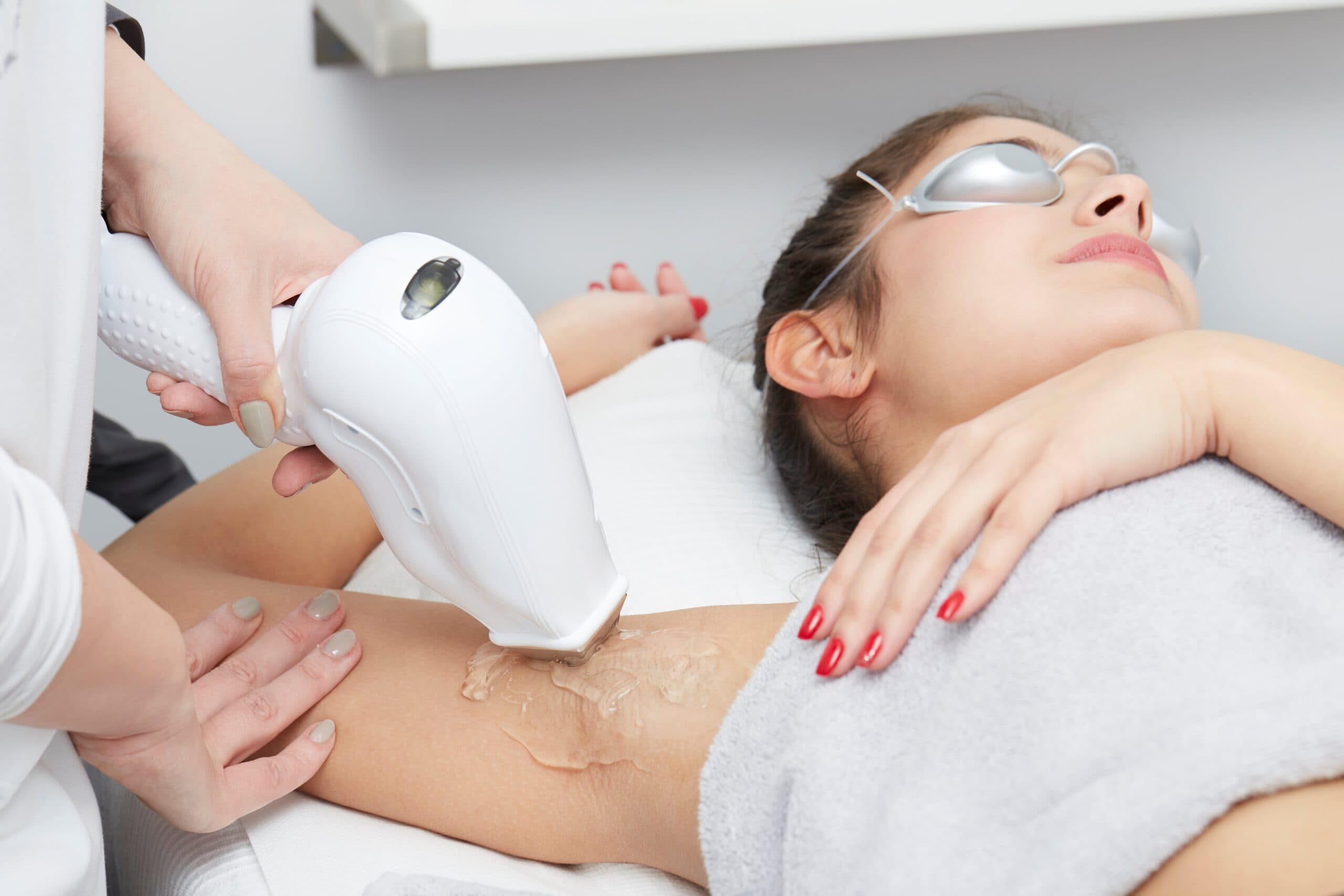
Laser hair reduction is one of the most requested treatments in any aesthetic clinic, and one of the few where the equipment genuinely changes the outcome. But "FDA-approved machine" — the phrase every clinic in Bangalore puts on its website, ours included — answers a narrower question than most people think it does. Here is what it covers, and what you still need to ask.
Clearance, approval, and the difference
Most aesthetic lasers reach the market through the US FDA's 510(k) clearance route: the manufacturer demonstrates that the device is substantially equivalent in safety and performance to one already legally marketed. A small number of devices go through the much heavier premarket approval process.
In everyday use, clinics and patients say "FDA-approved" for both. It is harmless shorthand, but it is worth knowing the underlying claim, because clearance is a real and meaningful bar rather than a marketing badge:
- Energy output stays within characterised limits, which is the main protection against burns, blistering and scarring.
- The device does what it claims under the conditions it was tested in.
- Output is consistent session to session rather than drifting with use.
- The manufacturer is subject to reporting obligations and to standards for how it is made.
What it does not certify is that this device is right for your skin, or that the person holding it knows what they are doing. Both of those are separate questions, and the first one is the more interesting.
The question that actually matters on Indian skin
Laser hair removal works by selective photothermolysis: the laser targets melanin in the hair, heating the follicle enough to disable it while leaving the surrounding skin alone.
The catch is that your skin contains melanin too. The more of it, the more competition there is for that energy, and the greater the risk that the skin absorbs enough to burn or to respond with post-inflammatory pigmentation. This is why the technology that works beautifully on pale skin with dark hair can be actively unsafe on deeper skin tones.
Wavelength is how that is managed. Longer wavelengths penetrate deeper and are absorbed less by the melanin in the epidermis:
- Alexandrite (755 nm) — strongly absorbed, very effective on light skin, and generally a poor choice for deeper skin tones.
- Diode (around 800–810 nm) — the versatile middle ground, widely used across a range of skin types.
- Nd:YAG (1064 nm) — the longest of the three and the safest option for brown and darker skin, because relatively little of its energy is taken up by epidermal melanin. It is generally less comfortable, which is a fair trade.
So the useful question is not only "is your machine FDA-cleared" but "which wavelength will you use on me, and why that one for my skin". A platform offering more than one wavelength, with an operator who chooses between them, is a better sign than any single brand name.
Alongside wavelength, fluence, pulse duration and skin cooling are all adjusted to your skin type and hair. That adjustment is the operator's job, and it is where training shows.
What can go wrong with the wrong device or the wrong settings
- Burns and blistering, from energy the skin absorbed rather than the hair.
- Pigment changes — darker marks afterwards, or lighter patches — which on Indian skin is the most common complaint and can take months to settle.
- Paradoxical hair growth, an uncommon but recognised response, most often on the face and neck in some patients.
- Patchy reduction, from inconsistent output or poor coverage, which wastes a whole course.
- Eye injury without proper protection. Everyone in the room wears it.
Reduction, not removal
It is called laser hair reduction for a reason. A proper course substantially reduces density and thickness and many people are effectively done — but hair follicles cycle, only follicles in the active growth phase respond, and this is why sessions are spaced weeks apart and why several are needed.
Most people need occasional maintenance afterwards. Hormonal factors, PCOS in particular, change both the number of sessions and how long results hold, and it is worth raising at consultation rather than discovering at session six.
Very fine, light or grey hair contains little melanin and responds poorly regardless of the device — there is nothing for the laser to target.
When it should be postponed
Recent tanning or sunburn. Photosensitising medication, including some antibiotics. Recent isotretinoin. Active infection or cold sores in the area. Pregnancy, by convention. And plucking, waxing or threading in the weeks before a session, which removes the very target the laser needs — shaving is the correct preparation.
What to ask before you book
- Which device, and which wavelength for my skin type?
- Who operates it, what training have they had, and is there medical supervision?
- Will you do a patch test? For a first course this is a reasonable request, and the answer should be yes.
- What is the plan if my skin reacts?
Four ordinary questions. A clinic that answers all four without hesitation has told you most of what you need to know.
At The Aesthetic Edge laser hair reduction is performed on FDA-cleared platforms, with wavelength and settings matched to each patient's skin and hair, under medical supervision. If you are unsure whether treatment suits your skin, book a consultation at Indiranagar or Bellandur and ask the wavelength question directly.