
How to Prepare for MNRF Treatment (and What to Avoid Beforehand)
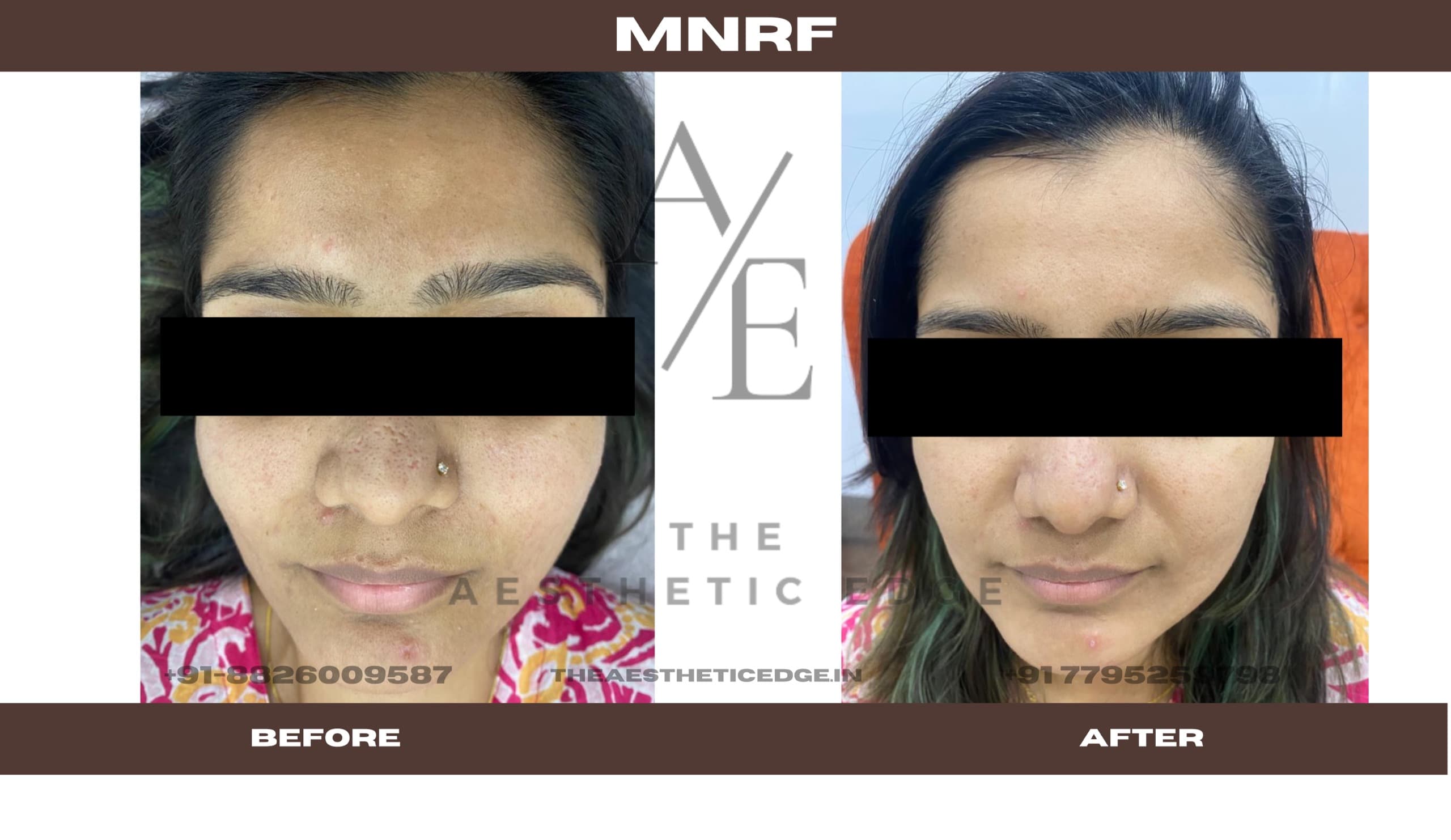
Getting ready for MNRF is mostly two jobs. Tell the clinic the things that change whether you should have it at all — pregnancy or breastfeeding, a tendency to form keloids, active psoriasis or eczema where you are being treated. Then manage the diary: allow time on the day for numbing cream to work, and choose a fortnight where you can stay out of strong sunlight afterwards.
Very little else about the week before is within your control, and that is deliberate. The variables that matter are set by the doctor at the assessment.
What has to be disclosed before an MNRF session?
Three things are documented reasons not to proceed, and each of them is a conversation rather than a form-filling exercise.
Pregnancy or breastfeeding. Say so at the point of booking, not on the way into the treatment room.
A tendency to keloid scarring. If cuts, piercings or old injuries have healed into raised, thickened scars rather than flat ones, that history matters and needs to be volunteered. Patients often assume it is irrelevant to a cosmetic appointment. It is one of the most relevant things you can mention.
Active skin conditions in the treatment area — psoriasis or eczema, for example, where the needles would be working.
All three are screened at the consultation. Screening only works if the information reaches the person doing it, so err towards over-disclosing: medications you take, treatments you have had elsewhere, anything your skin has reacted badly to before.
Why does the assessment come first?
Because the session is configured to your skin rather than run from a preset.
The first stage of MNRF is an assessment in which the doctor maps what is actually being treated — scars, pores or laxity — and sets the treatment depth and the energy accordingly. Everything that follows depends on that mapping, including how comfortable the hour is and how your skin behaves for the week afterwards.
This is also where the plan gets built. Most courses run to three or four sessions, spaced by the doctor, and knowing that number in advance is what lets you schedule the rest of your life around it instead of the other way round.
How much time should I block out?
More than the procedure itself.
The treatment takes around sixty minutes, worked through zone by zone. Before that, the skin is cleansed and numbing cream is applied and left to do its job, and rushing that stage is a false economy paid for in discomfort. Afterwards you will be given written aftercare and, over the course, photographs are taken so progress is measured against a record.
Assume a half-day mindset rather than a lunch-hour one for a first visit, and do not schedule anything immediately afterwards that requires you to look composed.
What should I stop doing in the week before?
Ask the clinic, and follow the answer you are given rather than a general rule from the internet.
What is worth saying here is the principle: the week before a session is not the week to introduce anything new. A fresh active, an unfamiliar exfoliant, a strong facial booked elsewhere, or a home device bought in enthusiasm all change the state of the skin your doctor is about to assess — and they change it in ways that are hard to account for on the day.
If you have had a lot of recent sun, mention it. The assessment sets depth and energy for the skin in front of the doctor, and recent exposure is part of the picture that skin presents.
How should I plan this around work and events?
Backwards from the sun, not forwards from the appointment.
Redness and mild swelling generally settle within hours, so the visible flush is short-lived. Light crusting at the needle points can show for a few days, and that is the part worth putting in the diary. Then there is a fortnight in which treated skin burns easily and SPF 30 or higher plus genuine shade are part of the treatment.
So the fortnight to avoid is the one with the beach wedding, the outdoor conference or the site visit. A quiet stretch with ordinary indoor commitments is worth waiting for, particularly for a first session when you do not yet know how your own skin responds.
What should I bring, and what should I not arrive wearing?
Arrive with a clean face where you can. The skin is cleansed before the session regardless, but there is no advantage to layering makeup on in the morning that someone will take off in the afternoon.
Bring a list rather than a memory: what you currently use on your skin, what you take, and what has been done to your face before, including treatments at other clinics. Bring your questions written down, because most people forget two of the three they meant to ask.
Bring sun protection for the journey home, and a hat if you have one. You are leaving with skin that is more sun-sensitive than it was when you arrived, and that starts immediately rather than the next morning.
Should I book the whole course at once?
There is a practical argument for it. Sessions are spaced deliberately, so that collagen has time to remodel between them, and a course spread over months tends to slip if each appointment is arranged individually.
That said, the spacing is a clinical decision, not a calendar preference. Agree the plan at the assessment and let the doctor set the intervals.
What is worth asking before you commit?
Which concerns this will address and which it will not. Whether microneedling with a Dermapen would answer your particular problem more directly, or whether a Q-Switch laser is the better tool if pigment rather than texture is your main complaint. How many sessions the plan involves. What the sun commitment looks like between them.
Detail on how a session actually runs is on the MNRF treatment page. If you would rather have your skin looked at before deciding anything, book a consultation at Indiranagar or Bellandur — ₹500, waived off against treatment if you go ahead.