
How to Prepare for Hair Botox (and What to Avoid Beforehand)
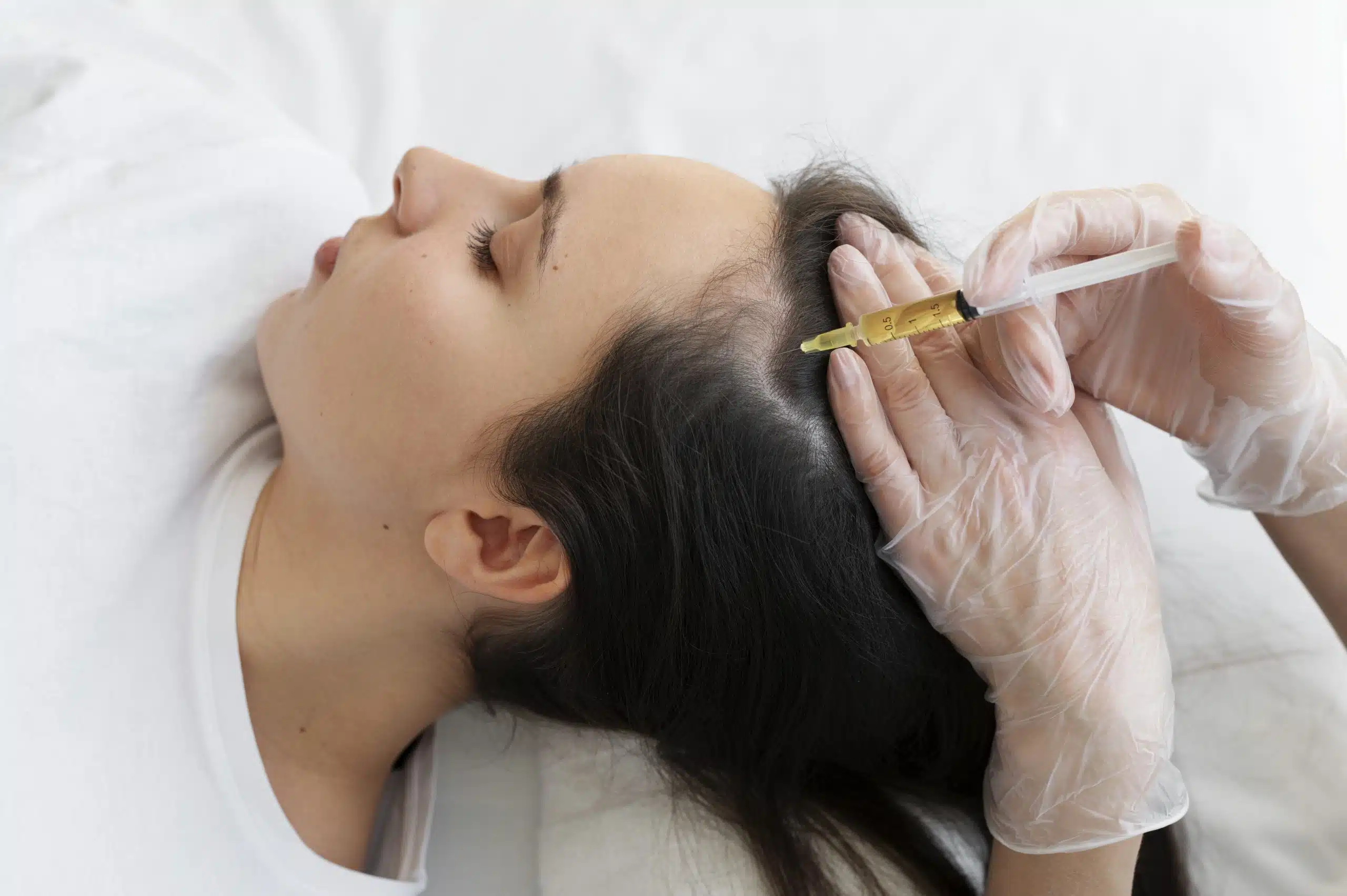
Preparing for hair botox is far less about restricting yourself the week before than about arriving with the information a doctor needs. Sweat and oil pattern, scalp health and medical history are all reviewed before anything is planned, so the useful preparation is being able to describe your scalp accurately and disclose your history fully. The appointment itself is short — around 30 minutes — with no to minimal downtime afterwards.
How much preparation does hair botox genuinely need?
Less than most people expect, because the demanding part happens in the room rather than in the week beforehand. Hair Botox here is a doctor placing micro-injections of botulinum toxin into the scalp to calm excessive sweating and oiliness, and the sequence is fixed: a scalp assessment, then the doctor maps injection points and dose for your scalp rather than following a template, then the procedure with numbing cream applied first.
That means your preparation feeds the first two steps. The more precisely you can describe when your scalp sweats, when the roots turn, and what you have already tried, the better the map that follows.
What should I stop taking beforehand?
Nothing on the say-so of an article, including this one. We do not publish a pre-treatment stop-list for this treatment, and a generic list borrowed from another clinic's facial injectable page is not a substitute for instructions written for you. What you should do is disclose everything you take — prescription medicines, over-the-counter painkillers, supplements, anything herbal — and let the doctor tell you whether any of it needs adjusting.
This matters more than usual because botulinum toxin is a prescription medicine, not a cosmetic product. If any pause is needed before your session, you will be told at the assessment, by someone who can see your history. Never stop a prescribed medicine because a blog suggested it; ask the person who prescribed it.
What must I disclose before the doctor maps a dose?
Two disclosures decide whether this treatment goes ahead at all. Anyone with a neuromuscular disorder should not have it, and neither should anyone who is pregnant or breastfeeding. The doctor reviews your medical history at consultation before confirming that you are a candidate, and these are the items that need to be volunteered rather than waited for.
Beyond those, tell the clinic about any scalp condition you are being treated for, any previous botulinum treatment anywhere on the body and roughly when it was, any allergy history, and any regrowth work already under way. Hair botox is not a regrowth treatment on its own; where a plan is running, a calmer scalp complements protocols such as PRP or GFC, and the doctor may suggest combining them after a scalp review. That sequencing conversation is much easier when the doctor knows what you are already doing.
What should I bring to the appointment?
Bring the things you will otherwise half-remember. A written list of your medicines and doses. The dates of any previous injectable treatment. The name of any medicated shampoo or scalp prescription you have used and whether it helped. And, genuinely useful for this particular complaint, a plain account of your week: which days the scalp is worst, how many hours a blow-dry survives, how often you are washing purely to manage oil.
If you have photographs of your hair at the end of a bad day — flattened roots, a style that has collapsed by evening — bring them. They describe the pattern better than most people manage in words.
How do I fit this around a working day?
Comfortably, in most cases. The procedure runs around 30 minutes and downtime is none to minimal, so you return to your normal routine the same day. Allow more than the 30 minutes in your diary, though: numbing cream is applied first and needs time to work before the injections begin, so the appointment is longer than the procedure.
A midweek slot with an ordinary afternoon after it tends to work better than squeezing it in before something that cannot be moved. You will not be incapacitated, but small bumps, redness or tenderness at the injection points for a day or two is common, and it is more pleasant not to have a photograph scheduled for that evening.
Should I book it just before a wedding or a big event?
Not without asking first, and this is the question we would most like people to bring to the consultation rather than guess at. We publish how long the effect lasts — typically four to six months, after which scalp sweating gradually returns to its earlier pattern and the treatment can be repeated — but how quickly it comes on is a question for the doctor treating you, not something to assume from a website.
So if you are working backwards from a date, say the date out loud at the assessment. The doctor can then tell you whether the timing works, and if it does not, say so plainly rather than letting you book on hope.
Is there anything to do with my hair on the day?
Come as your scalp normally is. The assessment is reading your real sweat and oil pattern, and a scalp that has been scrubbed into an unusual state that morning is a less useful thing to examine. If the clinic gives you a specific instruction when you book, follow that instruction over anything written here — it will have been written for your appointment.
What happens afterwards, and when should I get in touch?
Expect the small stuff: injection-site soreness, with bumps, redness or tenderness for a day or two that settles on its own, and possibly a mild, short-lived headache after scalp injections. Very rarely, nearby muscles can feel temporarily weak, which is precisely why a doctor maps the dose.
Contact the clinic rather than waiting it out or working out what it means yourself if the soreness or bumps are still present beyond those first couple of days, if anything at an injection point is worsening rather than quietly settling, if a headache does not pass off, or if you notice weakness in any muscle near the treated area. None of that is for you to interpret — it needs a doctor who has your map and your dose in front of them. Call whichever branch treated you and ask to be seen.
Ready to be assessed?
The preparation that actually changes your outcome is the assessment itself. Book a consultation at The Aesthetic Edge in Indiranagar or Bellandur — ₹500, waived off against treatment — bring your medicine list and your honest account of a bad hair day, and let the plan be built from your scalp rather than from a template.