
How to Prepare for Dermal Fillers (and What to Avoid Beforehand)
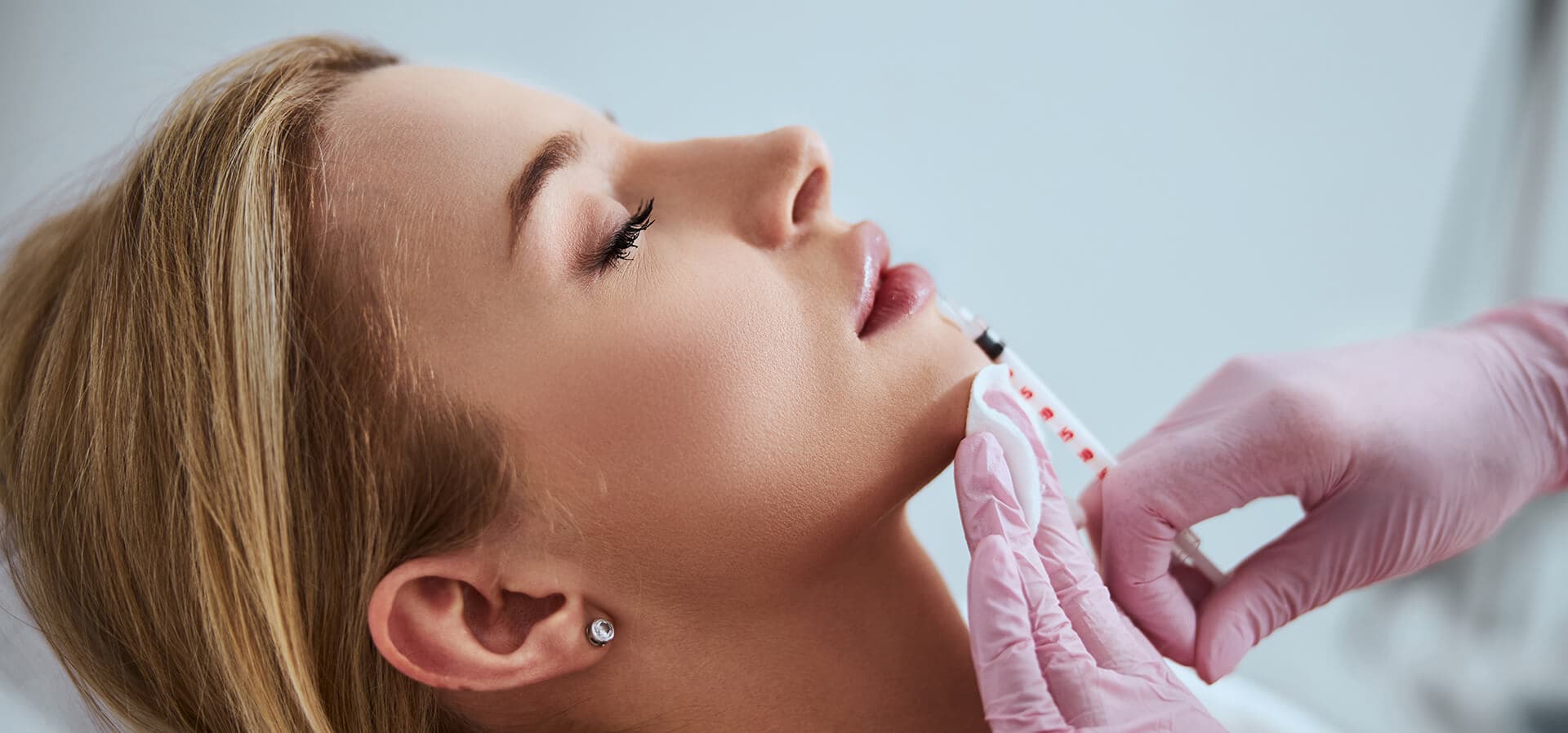
Preparing well for dermal fillers comes down to four things: pause alcohol, smoking, fish oil and strenuous exercise around the appointment; disclose every medicine and supplement you take, especially blood thinners; leave a day or two either side for swelling to settle; and arrive early enough for numbing cream to sit for 30 to 45 minutes. Nothing about it is arduous. Skipping it mostly costs you a more bruised week.
Below is the same advice with the reasoning attached, because knowing why a rule exists is what makes people follow it.
What should you stop before the appointment?
Alcohol, smoking, fish oil and strenuous exercise, around the time of your appointment. Those four are the ones to plan for.
Alcohol and fish oil both push in the same direction as bruising, and bruising at an injection site is already a normal possibility with any filler. Blood thinners do the same. Strenuous exercise raises blood flow to the face, which is not what you want in the hours either side of a needle. Smoking is worth pausing for reasons that go past a single appointment.
Ask at your consultation exactly how long before and after to hold off. The window depends on what is being treated and on your own medical picture, and a number in an article is a worse answer than the one your doctor gives you.
What must you tell your doctor?
Everything you take, without editing it down to what you think is relevant.
Prescribed medication is the obvious category, and blood thinners in particular, because they make bruising and tenderness more likely. But the supplement shelf matters just as much and is the part people leave out — fish oil is the one named explicitly, and it rarely gets mentioned because nobody thinks of it as a drug.
One line that should not need saying but does: never stop a prescribed medicine on your own to prepare for a cosmetic appointment. Bring the bottle or a photograph of the label, tell your doctor, and let the decision be made by someone with your full picture. If a treatment needs to wait a fortnight, it waits a fortnight.
Also mention anything you have had done before — filler placed elsewhere, wrinkle relaxer treatment, a thread lift, or work done at another clinic. What already sits under your skin changes the plan.
What actually happens at the consultation?
The doctor works out whether what is bothering you is volume loss, movement, or skin quality. Only the first of those is a filler problem. Getting that assessment wrong — using the right tool on the wrong problem — is what produces results that look done, so this stage carries more of the outcome than the injection does.
Two things to raise while you are still in the chair:
Reversibility. Most fillers used in cosmetic practice are hyaluronic acid based, which means they can be dissolved with an enzyme injection if the result is not what you wanted. Confirm that yours is, and confirm the clinic holds the reversal agent on site.
Product and volume. Fillers arrive in pre-filled syringes, usually one millilitre, and the plan is drawn up in those units. How many you need depends on the area and on how much volume has been lost, so a jawline and a lip rarely carry the same number. The established hyaluronic acid families are Juvederm and Restylane, each with area-specific products — Volbella and Kysse, for instance, are formulated for lips. Which one goes into your plan is settled here, not on the day.
The consultation is ₹500, waived against treatment. Treatment itself starts from ₹14,999 per treatment, with the final plan confirmed before anything is opened.
How should you schedule it?
Backwards from the first occasion you cannot afford to look swollen.
Swelling and redness in the first hours to days are very common, particularly around lips and eyes, and typically settle within one to two days. Most people recover fully inside that window. Bruising, when it happens, generally clears within a few days. So the sensible planning rule is a fortnight of clear air before a wedding, a shoot, or anything with a photographer — not the long weekend before it.
On the day itself, build in the numbing. Anaesthetic cream is left on for 30 to 45 minutes before the doctor marks your injection points, and the injection that follows takes about 15 minutes, stretching towards an hour if several areas are being treated. The session runs roughly 15 to 30 minutes once your consultation is behind you, but the appointment as a whole is longer than the procedure. Do not book a call for forty minutes after your slot time.
Come with skin clean and free of makeup if you can, and arrange to be somewhere undemanding afterwards. Nobody needs to drive you home, but nobody enjoys a client meeting with an ice pack.
What should you ask to see on the day?
The box. Before anything is injected, the sealed product should be opened in front of you, so you can verify exactly what is being used against what was agreed at your consultation. This is a reasonable thing to expect and an unreasonable thing to be refused.
Ask who is injecting, too. Product choice, the plane it goes into, and the volume are decided by a doctor who knows the facial anatomy at each injection site, and that knowledge is the part of this treatment that most determines whether it goes well.
What about afterwards?
Ice is applied for any swelling before you leave, and the aftercare is explained then. The same list you paused beforehand — alcohol, smoking, hard exercise, fish oil — stays paused for the window your doctor gives you.
The visible change is close to immediate, but hold your judgement for a day or two while swelling settles. If something feels lumpy or uneven in those first days, tell the clinic rather than massaging it yourself; hyaluronic acid can be adjusted or dissolved, and pressing on it unsupervised is not how that gets done.
Know the rarer risks as well, because knowing them is what makes you act quickly. Infection, allergic reaction and blockage of a blood vessel are uncommon but real with any filler. If something feels wrong — unusual pain, skin that changes colour, vision changes — call the clinic straight away rather than waiting to see whether it settles.
Once it has settled, the result is reviewed properly, which is the point at which anything needs adjusting.
Ready to book?
Read the dermal fillers page for the full picture of what the treatment involves, then book an appointment and bring your medication list with you. The preparation that matters most happens in that first conversation.