
After Dermal Fillers: What's Normal and What Means Call the Clinic
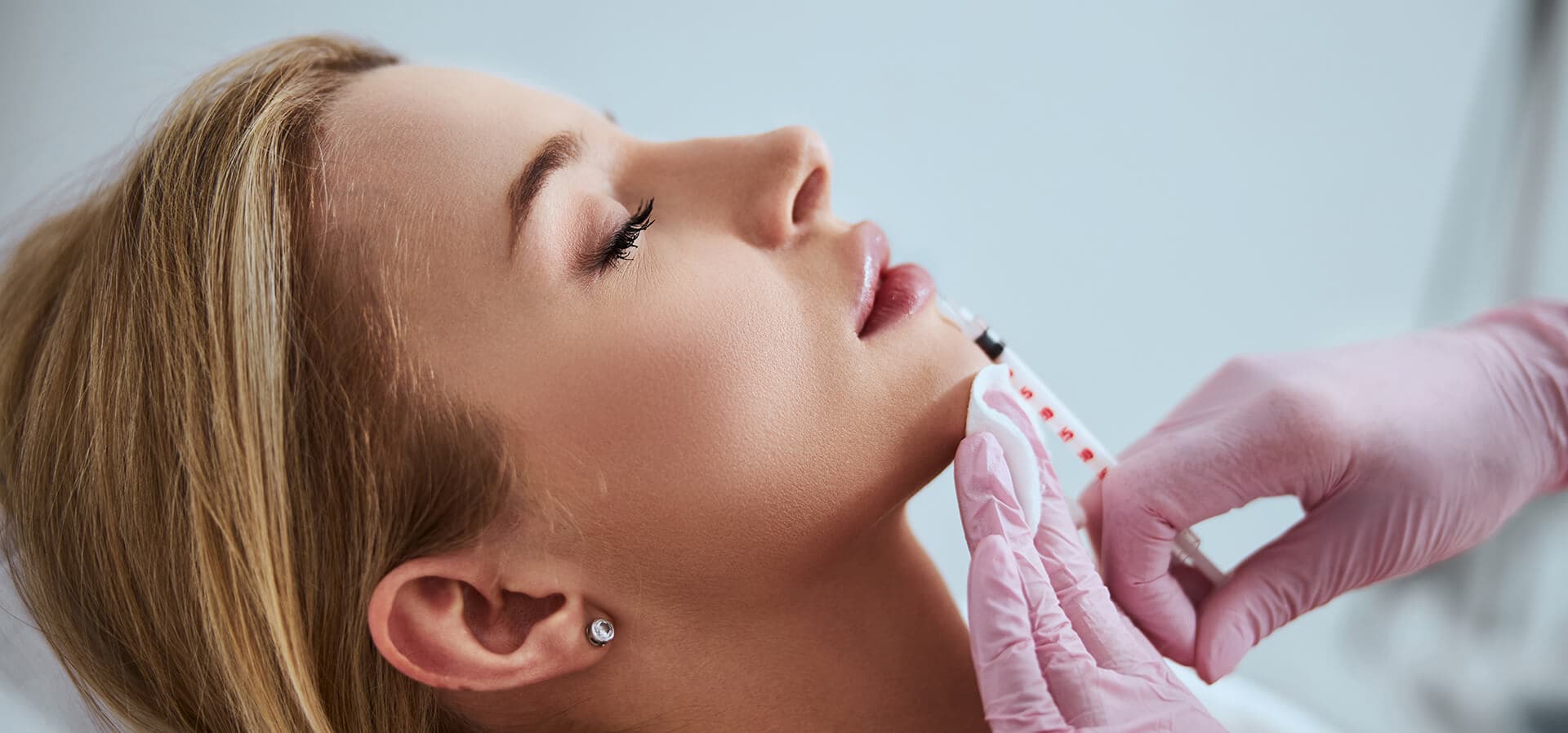
Expected after a filler: swelling and redness for the first hours to days, bruising and tenderness for a few days, and product that occasionally looks slightly uneven early on. Not expected, and worth a telephone call rather than a wait: severe or increasing pain, and any change in the colour of the skin over the treated area. Infection, allergic reaction and blockage of a blood vessel are rare, but they are real.
Almost every anxious message a clinic receives in the week after dermal fillers is about something entirely ordinary. That is a good thing, not an annoyance — the alternative is a patient who talks themselves out of calling. This piece is about drawing the line clearly enough that you know which side you are on, and about making the call an easy decision when you are not sure.
Is swelling normal after fillers?
Yes — very. It is the single commonest thing to happen, it starts in the first hours, and it is at its most dramatic around the lips and under the eyes, where the tissue is thin and holds fluid readily. Ice helps, and it typically subsides within one to two days. The result is meant to be judged once that has happened, not before.
What would take swelling out of the ordinary is not its size but its company. Swelling on its own, easing day by day, is recovery. Swelling arriving alongside severe pain, spreading heat or a colour change is a different conversation, and belongs in the section further down.
Is bruising normal?
It is a normal possibility at any injection site, and it generally resolves within a few days. Some people bruise readily and some barely at all; the odds go up if you take blood thinners or fish oil, which is why fish oil is on the list of things to pause around your appointment along with alcohol, smoking and strenuous exercise.
Tenderness travels with it. An injection point that is sore to touch for a few days has not gone wrong.
Are lumps after filler normal?
Small unevenness in the first days is a known thing. Product can settle a little irregularly before it integrates, and it is generally fixable.
The correct response is to report it and let it be assessed. Hyaluronic acid fillers can be adjusted, and if the result genuinely is not what you wanted, they can be dissolved with an enzyme injection. What you should not do is work at it yourself — home massage inflames the area and makes it far harder for anyone to distinguish product from swelling when you do come in.
So: a lump is a review-appointment matter, not an emergency, and not a do-it-yourself project.
How long before all of this should be over?
The short version is that most people recover fully within one to two days, with a bruise possibly outstaying that by a few more. Swelling and redness go first; tenderness at the injection points is often the last thing to leave.
If a week has passed and something is unchanged rather than fading, that is not necessarily dangerous, but it is worth raising rather than waiting for the next appointment.
What means ring the clinic straight away?
Two categories, and neither is subtle.
Pain that is severe, or pain that is getting worse rather than better. Ordinary recovery hurts less each day. Pain moving in the other direction is a reason to telephone the same day.
A change in the colour of the skin over the treated area — going white and blanched, or dusky and mottled. Blockage of a blood vessel is a rare but recognised complication of any filler, and it is one of the reasons the treatment is doctor-only here, in a clinic that stocks the reversal agent. Something that can be reversed needs to be reported early enough for that to matter.
Alongside those, the signs that point at infection: heat in the area, redness that is spreading rather than shrinking, or discharge from an injection point. Report those rather than watching them.
You will also be given aftercare and a number at your appointment. That instruction set applies to your face and your plan, and it takes precedence over anything written here. If a symptom is not on any list but feels wrong to you, the right move is still to ring — nobody at a clinic minds being called about nothing.
Should I wait for my review appointment instead?
For an unevenness, a slow-fading bruise, or a result you are unsure about, yes — the review exists exactly for that, and it happens once things have settled over the following days.
For pain that is escalating or skin that has changed colour, no. Do not absorb those into "I have an appointment on Thursday anyway". The value of the review is assessment; the value of a phone call is time.
Why does the clinic keep stressing the doctor-only part?
Because the rare complications are the ones that need recognising quickly by someone who has seen them before, and managing on the spot. Swelling and bruising need patience. Infection, allergic reaction and vascular blockage need judgement, and a clinic that stocks the reversal agent has the means to act rather than to refer you elsewhere and hope.
It is a fair question to ask of anywhere you are considering, before you book, rather than after something has happened.
Does this apply to other injectables too?
The principles carry over, but the specifics do not. Botox works by reducing muscle movement, so what counts as an expected effect there is a different list altogether. After a thread lift, a pulling or tight sensation is normal for the first days, and small puckers along a thread's path early on usually settle — neither of which would be an expected finding after a filler.
Do not, in other words, reassure yourself with someone else's aftercare. Match the advice to the treatment you actually had.
The one rule worth remembering
Recovery improves. Anything that is getting worse day on day — more painful, more red, more swollen, or newly discoloured — has stopped being recovery and has become a reason to telephone. That is the whole test, and it does not require you to diagnose anything.
If you are weighing up a filler and want to hear the risks explained properly before you decide, rather than after, book an appointment at our Indiranagar or Bellandur clinic. The consultation is ₹500, waived against treatment, and part of what you are paying for is a straight answer about whether this is the right treatment for you at all.