
Dermal Fillers for Men: The Questions the Marketing Never Answers
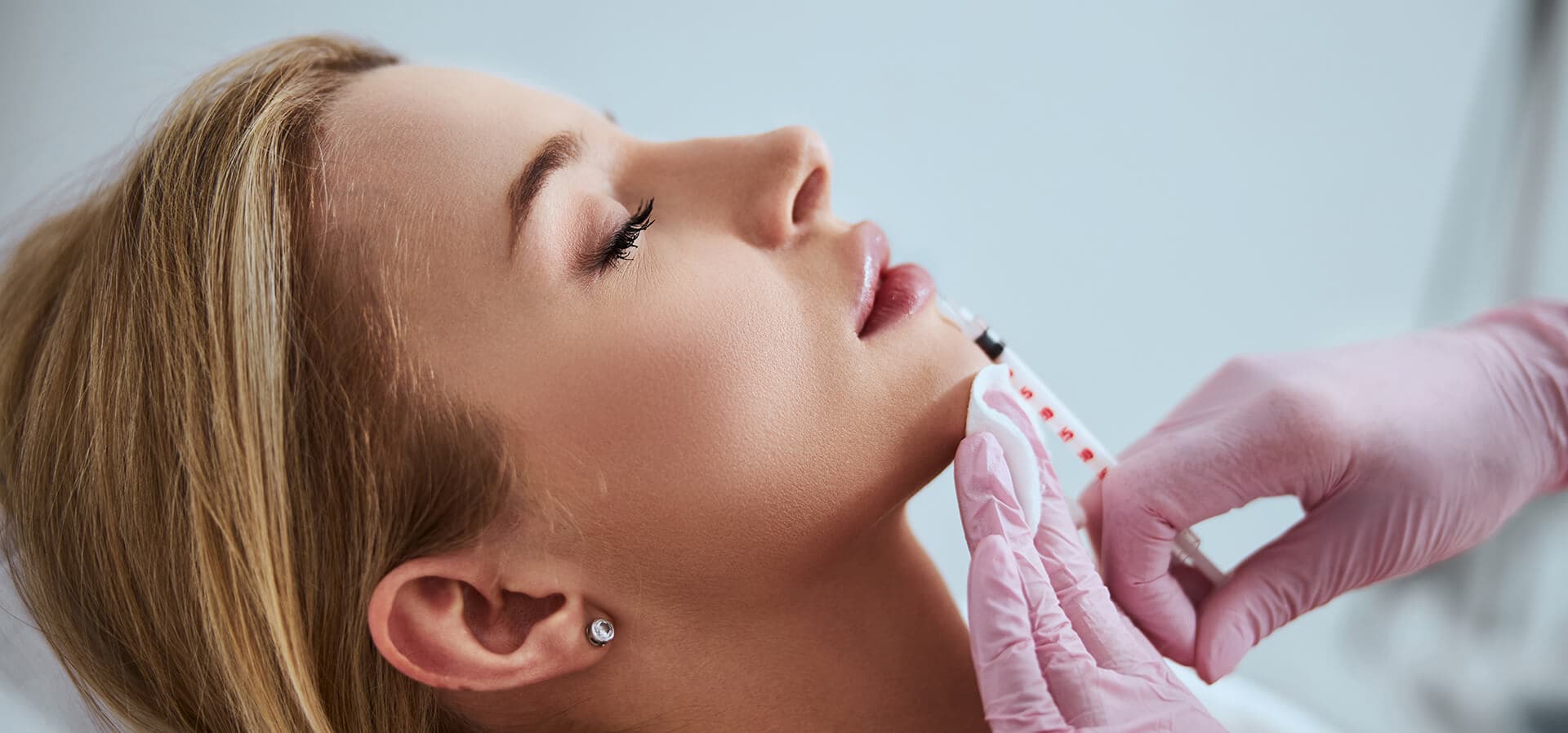
Men usually arrive with three objections rather than a question: that it will be obvious, that it commits them to something ongoing, and that they cannot afford to look strange at work on Monday. The short answers are that filler adds structure rather than fullness and the brief is yours to set, that hyaluronic acid fillers fade over months and can also be dissolved on purpose, and that most people are fully recovered within one to two days.
The longer answers are worth having, because none of this is decided by a brochure. It is decided in an examination room, about your face.
What do men typically come in for?
Definition, far more often than volume for its own sake. A jawline that has softened, a chin that reads as slightly receding in photographs, a midface that has flattened enough to look tired on a day when you are not.
Those are genuine uses. Placed along the jawline or at the chin, filler can sharpen a contour in controlled amounts, and cheeks and temples that have lost fat and bone support can have that support put back directly. That last point is why a face treated well tends to look rested rather than merely smoothed — the structure underneath has been restored, rather than the surface worked on.
If your ask is "I want to look like I sleep eight hours" rather than "I want to look younger", say it in those words. It is a more useful brief than any before-and-after photograph.
Will people be able to tell?
They will notice something has changed if too much has been placed, or if volume was added when the actual problem was movement. That is the mechanism behind every overdone face you have seen, and it is a planning error rather than a property of the treatment.
Which is why the first part of the appointment matters more than the injection. The doctor's job is to sort what is bothering you into volume loss, movement, or skin quality, and to say so if filler is the wrong tool. Lines that only show up when you frown belong to muscle movement and are what a wrinkle relaxer is for. Loose tissue in the lower face is a different problem again, where a thread lift may be the relevant option. Reaching for filler on either of those is how results start looking done.
Volume, product and injection plane are prescribed by the doctor for your face. You are entitled to say plainly that you want the change to be underplayed, and a good consultation will hold you to that rather than upsell past it.
Is there a different technique for men?
Not a separate protocol, no — and be sceptical of anyone selling one. The treatment runs the same way whoever is in the chair: assessment first, anaesthetic cream left on for 30 to 45 minutes, injection points marked, then the gel placed. The injection itself takes around 15 minutes, or up to an hour where several areas are involved.
What varies is not male or female but face and goal. Volume is decided site by site, and the doctor's knowledge of the anatomy at each injection point is the factor that most determines how the result turns out. That is true regardless of who you are.
Can I be at work on Monday?
Usually, with sensible scheduling. Swelling and redness in the first hours to days are very common, particularly around lips and eyes, and typically settle inside one to two days. Most people recover fully in that window.
Bruising at the injection site is a normal possibility and generally clears within a few days. Worth flagging for men specifically: if you do not own concealer and have no intention of starting, your only lever is the calendar. Plan for a clear stretch — a fortnight before anything with a photographer, not the Friday before a Monday keynote.
Blood thinners and fish oil both make bruising more likely, so disclose everything you take, prescription and supplement alike. Never stop a prescribed medicine yourself to prepare for a cosmetic appointment; tell the doctor and let them decide. Alcohol, smoking and strenuous exercise are also worth pausing around the appointment, which for most men means moving gym day rather than skipping the week.
Am I signing up for something permanent?
No, in two separate senses.
Filler metabolises. Depending on the product, the area and your own body, the effect holds roughly six months to two years, then your face drifts back to where it started. Doing nothing further is a complete and available option.
And it can be removed deliberately. Most fillers used in cosmetic work are hyaluronic acid based, which means an enzyme injection can dissolve them if you are unhappy with the result. Confirm at consultation that the product in your plan is one of those, and that the clinic keeps the reversal agent on site.
For anyone whose real hesitation is commitment rather than appearance, that reversibility is usually the fact that settles it.
What does it cost, and how is that worked out?
Treatment starts from ₹14,999 per treatment. Fillers come in pre-filled syringes, usually one millilitre, and the plan is written in those units — how many depends on the area and on how much support has actually been lost, so a jawline and a lip are rarely the same figure. Whatever your plan comes to is confirmed with you before any box is opened, and the sealed box should be opened in front of you so you can check the product against what was agreed.
The consultation is ₹500, waived against treatment.
What are the risks worth knowing?
Beyond the swelling, redness and bruising already covered, occasional unevenness can show up in the first days as the product settles. Report it rather than pressing on it yourself; hyaluronic acid can be adjusted or dissolved properly.
The serious ones are rare but real with any filler anywhere: infection, allergic reaction, and blockage of a blood vessel. They are the reason this should be done by a doctor who can recognise and manage them, in a clinic stocked to handle it. Price-shopping this particular treatment is a poor trade.
When is the answer no?
When nothing structural has changed. There is no age at which fillers become appropriate — it depends on what has actually altered in your face, not on your birthday, and a doctor should tell you honestly when the answer is that you do not need this yet.
Read the dermal fillers page for what the treatment involves, then book an appointment and describe the result you want in your own words, including how much you would rather nobody noticed.