
Planning Dermal Fillers Before Your Wedding: The Bride's Runway
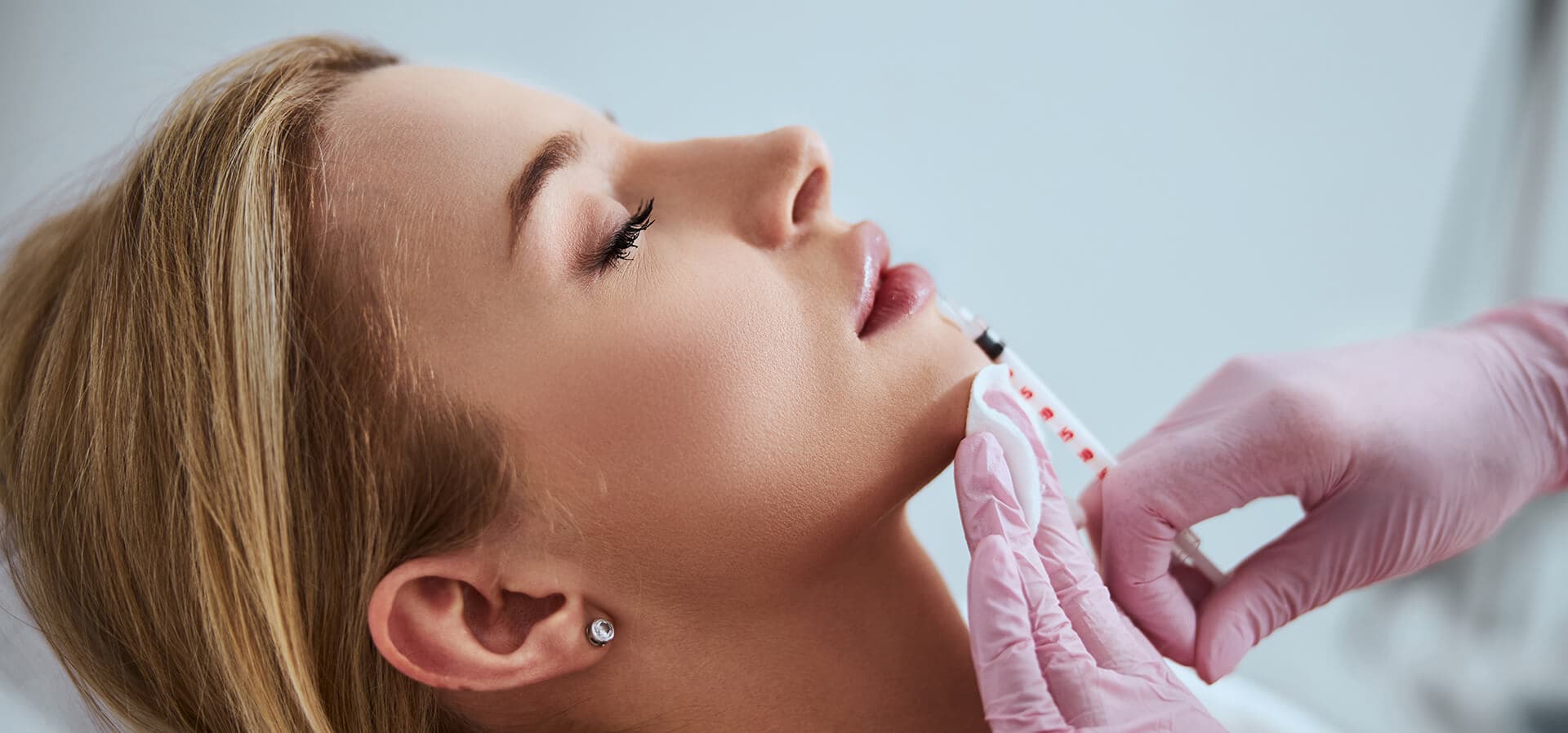
Book fillers with room to spare, not with room to settle. The gel itself reaches its final appearance at one to two days, and most people recover fully inside two — but if anything needs adjusting, you need a review, a second appointment and a second settling period after it. Building the timeline around correction rather than around swelling is what keeps the week of the wedding uneventful.
Almost every bridal filler story that ends badly ends the same way: the treatment was fine, the timeline was not. Since dermal fillers last roughly six months to two years, there is no advantage whatsoever in leaving it late — an appointment several months out is still working perfectly on the day. Below is the runway, counted backwards.
Six months or more out: decide whether you want this at all
This is where a first-time filler belongs. Not because the treatment needs six months, but because you might.
The consultation establishes something more basic than a date. The doctor works out whether what is bothering you is volume, movement or skin quality, because those are three different problems with three different answers, and a filler solves only the first. There is no set age for starting; it depends on what has actually changed in your face rather than on a birthday. A doctor should tell you honestly if a filler is not the right answer to your concern yet — and a wedding is an especially poor reason to override that.
If you have never had filler before, this is also the point to have your first treatment. A first appointment tells you how you personally swell, how readily you bruise, and whether you like the look on your own face rather than on somebody else's. That information is worth having long before it matters.
Three months out: settle the plan and the areas
By now the decision should have narrowed from "fillers" to something specific — cheeks, the folds running from nose to mouth, jawline, chin, lips — because those are separate jobs with separate products. Filler families make area-specific gels; something formulated for lips is not what goes into a jawline.
This is also the point to work out whether the plan involves more than one treatment. Volume is one problem; expression lines are another, and those belong to a wrinkle relaxer such as Botox rather than to a filler. Tissue that has genuinely descended is different again, and a thread lift addresses it on a different principle. A bridal plan that combines treatments needs sequencing, and sequencing needs lead time.
Tell your doctor the date. It changes their advice.
Six to eight weeks out: a sensible target for the main appointment
Here is the arithmetic that produces the buffer.
Your filler is placed. Swelling and redness are common in the first hours to days and settle within one to two. You judge the result at one to two days, not before. Then the result is formally reviewed once it has settled over the following days.
If that review finds an unevenness — product occasionally sits slightly irregularly early on — hyaluronic acid can be adjusted, or dissolved with an enzyme injection if it comes to that. But each of those is another appointment, followed by another settling period. Stack them end to end and you want weeks of margin, not days.
A treatment that goes perfectly needs almost no runway. You are not planning for that one.
Practical note for the day: numbing cream stays on for thirty to forty-five minutes and the injection takes from about fifteen minutes to an hour depending on how many areas are treated. Plan a couple of hours in the clinic, and do not schedule a fitting immediately afterwards.
The final month: what to stop doing
Nothing new. That is the whole rule, and it is worth stating bluntly.
Do not have a first-ever filler in the final month. Do not add an area you have never had treated. Do not switch to a different product because someone recommended it. Every one of those introduces an unknown at exactly the point in the calendar where you have no room to respond to it.
If you have had filler before, are happy with it, and are topping up something familiar, that is a conversation to have with your doctor rather than a rule this page can settle — but the burden of proof sits with going ahead, not with waiting.
The final fortnight: protect the bruise budget
Bruising at an injection site is a normal possibility and generally resolves within a few days. It is more likely if you take blood thinners or fish oil, and around any appointment you are asked to avoid alcohol, smoking, strenuous exercise and fish oil.
The bridal-specific point is that the fortnight before a wedding is when most people are doing more of all of those, not less — late nights, celebrations, a supplement regime started in a burst of enthusiasm. If a treatment is happening anywhere near this window, that list stops being generic advice and starts being the difference between a clean week and a concealed one.
The final week: leave your face alone
No new injectables. If a small lump turns up from an earlier treatment, ring the clinic and let them look at it — do not massage or press it yourself, which irritates the tissue and makes it harder for anyone to assess.
And do not let the calendar talk you into a rescue appointment. Something placed days before a wedding has no window to settle, be reviewed or be adjusted, which are the three things that make filler a controllable treatment rather than a gamble.
Should the groom, mother or bridal party follow the same runway?
The same logic applies to anyone in the photographs, with one addition: they often decide later than the bride and then compress the timeline to catch up. The runway does not shorten because the decision was made late. If someone comes to it eight weeks out, the honest options are a plan that fits in eight weeks or no plan at all — not the same plan hurried.
What it costs, and when to start
Fillers start from ₹14,999 per treatment, and how much you need is settled after your face has been examined rather than estimated in advance. The consultation is ₹500, waived against treatment.
If your date is in the next year, the useful thing to do now is the consultation, not the treatment — it costs you an hour and it tells you whether there is anything worth planning around. Book an appointment at our Indiranagar or Bellandur clinic, and bring the date with you.