
Dermal Fillers Aftercare: The First Week, Day by Day
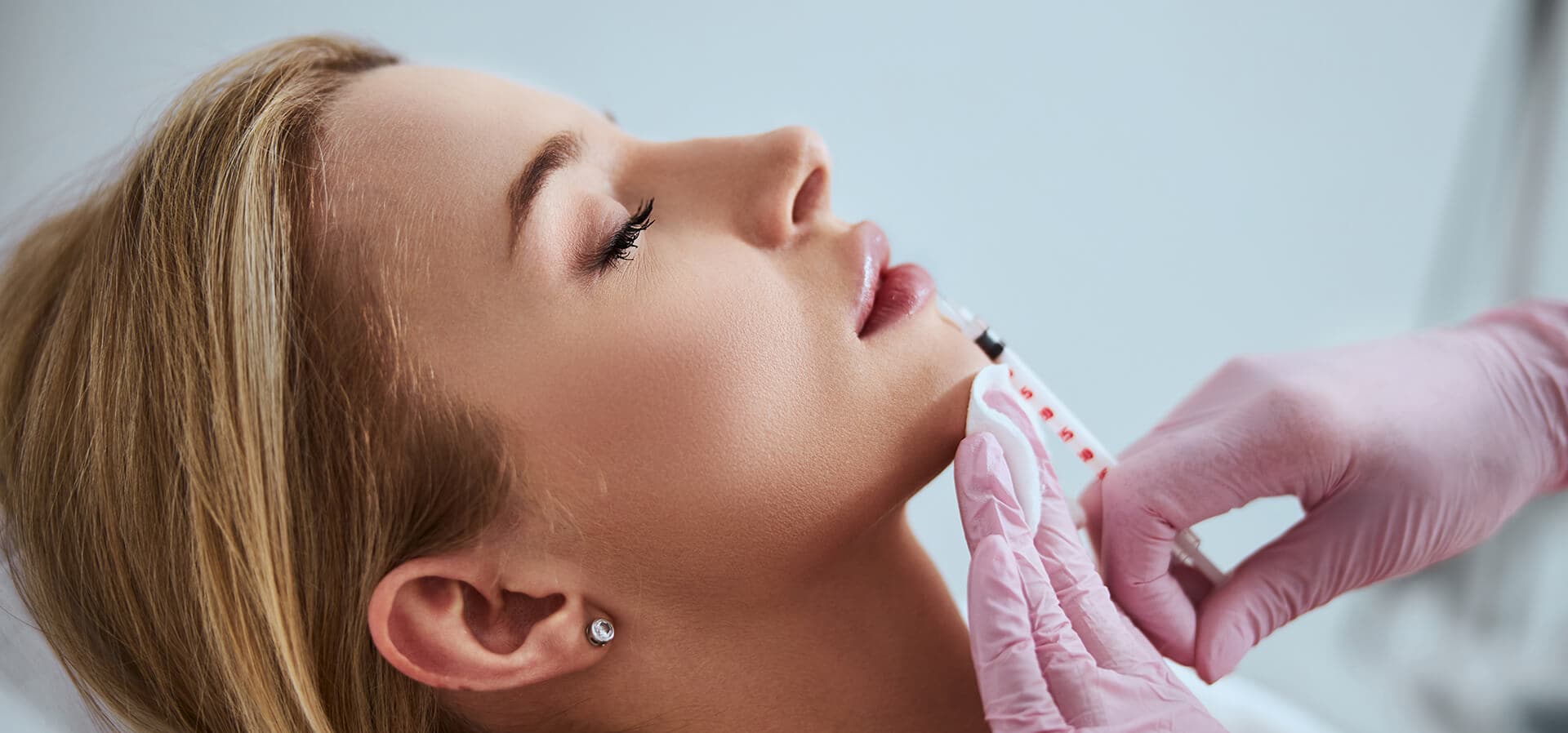
Aftercare for a filler is short and mostly negative — things to leave alone rather than things to apply. Ice for the swelling, no alcohol, no smoking, no strenuous exercise and no fish oil around the appointment, no pressing or massaging any lump you find, and no verdict on the result until it has settled at one to two days. Most people are fully recovered inside two days.
That is the whole of it, and it is worth expanding only because each of those instructions has a reason behind it, and instructions with reasons attached get followed. Below is how the week after dermal fillers usually goes. Where your own doctor's instructions differ, follow theirs — they saw your face and this page did not.
What happens on the day itself?
Ice, and then home. Before you leave, ice is applied to whatever has started to swell, your aftercare is explained, and you should know who to telephone if something concerns you.
Expect the treated area to look busier than the result you were shown at the end of the injection. Swelling and redness are very common in the first hours and are at their most obvious around the lips and eyes, where the tissue is thin and reacts readily. If you had lip filler and it looks alarming in the car, that is the tissue, not the plan.
Leave alcohol alone that evening. It is on the avoid list around your appointment for the same reason blood thinners and fish oil are — anything that makes you bruise more easily gives you a worse week than you needed.
What about day one and day two?
These are the days the swelling comes down and the result becomes readable. The final outcome is there at one to two days, and that is the point to judge it — not on the sofa the first night. Ice remains useful for swelling.
Bruising, if it turns up, usually announces itself now rather than on the day. It is a normal possibility at any injection site and generally resolves within a few days. It is more likely if you take blood thinners or fish oil, which is why fish oil is on the list to pause around the appointment.
Keep skipping strenuous exercise. A hard workout raises blood pressure and flushes the face, neither of which helps something that is currently trying to stop swelling. Smoking is on the same list.
Most people find they are essentially back to normal by the end of day two.
When should I actually look in the mirror and decide?
At one to two days, once the swelling has gone. Judging a filler on day zero is the single commonest way to be unnecessarily worried by a perfectly good result, and it is also how people talk themselves into asking for changes they will not want a week later.
If you photograph yourself — plenty of people do — take the picture in the same light and at the same angle each time. Different lighting will show you two completely different faces and tell you nothing.
What do I do if I find a small lump?
Tell your doctor. Do not press it, roll it or massage it yourself.
Product occasionally settles unevenly in the first days. It is a known and manageable thing: hyaluronic acid fillers can be adjusted, and if it comes to it they can be dissolved with an enzyme injection. What makes it harder to manage is a patient who has spent three days kneading the area, because the tissue is then irritated and nobody can tell what is product and what is swelling from the massaging.
Ring, describe it, and let the review appointment do its job.
What should I be watching for in the first week?
Ordinary recovery is swelling, redness, bruising and tenderness, all of them short-lived. Set against that, three things are rare but serious: infection, an allergic reaction, and blockage of a blood vessel. They are precisely why this treatment is doctor-only here and why the clinic stocks the reversal agent.
You do not need to memorise a list of signs. You need one rule: if something feels wrong — severe or increasing pain, or a change in the colour of the skin over the treated area — telephone the clinic rather than waiting to see whether it settles. A call that turns out to be nothing costs you five minutes. The other kind of mistake is more expensive.
Days three to seven — what is left to do?
Mostly, very little. By now the swelling should have gone and any bruise should be fading. Tenderness at an injection point tends to be the last thing to leave.
Two things are still worth attention. First, the review: the result is formally assessed once it has settled over the following days, and that appointment is where an unevenness gets sorted out rather than lived with. Take it even if you are pleased, because it is easier to make a small adjustment early than to raise it at your next treatment in a year's time.
Second, keep noticing rather than fixing. If a bruise is stubborn or an area still looks fuller on one side at the end of the week, that is a note for your doctor at the review, not a reason to start intervening at home.
Is filler aftercare different from other injectable aftercare?
Yes, and it is worth saying because the instructions get muddled. Aftercare following Botox is aimed at a substance that diffuses through muscle, so the concerns there are different from a gel that has been placed in a specific spot. After a thread lift you are asked to avoid facial massage and sleeping face-down for the first week, because there are threads holding tissue in a new position — a genuinely different mechanical situation from a filler.
The overlap is real but partial, and borrowing someone else's aftercare from a forum is how people end up following a rule that does not apply to them while missing one that does.
When does the result stop changing?
Once it has settled at one to two days, what you have is what you have. From there the question is duration rather than change: a filler lasts roughly six months to two years depending on the gel, the area treated and your own metabolism. Your doctor will give you a realistic expectation for your specific plan at the review.
Anything to plan for next time?
Two things. Book so that the settling window falls somewhere comfortable rather than the day before something you care about. And mention, before the appointment rather than after it, anything you take that thins the blood, fish oil included — that one conversation buys you a better week than any amount of aftercare afterwards.
If you would like a doctor to plan that properly with you, book an appointment at our Indiranagar or Bellandur clinic. The consultation is ₹500, waived against treatment.