
Dermal Fillers for New Mothers: Timing, Breastfeeding and What to Postpone
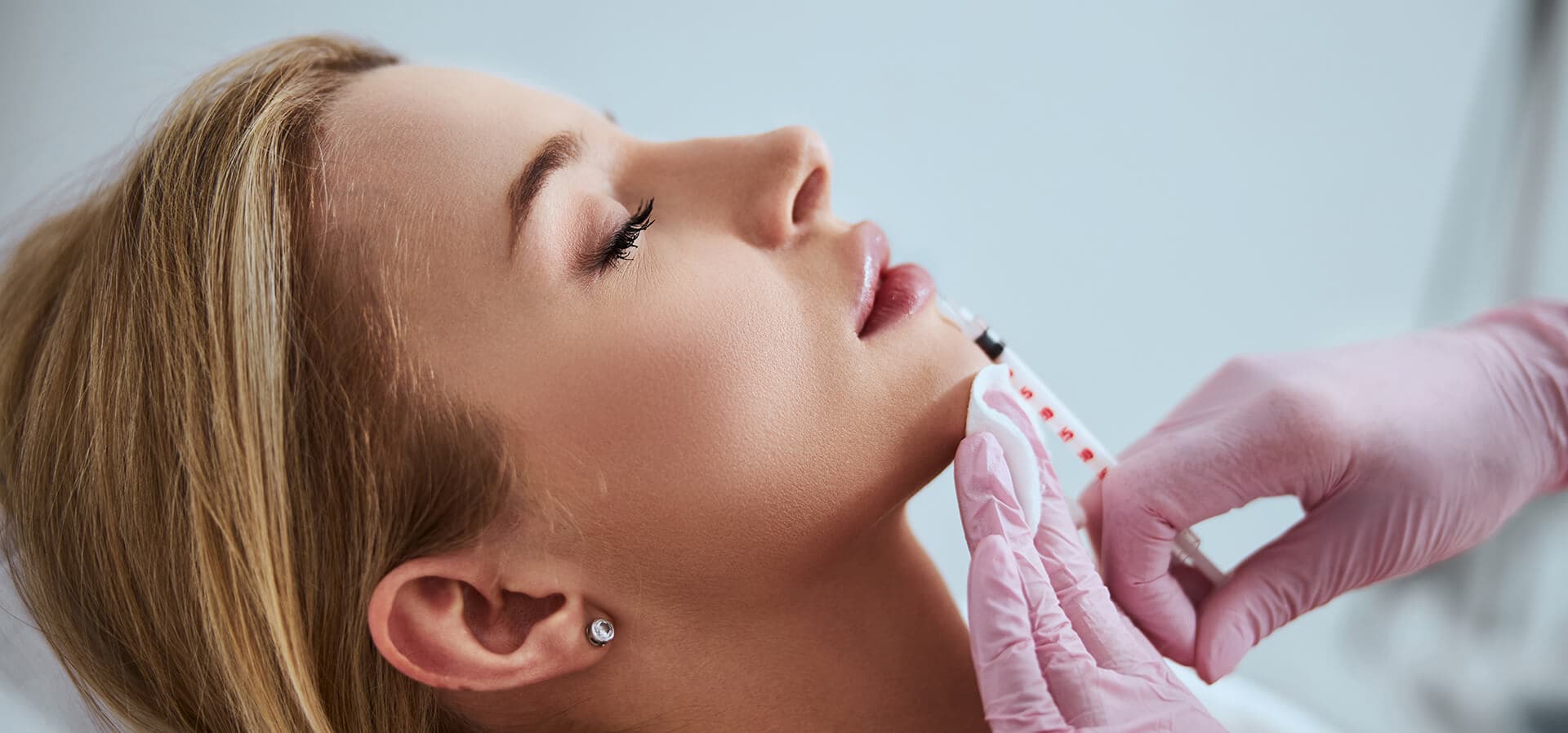
If you are pregnant or breastfeeding, say so at the very start of the consultation, before any plan is drawn up — it changes what can be offered and it is not a formality. Some injectable treatments at this clinic are explicitly not advised during pregnancy or breastfeeding, and whether a filler is appropriate for you at this point is a clinical judgement made after examination rather than a rule a page can hand you.
That is the honest opening, and everything below assumes it. What a page genuinely can help with is the practical shape of the thing: how long an appointment actually takes when you have a baby to plan around, the one supplement that quietly makes bruising more likely, and which parts of the idea are worth postponing.
Is there a waiting period after having a baby?
There is no fixed number to give you, and any article quoting one has made it up. What determines readiness is what has actually changed in your face — there is no set age or milestone at which dermal fillers become appropriate, and the assessment is of your face rather than of the calendar.
The consultation is a real filter here, not a formality before booking. The doctor establishes whether your concern is volume loss, movement, or skin quality, because those are three different problems and a filler addresses only the first. And you should be told plainly if a filler is not the right answer to your concern yet. For a new mother, that "yet" is doing more work than usual — this is a period in which a good deal is still in flux, and whether the change you are looking at has settled is something to be examined, not assumed by either of us.
If you leave the consultation having been told to come back in a few months, that is the system working.
Can I have fillers while breastfeeding?
Ask, at the start. This is not something to establish by reading, including by reading this.
Two things are worth knowing before that conversation. The first is that this clinic does set explicit limits of this kind on other injectables — a thread lift, for instance, is not advised during pregnancy or breastfeeding. So the question is one your doctor takes seriously and answers specifically, rather than waving away.
The second is that anything a clinic tells you about your own situation overrides a general statement, in either direction. Bring the question, bring what you are taking, and let the answer be about you.
Is what I am seeing even a filler problem?
Worth separating out, because the three commonest new-mother complaints point in three different directions.
A face that looks tired is not automatically a face short of volume. Lines that appear only when you frown or smile are made by muscle, and the treatment for those is a wrinkle relaxer such as Botox, not a gel. Creases that stay put on a completely still face — the folds from nose to mouth being the usual one — are a support problem, and that is what a filler addresses. Flattened cheeks or temples, likewise: cheeks lose fat and bone support and filler replaces that structure directly, which is why the face can read as rested rather than merely smoother.
Getting this right is not pedantry. Applying the wrong tool to the right problem is precisely what produces a result that looks done, and that is the outcome most people in this position are trying hardest to avoid.
The fish oil problem
This is the practical point most worth carrying away, because it applies to a very large share of new mothers and almost nobody connects it.
Bruising at an injection site is a normal possibility, and it is more likely if you take blood thinners or fish oil. Around any filler appointment you are asked to avoid alcohol, smoking, strenuous exercise and fish oil. Omega-3 supplements are widely taken through pregnancy and after it, often as part of a prenatal regime nobody has thought about in months.
So make a list of everything you are currently taking — supplements included, not just prescriptions — and hand it over before the appointment rather than at it. It is a two-minute conversation that changes how your week looks.
How much time does this actually take?
Realistically, budget a couple of hours in the clinic. Numbing cream goes on and stays on for thirty to forty-five minutes, and the injection itself runs from about fifteen minutes to an hour depending on how many areas are being treated. Then ice, and aftercare explained.
Afterwards, swelling and redness are common in the first hours to days and are most noticeable around the lips and eyes; ice helps and it typically settles within one to two days. The final result is there at one to two days, which is also when you should judge it. Most people recover fully in that same window.
There is one more appointment to allow for: the result is reviewed once it has settled over the following days. That review is where a small unevenness gets sorted, so it is not the one to skip when the week gets complicated.
Two appointments and a settling window is a modest ask in the abstract and a substantial one at four months postpartum. Worth planning honestly rather than optimistically.
What is worth postponing?
Anything you are considering because of how the last year has felt rather than because of something specific you can point at in the mirror. That is not a clinical instruction — it is an observation about a period when decisions get made under a particular kind of pressure, and a treatment lasting six months to two years does not need to be decided this week.
Also postpone anything you cannot give a settling window to. And if you are planning another pregnancy soon, say so, because it belongs in the same conversation as everything else.
Reassurance worth knowing
Most fillers used are hyaluronic acid based, which means they can be dissolved with an enzyme injection if the result is not what you wanted. Ask about it at consultation. If a lump appears in the first days, report it rather than massaging it yourself — it can be adjusted.
The rarer risks are real and should be stated: infection, allergic reaction and blockage of a blood vessel are uncommon but serious, which is why this is a doctor-only treatment here, in a clinic that stocks the reversal agent.
What it costs
Fillers start from ₹14,999 per treatment, with the quantity settled after examination rather than in advance. The consultation is ₹500, waived against treatment — so if the answer turns out to be "not now", it has cost you an hour and ₹500 to find out from a doctor rather than from the internet.
To have that conversation, book an appointment at our Indiranagar or Bellandur clinic, and mention at the time of booking if you are pregnant or breastfeeding.