
Combining Scaling & Polishing and Teeth Whitening: Order, Spacing and Why
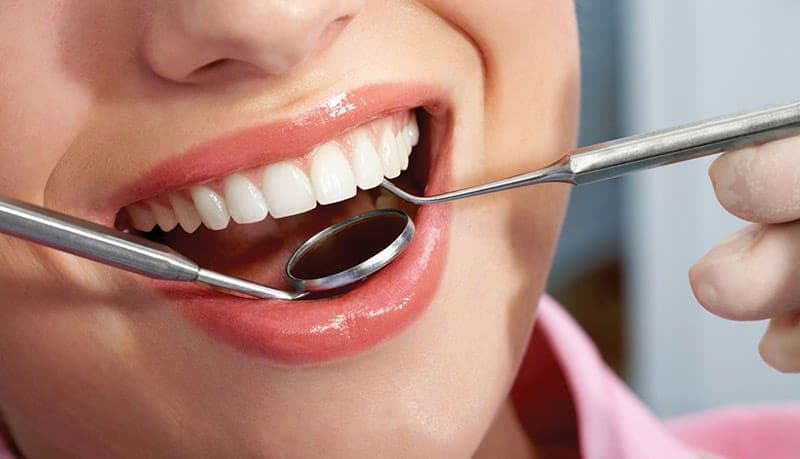
Scaling and polishing comes first, then whitening. The reason is not scheduling convenience: a peroxide gel has to sit against clean enamel to lighten it evenly, and hardened tartar and surface stain are in the way. The gap between the two appointments is set by your dentist after examining your gums, rather than being a fixed number of weeks.
That single sentence settles most of the confusion, but it does not explain why so many people book teeth whitening and leave the first appointment having had a scaling and polishing instead — or why a fair number of them decide, once the cleaning is done, that they no longer need the whitening at all. The two procedures change different things, and knowing which is which is the difference between spending on the right one and being quietly disappointed by the wrong one.
Why does scaling and polishing have to come first?
Because the whitening gel works on enamel, and it cannot work on enamel it cannot reach. Scaling removes the plaque and hardened tartar that a toothbrush cannot shift, particularly along and just under the gumline. Polishing then smooths the tooth surfaces and lifts surface staining. Only after that is the enamel actually exposed to whatever is applied to it.
The whitening protocol treats this as a prerequisite rather than a suggestion. Before any gel goes on, there is a consultation and a dental examination to confirm the teeth and gums are healthy enough for whitening, to identify what is causing the discolouration, and to check for decay, exposed root surfaces, or existing crowns and fillings that will not change colour. A scaling and polishing is usually done as part of that preparation, so the gel contacts clean enamel.
There is a safety layer to this too, and it is the part patients tend not to anticipate. That pre-treatment examination catches decay, cracks or exposed roots. Bleaching over any of those causes real pain, which is why the check is not a formality. Skipping straight to the cosmetic step means skipping the appointment that would have found the problem.
Will the cleaning alone make my teeth white enough?
Sometimes, and this is worth knowing before you commit to both. Polishing removes discolouration left by tea, coffee, tobacco and pigmented foods, so teeth look cleaner and closer to their natural shade. For someone whose complaint is years of filter coffee and chai leaving a dull film, that can be most of the problem solved.
What it does not do is change the natural underlying shade of the enamel. That is what whitening does — a peroxide-based gel works into the enamel to break down pigment from tea, coffee, tobacco and pigmented foods, rather than scrubbing the surface. Whitening toothpastes fall on the polishing side of that line: they are mildly abrasive and work on surface stain only, without enough active agent to change the underlying shade. If months of a whitening toothpaste did nothing for you, that is the reason.
So the honest sequence for most people is: have the cleaning, look at the result in daylight, and then decide about whitening. A great many patients discover the stain was on the surface all along.
How long should I leave between the two appointments?
There is no universal interval, and any article that gives you one in weeks is making it up. Your dentist sets the gap at the assessment, based on what your gums look like on the day.
What drives the decision is straightforward. Scaling leaves teeth feeling sensitive to cold for a few days, particularly where tartar had been covering exposed root surfaces, and it usually settles on its own. Gums that were already inflamed often bleed during the appointment and feel sore briefly afterwards, settling as the inflammation resolves. Whitening's most common side effect is tooth sensitivity, and its second is brief gum soreness if any gel contacts soft tissue. Layering the second on top of the first while everything is still tender is uncomfortable for no clinical gain — and whitening is only appropriate once the gums are healthy enough for it in the first place.
If your gums were in good shape and the cleaning was routine, the wait may be short. If there was significant inflammation, the dentist will want it resolved before bleaching anything. Ask at the consultation — the answer is specific to your mouth, not to the procedure.
What does the full sequence look like, appointment by appointment?
Scaling and polishing is usually a single appointment: an examination of teeth and gums for plaque, tartar, bleeding and any signs of gum disease or decay; scaling to remove the hardened deposits from the tooth surfaces and from along and just below the gumline; polishing to smooth the surfaces and lift discolouration, which also makes it harder for plaque to re-adhere; and guidance on the areas you are missing at home, with a review interval set to your own risk rather than a default. It needs no anaesthesia for most people, though numbing is available if you are sensitive, and there is no downtime — you can eat and go back to work the same day.
Whitening is usually one in-clinic session, sometimes two. The teeth are cleaned of surface debris and the gums are isolated and protected, then a hydrogen peroxide or carbamide peroxide gel is applied to the enamel — in some protocols with a light to activate it — and monitored, with reapplication as needed to reach a shade agreed with you beforehand. There is no downtime here either, though strongly staining foods and drinks are avoided for the first couple of days while the enamel rehydrates. A review appointment checks the result.
What if I have crowns, fillings or veneers in my smile line?
This changes the plan, and it is the single most common source of disappointment when it is not raised early. Whitening only affects natural enamel. Crowns, veneers and tooth-coloured fillings do not bleach, so if you have visible restorations they can end up looking darker than the teeth around them and may need replacing to match the new shade.
That is a sequencing conversation, not a reason to abandon the idea — often the restorations are replaced afterwards, once the final shade of the natural teeth is known. But it has to be discussed at the assessment, because replacing a front crown is a different order of commitment from a whitening session.
Similarly, not every discolouration responds to external bleaching. Staining from tetracycline, fluorosis, trauma or a dead nerve responds poorly or unevenly. Your dentist will say so at the assessment rather than after, which is again an argument for having the examination before you have your hopes set on a shade.
Does the order change if my gums are already bleeding?
The order does not change, but the priority does. Bleeding gums are usually a sign of inflammation from plaque — and the cleaning is the appointment that addresses it, rather than the whitening. Tartar sitting along the gumline keeps bacteria in contact with the gum, and removing it is the most effective way to stop gingivitis progressing into something that threatens the supporting bone.
If bleeding does not settle after a cleaning and good home care, that warrants an examination rather than another mouthwash. Contact the clinic rather than waiting for the next routine visit.
Do mention any heart condition, implanted device, bleeding disorder, or medication you take, and tell your dentist if you are pregnant or breastfeeding, so the appointment can be adjusted appropriately. Routine cleaning is generally considered safe in pregnancy and gum inflammation is common then; elective cosmetic whitening is generally postponed until afterwards.
How do I keep the result once both are done?
Whitening lasts several months to a few years, depending heavily on diet, smoking and oral hygiene — a heavy tea, coffee or tobacco habit will shorten it considerably. Maintenance is unglamorous: good daily hygiene plus periodic professional cleaning, which for most people means every 6 to 12 months, shorter if you form tartar quickly, smoke, or have a history of gum disease.
Framed that way, the cleaning is not the tax you pay to get the whitening. It is the thing that keeps both your gums and the whitening result where you want them, and the whitening is the optional cosmetic layer on top.
If you are not sure which of the two you actually need, that is a reasonable thing to bring to a consultation rather than to guess at — an examination will tell you whether your discolouration is sitting on the surface or in the enamel. The consultation is ₹500, waived off against treatment.
Book an appointment and have the examination first; the order of everything else follows from what it finds.