
Chemical Peel Types Compared: Which One Actually Matches Your Skin Concern
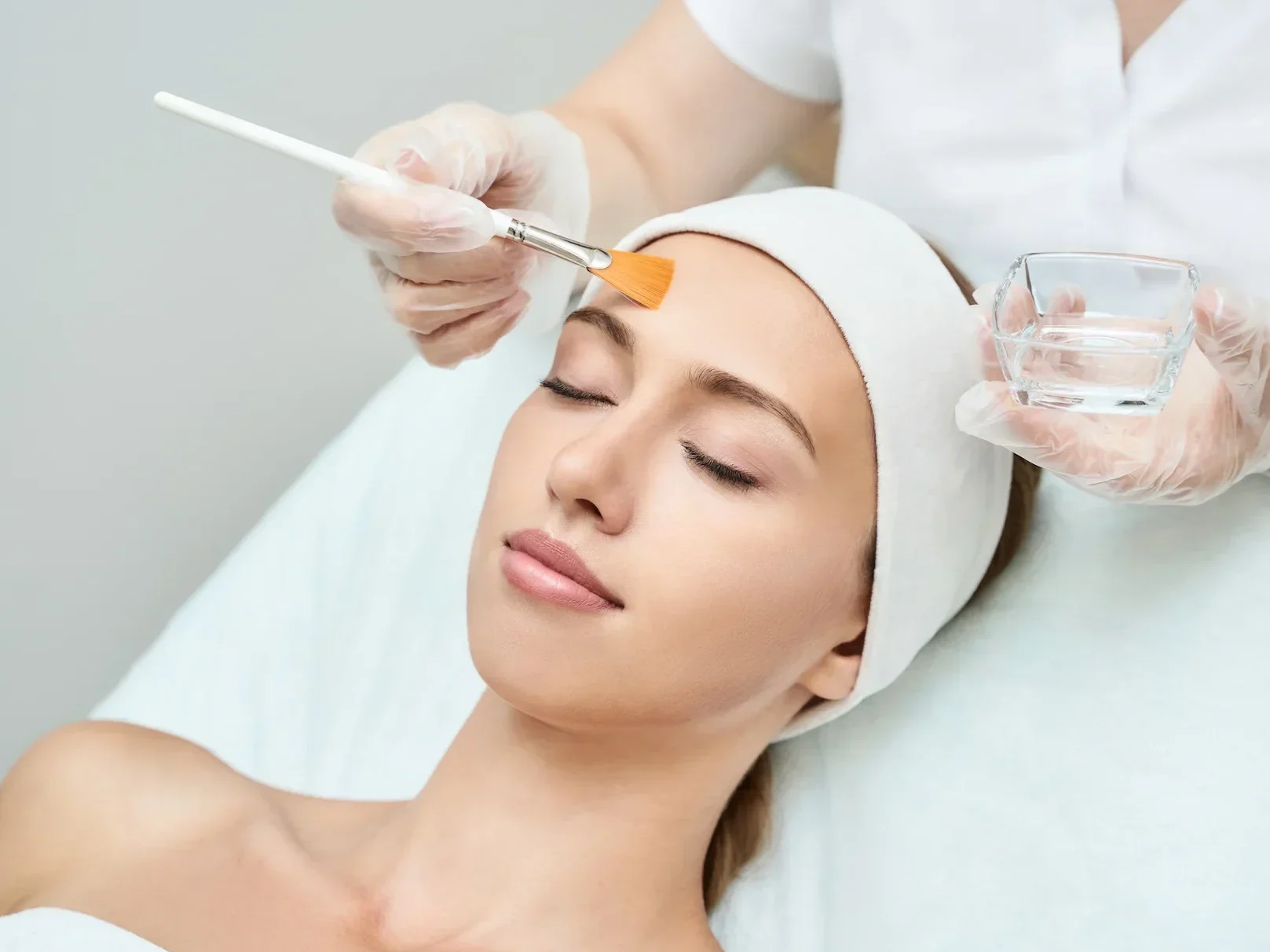
Every chemical peel does the same fundamental thing: a controlled solution lifts away the built-up layer of dead surface cells so fresher skin comes through, improving texture and the look of marks and fine lines. What separates one peel from another is the depth it works at and the solution used — and both of those are chosen by a doctor for your skin type, which is the part that decides whether a peel helps or backfires.
So the useful way to compare peels is not by brand name but by concern: what is each kind of peel actually good at? That is how a Chemical Peel consultation approaches it, and it is how this guide is organised — by the problem you are trying to solve, not by the label on the bottle.
Which peel is right for acne marks and uneven tone?
For shallow discolouration — the brown marks acne leaves behind, patchy tone, sun-dulled skin — the peels that matter are the ones that lift pigmented surface cells and encourage turnover underneath. Over a course, post-acne marks and other shallow discolouration read as lighter, and by speeding up cell turnover the peel improves the colour, clarity and brightness of the surface as a whole. Sun-dulled skin — which after a few years of two-wheeler commutes and terrace afternoons describes a lot of Bangalore — responds particularly visibly to this.
You will hear active names in this territory: glycolic acid comes up most often, and the yellow peel has become a frequently searched option too. Treat those names as conversation starters, not decisions. Which active, at which strength, for which skin — that is what the assessment settles, and two patients with the same complaint can leave with different peels for good reasons.
Which peel helps oily, breakout-prone skin?
Salicylic and other keratolytic peels are the workhorses here, because they do something the brightening peels do not: they clear the pore lining. For congested, oil-prone skin, that is what helps breakouts settle between sessions — the peel is not just resurfacing the top, it is addressing the blocked pores where breakouts begin.
If your main complaint is oiliness and congestion rather than the marks left afterwards, it is worth knowing this category exists, because many patients arrive assuming all peels are "brightening" treatments and rule themselves out. Oil-prone skin in a humid city has its own peel family — and adjacent options too: the Carbon Laser works the congestion problem by a different mechanism entirely, and a consultation will tell you which suits your skin's pattern better.
What about texture and fine lines?
Texture is the quickest win in the whole peel family. Removing the built-up dead layer is what makes skin feel and photograph smoother — and it is often the first change patients notice, after a single peel. If your skin looks fine on video calls but feels rough to your own fingertips, a superficial peel course is usually where the conversation starts.
Fine lines and shallow age spots are deeper work. Medium-depth peels prompt new collagen as the skin repairs, which softens their look over several treatments — a genuinely different mechanism from surface exfoliation, which is why depth matters so much in this comparison. For texture concerns that go beyond what a peel addresses, collagen-focused options like Microneedling with Dermapen sit next door in the toolkit, and the consultation sorts which side of that line your skin is on.
Why can't I just pick a peel off a menu?
Because a peel that is too strong for your skin type causes pigmentation rather than clearing it. That single fact is the whole argument for doctor-led peels, and it matters more on Indian skin than almost anywhere else: deeper pigmented skin is more prone to post-inflammatory pigmentation, which is precisely why the depth and solution are selected after an assessment — and a patch test, always, before the first full treatment. A peel chosen well solves the problem; a peel chosen off a price list can create the exact discolouration you came in to fix.
The depths on offer — superficial, medium and deep — are matched to your skin and concern at that assessment. The session itself is brief: the solution stays on for roughly 3 to 5 minutes, varying by peel. Downtime after a superficial peel is slight redness or flaking for a few days; deeper peels take longer to recover from, and your doctor will be specific about it before you commit. Following the aftercare — sunscreen, no picking, no scrubs — shortens recovery noticeably.
How many sessions, and do results last?
Superficial peels are usually repeated several times over a few months to build a result; medium and deep peels need fewer sessions. Your doctor sets the schedule at consultation based on your concern and skin type — which means the honest answer to "how many will I need" exists only after someone has looked at your skin.
Results are long-lasting rather than permanent, ranging from months to years depending on the depth of the peel — and sun protection is the main thing that decides where in that range you land. In a city with this much year-round UV, the sunscreen habit is not aftercare advice so much as the other half of the treatment.
Let the assessment pick the peel
If you have been comparing peel names online — glycolic versus salicylic versus yellow — the practical move is to stop comparing and get assessed. Book a consultation at The Aesthetic Edge, Indiranagar or Bellandur, and a doctor will look at your skin, match the concern to the right peel family and depth, run the patch test, and give you a session plan with honest numbers before anything touches your face.