
Bridal Skin Prep: A Realistic Month-by-Month Timeline
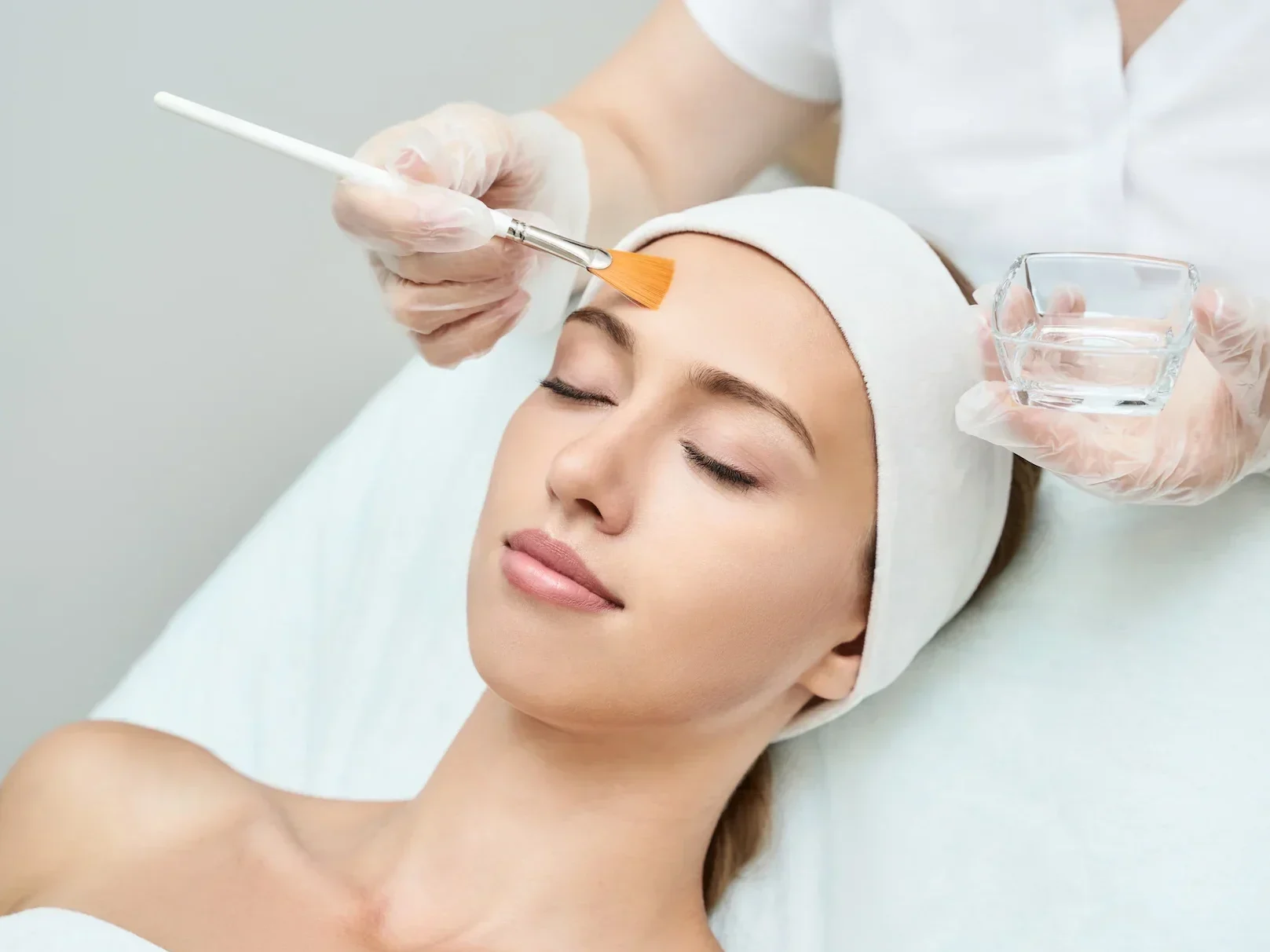
Start the treatments that genuinely change your skin several months before the wedding, and treat the final weeks as time for your skin to settle rather than time to try something new. A course of superficial peels, for instance, is repeated several times over a few months to build a result — which is a timeline, not a preference, and it is the single fact that should shape your whole calendar.
Almost every bridal skin regret we hear traces back to the same thing: starting late and then trying to compress a months-long process into three weeks. The good news is that the fix costs nothing except booking an assessment earlier.
Why do peels need so much lead time?
Because the result is built across a course rather than delivered in one visit. Superficial peels are usually repeated several times over a few months. Medium and deep peels need fewer sessions, but they are also not something to attempt close to a date.
A Chemical Peel uses a controlled solution to lift away dead surface cells so fresher skin comes through, improving texture and the look of marks and fine lines. Texture is often the first change people notice, sometimes after a single peel. Post-acne marks and other shallow discolouration read as lighter over a course, and medium-depth peels prompt new collagen as the skin repairs, which softens fine lines across several treatments.
There is also a mandatory step before any of it: a patch test, always, before the first full treatment. That alone means the first appointment cannot be the first treatment, which is worth knowing before you count backwards from your date.
What actually decides whether a peel helps or backfires?
The depth and the solution, chosen by a doctor for your skin type. This is the part that matters most and the part most often skipped.
A peel that is too strong for your skin causes pigmentation rather than clearing it. For deeper pigmented skin — which is most of our patients — the risk of post-inflammatory pigmentation is precisely why the peel is selected after an assessment rather than picked off a menu. Peels are suitable for Indian skin when that selection is done properly and a patch test comes first.
If you take one thing from this article into a consultation, make it this question: what depth and solution are you choosing for my skin, and why. A clinic that answers it properly is doing the work.
The shape of a sensible timeline
Six months out or earlier, if you have the runway. Book the assessment. Not the treatment — the assessment. This is when a doctor looks at your skin, decides what is realistic, and sets a schedule. Starting here means a peel course can run at its natural pace instead of being rushed.
The months in the middle. This is where the work happens. A superficial peel course runs across these months, with each session spaced as your doctor schedules it. Expect slight redness or flaking for a few days after a superficial peel, which is entirely manageable when the date is far away and genuinely inconvenient when it is not.
Aftercare belongs here too, and it is not optional: sunscreen, no picking, no scrubs. Following it shortens recovery noticeably.
The final weeks. This is settling time. Nothing new, nothing stronger, nothing you have not tolerated before. If your skin is going to react to something, you want that to happen with months to spare, not days.
This is also the stage where the specifics belong to your doctor rather than to an article. Hydra Medi Facials and Skin Boosters each have their own pages, their own protocols and their own timing, and where they sit in your calendar is a decision for the consultation that knows your skin and your date. Any schedule that gets handed to every bride identically is not a schedule, it is a template.
What about after the wedding?
Peel results are long-lasting rather than permanent, ranging from months to years depending on the depth. Sun protection is the main thing deciding where in that range you land.
That matters more here than it might elsewhere. Bangalore's UV load runs steadily through the year rather than in a season, and a good deal of the wedding itself tends to happen outdoors — mandaps, terrace receptions, photographs at the hour the light is nicest and the sun is strongest. The clarity a peel course gives you holds for longer if sunscreen survives the wedding rather than getting packed away with the outfits.
Peels also improve the colour, clarity and brightness of the surface, which is particularly noticeable on sun-dulled skin — the kind most of us have after enough months of commuting through this city.
If your skin is breakout-prone
Say so early, and say it plainly. Salicylic and other keratolytic peels clear the pore lining, which helps congested, breakout-prone skin settle between sessions. Whether that is the right route for you is again a decision made at assessment rather than from a description.
The timing logic does not change. Congested skin settling over a course is a months-long process, and the weeks before a wedding are the worst possible moment to start experimenting with it.
Book the assessment, not the treatment
The most useful thing you can do today is get your skin looked at and a schedule written down, even if the wedding is comfortably far away. Everything else follows from that: what depth suits you, how many sessions, how they space out, and what the final weeks should and should not contain.
To start that, book an appointment at our Indiranagar or Bellandur branch. Bring your date, and be honest about how your skin has reacted to things in the past — it changes the plan more than any photograph you bring in.