
Botox on Indian Skin: What Changes and Why It Matters
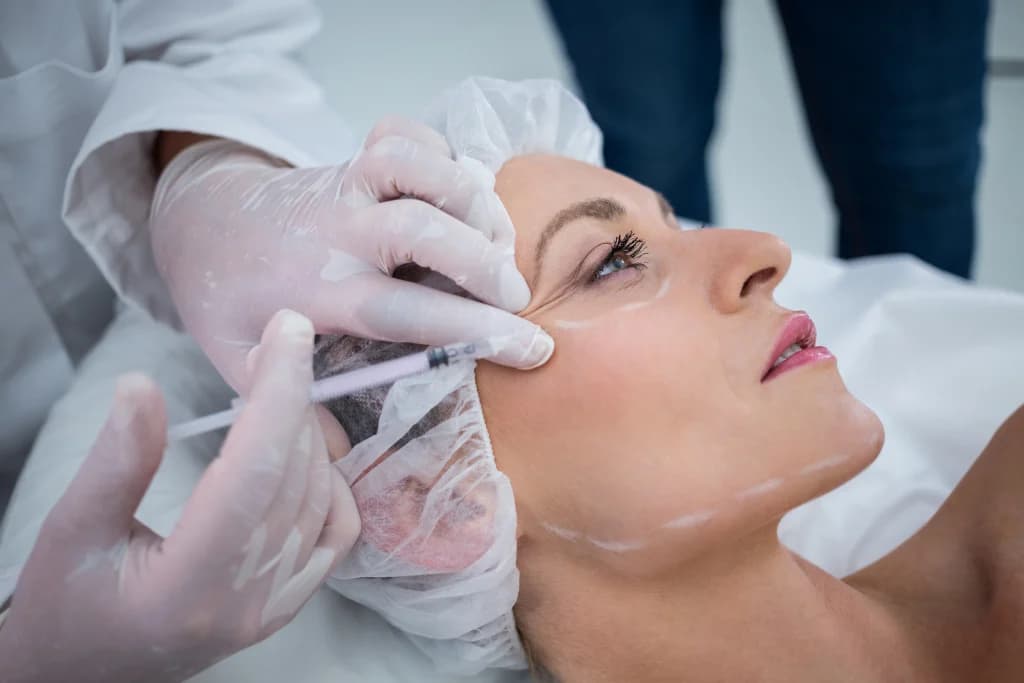
Skin tone does not change how a wrinkle-relaxing injection works. The target is the muscle beneath the skin, and melanin sits above it, so the mechanism is the same on Fitzpatrick II skin and Fitzpatrick V skin. What deeper skin can change is the visible aftermath — how a needle mark or a bruise reads and how long it stays noticeable — and what a patient is realistically hoping the treatment will do for them.
That is a narrower answer than most articles give, and it is narrow on purpose. Overstating the differences here would be borrowing worry from a completely different category of treatment.
Why is this question different from the same question about a laser?
Because the two treatments interact with your skin in opposite ways.
A light-based device works by being absorbed, and melanin absorbs light. That is why tone is central to how such a device is set up and why the same setting can behave very differently on two patients. None of that reasoning transfers to an injectable.
Botox is a purified botulinum toxin injected in very small amounts to temporarily reduce the contraction of specific facial muscles. Nothing about that process is selective for pigment. If you have read that deeper skin needs "different settings" for a wrinkle-relaxing injection, you have read something written about a laser and relabelled.
So what does deeper skin actually change?
Chiefly what you can see for the first few days, and how confidently you can predict it.
What is documented here is the ordinary aftermath: tiny raised bumps and mild redness where the needle went in are common and usually settle within an hour or two. Bruising is occasional — more likely if you take blood-thinning medication or fish oil — generally clears within a few days, and can be covered with makeup after the first 24 hours.
On richly pigmented skin a bruise often reads darker and less obviously "purple", which makes it both easier to miss in a mirror and harder to judge by eye. That is a cosmetic and practical difference rather than a safety one, but it is the reason we would rather you told us about a mark than watched it.
Is post-inflammatory pigmentation a risk here?
This is the question we are asked most, and it deserves a precise answer rather than a reassuring one.
Deeper, melanin-rich skin is more prone to post-inflammatory pigmentation in general — it is the reason a chemical peel's depth is chosen for your skin type after a patch test rather than picked off a menu, and the reason peel aftercare is written the way it is. That is a documented principle in this clinic's resurfacing work.
Our own protocol for wrinkle-relaxing injections does not list pigmentation at the injection points among its expected effects. The documented effects are the three above: transient bumps and redness, occasional bruising, and uncommon temporary heaviness or asymmetry. A needle point is a very small, very superficial breach compared with a resurfacing treatment.
Where that leaves you: this is not a treatment we would describe as carrying a pigmentation risk, and it is also not something our protocol makes a promise about. If your skin has a history of marking after minor trauma — a spot, a scratch, a threading session — say so during your history, because that is information the doctor will want and it is not something we can guess from looking.
Why does the doctor's map matter more than a dosing chart?
Because facial muscles are not standardised, and neither are faces.
The assessment here is deliberately not template-driven: the doctor examines your face at rest and in movement, works out which lines are dynamic and which are static, and plans injection points and dose for your own muscle pattern and for the degree of softening you want. Those points are marked on the skin before anything is injected.
That approach matters for any patient, and it matters more if the conventional reference images you have seen do not look much like you. A dose that suits one brow shape and one frontalis pattern is not automatically right for another.
Do the concerns themselves present differently?
Somewhat, in what patients arrive complaining about.
The three complaints our own assessment is built around are: forehead lines visible even when the face is completely relaxed; looking tired or stern in photographs because of the line between the brows; and wanting the lines softened without looking frozen or overdone. That last one comes up constantly in an Indian clinic, often phrased as not wanting to look "done" at a family function.
It is worth separating those from a different complaint that frequently gets lumped in — pores looking large across the cheeks and nose, or skin going shiny within a couple of hours of getting ready. That is texture and oil, not movement, and Skin Botox is the treatment aimed at it: heavily diluted toxin placed in the most superficial layer of the skin rather than into muscle, with expression deliberately left alone.
And if the actual issue is a squared-off lower face from clenching or grinding, or underarm sweating that soaks through shirts, a wrinkle relaxer plan addresses those as recognised medical uses of the same injection.
What should you raise before anything is injected?
All of it, including the parts that feel irrelevant.
Tell your doctor about every medication you take, blood thinners in particular, and about supplements such as fish oil. Say if you are pregnant or breastfeeding, since the treatment is not advised then. Mention any neuromuscular condition, because certain ones rule it out. Flag any active infection or breakout at the site being injected. And say if you have a wedding, a shoot or travel coming up, because changes begin at around four to seven days and settle by two weeks — the calendar is part of the plan.
What should prompt a call afterwards?
Contact the clinic rather than waiting if redness or swelling at an injection point is increasing after the first day instead of settling, if a bruise keeps spreading rather than fading over a few days, if a new mark or discolouration appears at a point and is not resolving, or if heaviness or noticeable asymmetry turns up or persists beyond the first fortnight. Uncommon unevenness in the first two weeks is exactly what the two-week review exists to catch and correct.
Do not try to work out what any of it means — that is what the review and the phone are for. If something changes in your swallowing or breathing at any point in the days afterwards, treat it as urgent, and go to the nearest emergency department if you cannot reach us.
What it costs to be assessed
A consultation is ₹500, waived against treatment, and it is where the honest version of all of the above happens for your face specifically. Botox is priced from ₹299 per unit; that is a per-unit rate rather than a treatment price, and what your plan needs follows from the map.
The effect typically lasts three to six months and then wears off, which makes a first treatment a comparatively low-commitment way to find out how your own skin and your own face respond.
Book a consultation when you want that answer.