
Are You a Good Candidate for Skin Botox? An Honest Checklist
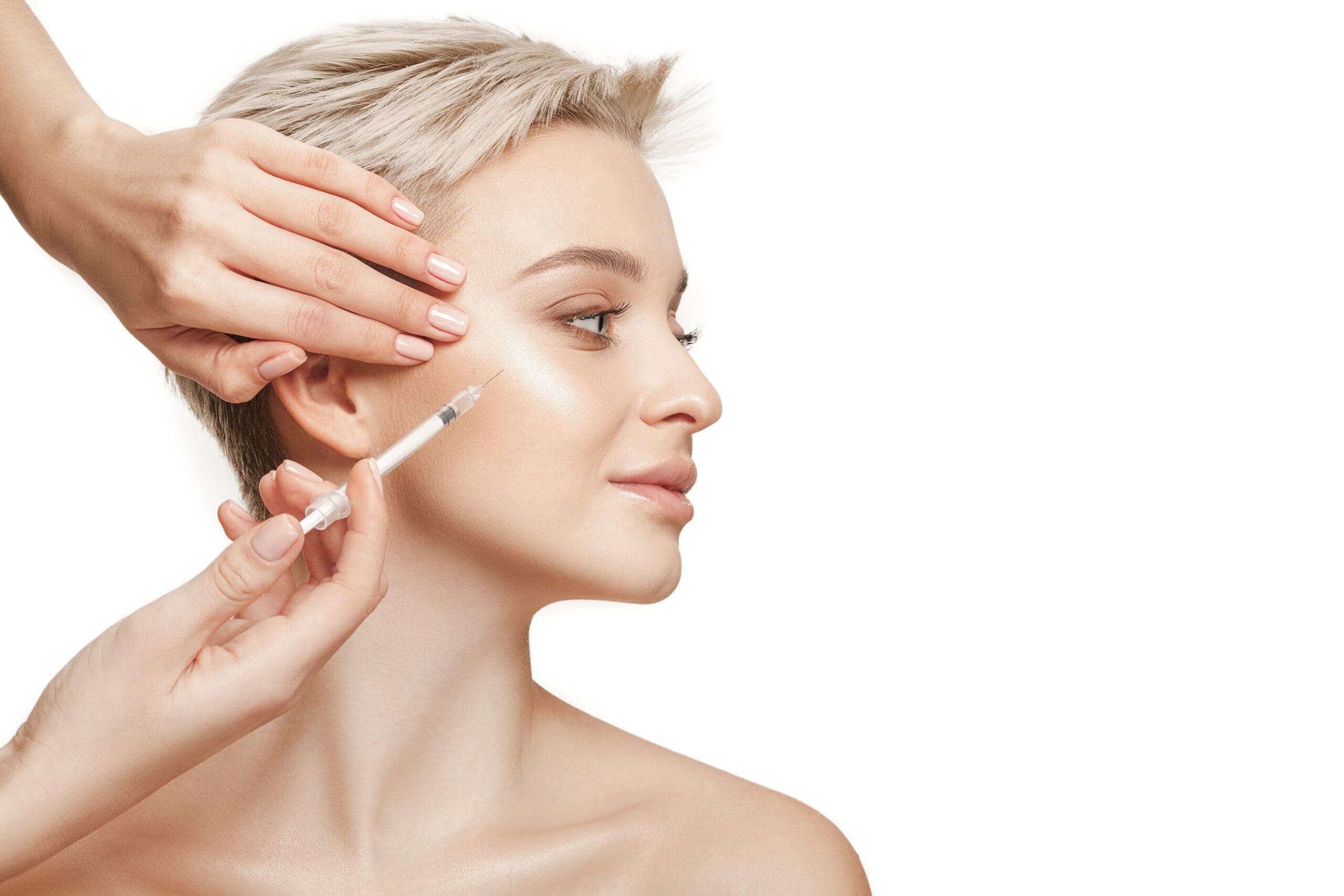
Skin Botox suits you if your concern is surface texture, pore appearance or mid-day shine, and you want your expression left alone. It is not advised during pregnancy or breastfeeding, over active acne, active herpes, severe eczema or psoriasis, if you are prone to keloid scarring, or during chemotherapy. Candidacy is decided in person.
That is the checklist in miniature. What follows is the reasoning behind each line, including the part that costs a clinic a booking to tell you.
Who does this treatment genuinely suit?
Three complaints, and they are narrower than the marketing suggests.
The first is pores that look large across the cheeks and nose however carefully you cleanse. The second is skin that goes shiny within a couple of hours of getting ready. The third is wanting a smoother-looking surface without your expressions being altered.
If you read those and recognised yourself in at least one, you are asking the right treatment the right question. Skin Botox places heavily diluted botulinum toxin into the most superficial layer of the skin, and those three complaints are what that placement addresses.
If none of the three sounds like you, the honest answer is that this is probably not your treatment, whatever else it is being credited with online.
What would rule me out on the day?
The clinic's own documentation is specific here, and none of it is negotiable in the room:
- Pregnancy or breastfeeding. Not advised during either.
- Active acne in the treatment area. Not over it.
- Active herpes, including a cold sore that has come up.
- Severe eczema or psoriasis affecting the skin to be treated.
- A tendency to keloid scarring.
- Ongoing chemotherapy.
Being told no on one of these is not a judgement about you and it is not a clinic being unhelpful. Botulinum toxin is a prescription medicine, and the whole point of a doctor-led assessment is that it can end in a no.
Which of those are permanent, and which are simply "not yet"?
This is the distinction most patients want and few articles draw.
Several of them are states rather than traits. A cold sore resolves. Acne settles or is treated. Pregnancy and breastfeeding end. Chemotherapy finishes. In those cases the sensible reading is that the door is closed today, not that it is bolted — although the clinic does not publish a date at which any of them becomes appropriate again, so the reopening is a conversation with your doctor rather than a countdown you can run yourself.
A tendency to keloid scarring is a different sort of entry. That is something about how your skin heals rather than something happening to it this month, and it deserves a fuller discussion in the room, including your own history of how past injuries and procedures have healed.
Either way, the useful move is the same: raise it early in the consultation instead of hoping it goes unnoticed.
What if my actual complaint is pigment rather than texture?
Then this treatment does not answer it, and that matters more than any contraindication on the list — because nothing about you rules you out, yet you would still be disappointed.
Dark marks, post-acne pigmentation and uneven tone are colour in the skin. Skin Botox works on the activity of shallow muscles and glands. Those are different problems with different answers, and one does not become the other because the appointment was easy to book.
It is worth being blunt with yourself in the mirror before you are blunt with the doctor. If you were photographed under flat light and the concern vanished, you were probably looking at texture. If it stayed exactly as it was, you were probably looking at pigment.
What if the lines that bother me move when I move?
Then you are describing expression lines, and the treatment that addresses those is Botox placed into muscle, not diluted product placed superficially.
Patients quite often arrive naming one and describing the other. There is no harm in that — it is the assessment's job to sort out. But if the thing you mind is a forehead line that deepens when you raise your brows, be aware you may leave the consultation having been recommended something other than what you booked to discuss.
Equally, if what you want is skin quality driven by hydration rather than surface oil and texture, a treatment such as Profhilo is answering a different question again.
Does my regular medication change anything?
It changes what you should expect, and occasionally what is advisable.
Blood-thinning medication is the one that comes up most. Bruising at the injection points is possible for anyone and is more likely if you take a blood thinner. That is not automatically a reason not to treat, but it is the doctor's call to make with the information in front of them.
Do not stop a prescribed medicine on your own in order to qualify for a cosmetic appointment. Bring the full list, including anything bought over the counter, and let the person qualified to weigh it do so.
Am I expecting the right kind of result?
A quiet reason people turn out to be poor candidates is expectation rather than eligibility.
Changes generally show over the days following treatment and continue to improve gradually — there is no version of this where you look transformed on the way home. Redness and mild swelling are common straight afterwards and generally settle within a day. Some patients notice mild dryness or flaking that typically subsides within about a day. And how many sessions your skin needs varies; the doctor confirms a plan at consultation rather than selling one in advance.
If you need a specific outcome by a specific date, say that out loud during the assessment. It is a legitimate input, and it sometimes changes the advice.
Why can this not be settled from a website?
Because the assessment is a physical examination. The doctor examines pore size, oiliness and texture, and confirms that superficial botulinum toxin is the right tool for what you want changed — which is a judgement about your skin, not about a category of patient you resemble.
Nothing in this article diagnoses you or clears you. Read it as preparation for a conversation, not as a substitute for one.
One practical note: if anything on the list above changes between your consultation and your appointment — a cold sore appears, a patch of eczema flares, you start a new medication, or you become pregnant — contact the clinic before you come in rather than deciding for yourself whether it still counts. That call costs you nothing and it is the right one to make.
What happens if the answer is no?
You are told, and told why, and generally told what would answer your concern instead. A consultation that ends in a redirection is a consultation that worked.
The fee is ₹500, waived off against treatment, and it buys you a doctor's opinion on whether this suits you at all. If you have read the checklist and still want that opinion, book an appointment.