
SKINVIVE vs Volite: How to Choose Between Two Skin Boosters
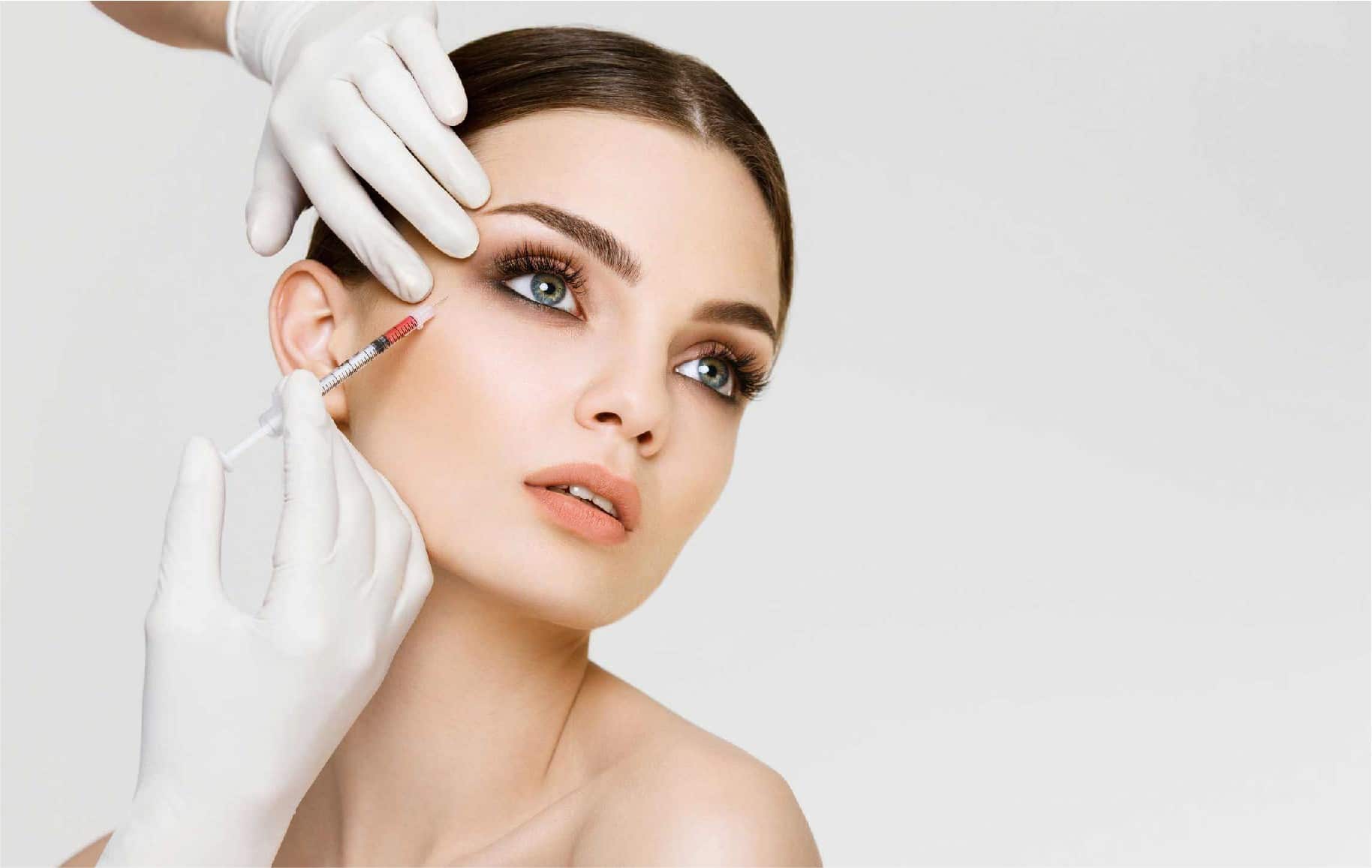
SKINVIVE and Volite are both hyaluronic acid skin boosters given as many fine, evenly spaced micro-injections, and both aim at skin quality rather than face shape. The practical difference is scope: SKINVIVE is studied and labelled for the cheeks and is offered here for that area, while Volite is used across the face and also on the neck, décolletage and the backs of the hands, and comes with published timings you can plan a date around. Neither is an upgrade of the other — the right one depends on which patch of skin is bothering you and how much certainty you want about when the result lands.
That is the whole decision in a paragraph. The rest of this page is the detail behind it, because patients arrive at our Bellandur and Indiranagar clinics with a product name they heard somewhere and no way to tell whether it matches the thing they actually want fixed.
Are SKINVIVE and Volite the same treatment?
No, though they are close relatives. SKINVIVE Skin Booster is a hyaluronic acid microdroplet injectable — the product is dispersed through the skin as a series of fine micro-injections across the cheek rather than deposited at one point. Volite is also hyaluronic acid delivered as a grid of small micro-injections across an area, and is also explicitly not a filler: it does not add contour or volume.
What they share matters as much as what divides them. Neither changes your face shape. Both work by holding water within the skin, which is why the effect lasts months rather than the few hours a moisturiser buys you. Both are injected by a doctor who decides depth, spacing and dose, and both begin with a consultation that screens for allergies and the conditions that make injecting inadvisable before anything touches your skin.
So if someone has told you one of these is "the strong one" and the other is "the light one", that is not a distinction either treatment page supports.
Which concern does each one genuinely answer?
SKINVIVE answers dull, rough-feeling cheek skin where you want nothing about the shape of your face to change. Its brief is narrow on purpose. The microdroplet technique spreads the product evenly through the skin instead of depositing it in one place, so what changes is how the cheek skin itself feels and reflects light. There is no immediate volume change to notice, or to explain to anybody — the improvement builds over the weeks afterwards, which is a large part of why it reads as natural rather than as something done.
Volite answers fine surface lines and dehydration, and reaches areas SKINVIVE does not. Better-hydrated skin creases less, and the fine lines around the eyes are its most commonly treated area for exactly that reason. It is also routinely used on the neck, décolletage and the backs of the hands, all of which show dehydration and fine crepiness early. If your complaint is "my skin feels tight no matter how much moisturiser I use", or it is the lines in every photograph rather than the texture of your cheeks, that is Volite's territory.
Where the two overlap — cheek smoothness and hydration — either can be the right answer, and that is a consultation call rather than something a web page should pretend to settle.
How do they compare, point by point?
Area treated. SKINVIVE: the cheeks, the area it is studied and labelled for. Volite: face, neck, décolletage and hands.
What is injected. Both: hyaluronic acid, placed as many small, spread-out injections rather than as a single volumising deposit.
Numbing. Both use anaesthetic cream first. For Volite that is a documented 30 to 45 minutes on the skin before anything begins, so budget for it.
When it shows. SKINVIVE builds gradually over the weeks after treatment. Volite typically peaks at around 10 to 14 days with improvement continuing across the first month, and the review appointment is set at that peak.
How long it holds. Volite commonly lasts in the region of six to nine months, with routine repeat treatments planned at roughly that interval. We do not publish a fixed duration for SKINVIVE — your doctor will tell you what to expect for your skin rather than quote you a number this page cannot stand behind.
The days afterwards. SKINVIVE: small injection-point bumps and possible bruising, usually settling within a few days. Volite: redness or small bumps for 24 to 48 hours, with a fuller set of written rules — no alcohol for 12 hours, nothing washed, moisturised or made up on the area for 24 hours, no massaging it for 24 to 48 hours, no gym for 72 hours and no facials or steam for around 15 days.
That last row is the one most people underestimate. A 15-day gap on facials and steam is a real constraint if you have a wedding week booked.
Does my skin type change the answer?
Volite is explicitly not restricted by skin type, and that is worth saying plainly because oily skin is the most common reason patients assume a hydration treatment is not for them. Oiliness and dehydration are different things, and oily skin can be dehydrated too — the shine on your face by 4pm tells you nothing about whether the skin holds water.
For SKINVIVE, skin type is not the gate; the area is. If your main concern sits somewhere other than the cheeks, the doctor will say so at the consultation rather than treat an area the product is not intended for. We would genuinely rather redirect you.
Does Bangalore change which one to pick?
Not the chemistry, but it does change the brief people walk in with. An air-conditioned office in Bellandur, a 50-minute commute through dust twice a day, and the swing from dry February to a humid September all leave the same mark: skin that feels tight and looks flat regardless of what is on the bathroom shelf. Humid months fool people into thinking their skin is well hydrated when the surface oil and the water held inside the skin are unrelated.
The practical local point is timing, not product. If there is a date in your diary, Volite's published 10-to-14-day peak is something you can count backwards from. SKINVIVE's gradual build gives you less to schedule around, so it wants more runway, not less.
Can either one be ruled out for me?
Yes, and the consultation exists to find that out. Volite is not advised in pregnancy or breastfeeding, where there is an active infection at or near the site, or where there is known hypersensitivity to hyaluronic acid. There must also be no injury or bruising at the treatment site, and you should mention allergies, any history of cold sores and any blood-thinning medication. For SKINVIVE, the consultation screens for allergies and for the conditions that make injecting inadvisable before anything is injected.
Bring the name you have heard, whichever it is. A doctor who has looked at your skin can tell you which of the two matches it, or whether something else fits better — and that is a far more useful half hour than choosing between two product names on your phone.
Where to start
Book a consultation at either clinic and describe the problem rather than requesting the product. The consultation fee is waived against treatment if you go ahead, so the assessment costs you nothing extra once you decide. Book an appointment and bring your questions — including the one about which of these two your skin actually needs.