
Questions to Ask Any Clinic Before a Glutathione Infusion
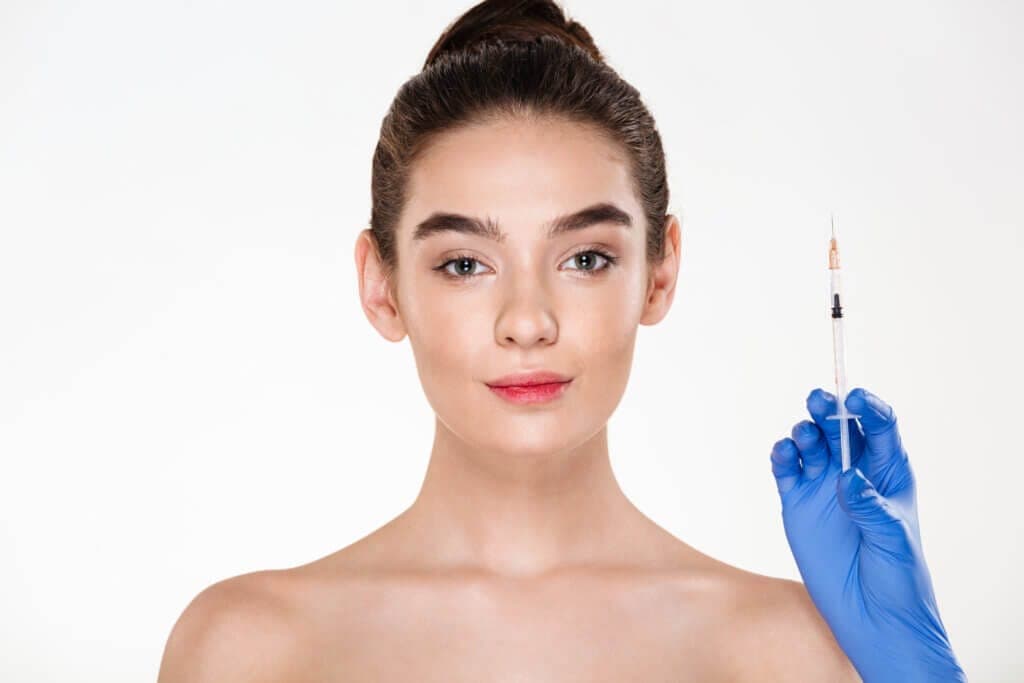
An intravenous infusion is a medical procedure regardless of how it is marketed, so the questions you ask before agreeing to one should be medical questions. The nine below are the ones that actually separate a properly run service from a poorly run one, and each has an answer a clinic should be able to give you on the spot. If any of them produces a vague answer, that is your answer.
This page is a checklist rather than a pitch. Use it on us as readily as anywhere else.
1. Who will put the line in, and who stays in the room?
A Glutathione Injection is given intravenously, and here the infusion is placed and monitored by a doctor. The second half of that sentence is the part to press on. Ask who starts it, who observes it, and who is physically present while it runs. Our protocol starts the infusion slowly — a deliberate ten-minute start — and you are monitored throughout.
A clinic that is comfortable with a cannula going in and the room then emptying has told you how it thinks about risk.
2. What will you review before you agree to treat me?
The honest list is history, allergies, medication and conditions such as asthma. Any of those can change whether the infusion is appropriate for you, and asthma is specifically on the list rather than an afterthought.
The question behind the question is whether an assessment happens at all. If you can book an infusion the way you book a facial — pick a slot, turn up, sit down — nobody has assessed anything.
3. Is this a skin-lightening treatment?
Ask it directly and listen carefully to the answer. What this treatment is used for is antioxidant support against oxidative stress, and over a course patients typically describe skin that looks clearer and more radiant. That is a different claim from changing your complexion, and the evidence for glutathione as a lightening agent is thin — it is used off label for that purpose, which is something you are entitled to be told rather than left to discover.
A clinic that answers this question with a shade card is selling you something the science does not support. A clinic that distinguishes "brighter and clearer" from "lighter" is being straight with you.
4. How many sessions before I know whether it is working for me?
The documented shape is four to six sessions before change is usually visible, with around ten for a full course, and a gradual timeline over one to three months — longer on deeper skin tones. That last clause matters in India and is frequently left out.
So the useful follow-up is: at which session will we sit down and decide whether to continue? A plan with a review point is a plan. A plan that runs to ten sessions because ten was sold is not.
5. What happens if it does not work for me?
Results vary between individuals and cannot be promised, and any clinic pretending otherwise has oversold it before you have paid. Ask what happens at that point — whether the remaining sessions can be stopped, and whether the conversation turns to what is actually causing the tone or dullness you came in about.
Dullness has several causes, and not all of them are oxidative. Sun exposure and a pigmentation problem that needs a different treatment entirely are the common ones, and a clinic willing to say so is more useful to you than one that adds sessions.
6. What could go wrong, and who do I ring?
Ask for the specific after-effects to expect, the ones that warrant a phone call, and the number to use outside clinic hours. Our own position is that there is no downtime and most patients resume normal activity immediately — but "no downtime" is a statement about the usual case, not a promise that nothing will happen, and you should still leave with an escalation route.
Get it in writing. A verbal reassurance at the door is not aftercare.
7. How long is the appointment, really?
Forty-five to sixty minutes for the infusion, after the slow ten-minute start. Add the cannula being placed, the pre-session checks and getting yourself back together afterwards, and it is a real appointment rather than a lunch-hour errand.
Ask because clinics that understate the time tend to be running the room on a turnover that does not fit "monitored throughout".
8. Is a pre-paid package the only way to buy it?
Ask whether you can pay per session. The clinical reality is that the number of sessions is confirmed after you have been assessed and reviewed — so a package priced before anyone has looked at you is a commercial decision dressed as a clinical one. We are not going to tell you a package is always wrong; plenty of patients prefer the budgeting. We are saying the sequence matters: assessment, then plan, then price.
9. What are you actually putting in the bag?
Ask what the infusion contains and whether anything else is being added to it. Glutathione is one thing; a tailored IV Drip Therapy or a Glow Drips session is another, and they are not interchangeable even when the chair and the cannula look identical. If a drip is being described to you with a list of benefits and no list of contents, that is the wrong way round.
A note on what this checklist cannot do
None of these nine questions can tell you whether this treatment suits your skin. That is what the assessment is for, and it is also where you will find out whether the thing bothering you is something an infusion addresses at all. What the checklist does is make sure the conversation happens before the cannula, which is the order that protects you.
Bringing it in with you
Print the list or keep it on your phone, and ask all nine. The consultation fee is waived against treatment if you go ahead, so asking properly costs you nothing at either clinic. Book an appointment — and if the answers anywhere, including here, do not satisfy you, do not sit down in the chair.