
Profhilo Treatment vs SKINVIVE Skin Booster: How to Choose
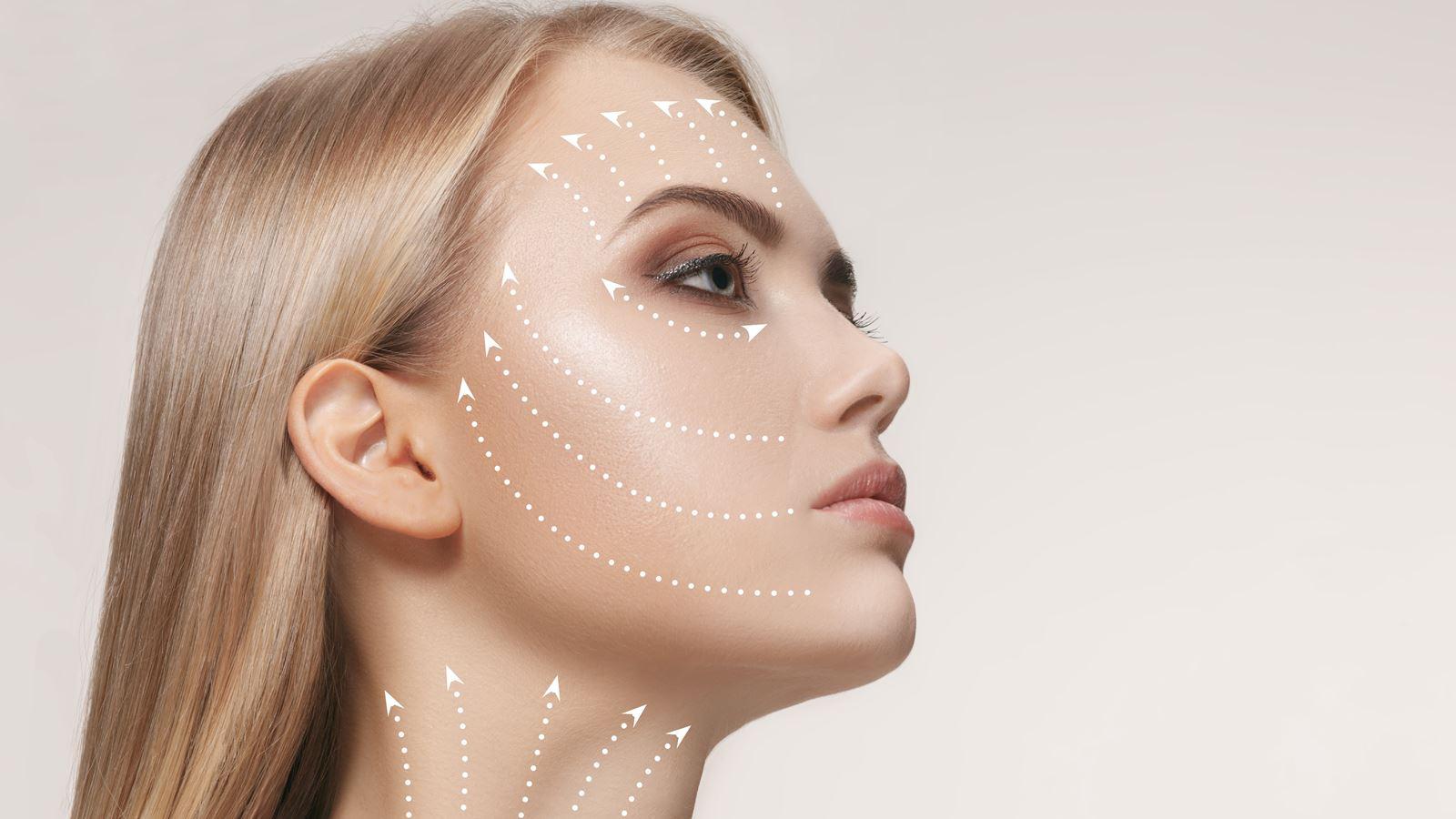
Both are injectable hyaluronic acid aimed at skin quality rather than shape, and the practical difference between them is almost the opposite of what the names suggest. Profhilo is designed to spread through the tissue from a small number of set injection points, and it can be used on the neck, décolletage and hands as well as the face. SKINVIVE is placed as many small, evenly spaced microdroplets that deliberately do not spread, and it is studied and labelled for the cheeks. If your concern is firmness, or it sits anywhere other than your cheeks, that narrows the choice before anything else is considered.
One spreads, the other deliberately does not — why does that matter?
Because it determines both what the treatment can reach and how it is placed.
Profhilo is bio-remodelling: it is injected at set points and then diffuses through the tissue, which is why it improves an area's quality without creating contour or fullness at the injection sites. A doctor marks the set points and injects at each one. The spread is the mechanism.
SKINVIVE works the other way. It is a thinner formulation given as a series of fine micro-injections across the cheek, specifically so that it does not add volume — the product disperses evenly through the skin rather than depositing in one place, so the change is in how the skin itself feels and looks. The even distribution is achieved by the placement, not by the product travelling.
Neither adds contour and neither changes your face shape. But one covers an area from a handful of points and the other covers it by being placed everywhere.
Which areas can each one actually treat?
This is the sharpest difference and often the whole answer.
Profhilo works on the face and also on the neck, décolletage and hands — areas that age visibly and are frequently left untreated, and which respond to the same approach as the face.
SKINVIVE is studied and labelled for the cheeks, and that is the area it is offered for here. If your main concern is somewhere else on the face, a doctor will tell you honestly at consultation whether SKINVIVE is the right tool or whether something else fits better — we would rather redirect you than treat an area it is not intended for. That is a deliberate position, not a limitation we are apologising for.
So: crepey skin on the neck, or hands that give your age away, is a Profhilo conversation. Cheek skin that looks rough or dull is where the two genuinely compete.
My concern is firmness rather than texture. Does that point one way?
Towards Profhilo, yes. It stimulates collagen and elastin production, which addresses laxity at the level of the skin itself rather than by adding volume underneath it — so firmness and elasticity are what it is documented for, alongside deep hydration for dry, dull skin and refined texture and pore appearance.
SKINVIVE's documented aim is narrower and worth taking at face value: smoothness and hydration in the cheek area. Hyaluronic acid holds moisture within the skin, and patients typically notice a smoother, more hydrated look building over the weeks after treatment. It is not described as a firming treatment, and we are not going to stretch it into one.
Put crudely: "my skin has lost its bounce" leans Profhilo; "my cheeks look rough and dry" leans SKINVIVE; "both" is a consultation.
What do the schedules look like?
Here the two are not symmetrical, and the honest answer differs in kind.
Profhilo's schedule is published: commonly two sessions about four weeks apart, then maintenance, with the result holding around six months before a follow-up treatment. A session runs 30 to 45 minutes depending on the area, with numbing cream adding another 30 to 45 minutes before that.
SKINVIVE does not carry a published course on our treatment page, and that is deliberate rather than an omission. Many patients are offered a single session with a review appointment, and your doctor confirms whether a follow-up is worth having once the result has actually settled. We would rather leave that open than publish a session count we cannot stand behind.
If a fixed, knowable plan matters to you, that difference is real.
How soon does each one show, and how long does it hold?
Both build rather than appear. Profhilo's result comes on over a few weeks as collagen and elastin respond, and holds around six months. SKINVIVE's improvement in skin quality also builds gradually over the following weeks — there is no immediate volume change to notice or explain, which is part of why it reads as natural.
Neither is a treatment to book two days before an event expecting the result to have arrived.
What does each one ask of you afterwards?
This is the practical factor patients most often overlook, and the two are quite different.
SKINVIVE is light: small raised bumps and redness at the injection points are normal and usually settle within a day or two, with occasional bruising taking a few days longer.
Profhilo asks considerably more of the next fortnight. No alcohol for 12 hours afterwards, and none for at least 24 hours beforehand. Do not wash the treated area, apply moisturiser or wear makeup on it for at least 24 hours, and avoid touching or massaging it for 24 to 48 hours. No facial treatments or steam for around 15 days, and no vigorous exercise for 72 hours. Mild swelling or redness at the injection points for a few days is normal, and most patients return to their usual activities immediately otherwise.
Read that list against your actual diary before booking. A fortnight with no steam and no facials is easy to agree to in the chair and harder to honour.
What should I tell the doctor either way?
For Profhilo specifically: there should be no infection, injury or bruising at the treatment site, and you should tell your doctor about allergies, any history of cold sores, keloid scarring, cancer treatment, or a lidocaine allergy, and disclose any blood thinners or anticoagulants you take. Disclose them — do not change them on your own.
For SKINVIVE, the consultation screens for allergies, active skin infection, pregnancy and breastfeeding before anything touches your skin. In both cases the injection depth, dose and placement are clinical decisions rather than a template applied to everybody.
Does Bangalore change the choice?
Mostly through the aftercare, and in one direction. Profhilo's fortnight without steam or facials, and its 72 hours without vigorous exercise, land differently on someone who swims or trains most evenings — and the no-makeup-for-24-hours rule is harder on a working day than it sounds.
The dry pre-monsoon months push dehydration and dullness up most patients' priority lists, and both treatments speak to that. What the climate does not settle is which one, because that turns on whether the issue is mostly dehydration, mostly laxity at skin level, or mostly texture — and on which area is bothering you. Those are examination findings.
How the choice actually gets made
By someone looking at your skin and asking where it bothers you. The area decides more than anything else here: anywhere but the cheeks and the answer is already narrowing, and firmness versus smoothness narrows it further. Bring the complaint in your own words, point at the place, and say what your next two weeks look like.
If you would like that assessment, you can book an appointment at our Bellandur or Indiranagar clinic.