
Nano Brows and Microshading: The Korea Trend, Assessed for Indian Skin
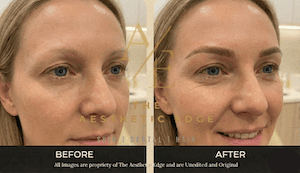
Nano brows are hair strokes drawn with a very fine machine needle rather than a hand blade; microshading builds a soft stippled shade instead of strokes. Both reached the rest of the world through Korean and East Asian permanent-makeup studios. The Aesthetic Edge performs hair-stroke microblading and ombré brows — and naming a technique in an article is not a claim to provide it.
What are nano brows, in plain terms?
Nano brows describe hair-stroke work placed with a digital machine and a single very fine needle, instead of the hand-held blade used in microblading. The intention is the same: individual strokes that read as hair rather than a block of colour. The instrument is what changes.
That is genuinely all the word means. It is a studio term, not a regulated category, and different artists apply it to slightly different things — some to any machine hair-stroke work, some only to a particular needle gauge. Which is the first practical point of this article: the word tells you less than you think it does.
How is microshading different from ombré or powder brows?
Microshading, powder brows and ombré brows all describe shade rather than strokes, and in everyday use the terms overlap heavily. Ombré brows build a soft gradient — lighter at the front, more defined towards the tail. Powder brows describe a fuller, more even soft finish. Microshading is usually used for stippled shading placed dot by dot, often blended into stroke work rather than used alone.
Studios use these words inconsistently enough that two quotes with the same label can describe different work. Ask what will actually be done to your brows, in terms of strokes, shade or a combination, and treat the brand word as a label on the outside of the box.
Which of these does The Aesthetic Edge actually do?
Two things, stated plainly so nothing has to be inferred. Eyebrow microblading — individual hair-like strokes placed with a fine hand tool — and ombré brows, which build the soft shaded gradient described above. Many people have a combination of both, and that combination is a common outcome of the consultation rather than an upsell.
If what you specifically want is a machine nano technique, ask before you book rather than assuming a clinic that mentions the trend performs it. That applies here and everywhere else. The honest position for any studio is to tell you what is on its own list, and a studio that answers a technique question with a brochure is telling you something.
Does any of this suit oily skin better?
This is the claim the trend is usually sold on, and it deserves a more careful answer than the internet gives it.
What the clinic's treatment record actually documents is that how long the strokes hold depends on your skin type, your oiliness and your sun exposure — so oiliness is a real variable in how a brow ages, not a myth. It also documents that the choice between stroke work and shading depends on your skin type and the look you want, and that this is decided at consultation.
What it does not do is publish a rule that oily skin rules out microblading, and this article is not going to invent one. Skin varies, brows vary, and the person who can answer it is the one looking at your face. Bring the question to the consultation and ask it directly — it is a reasonable question and you should expect a specific answer about your skin rather than a general one about skin.
What changes on deeper Indian skin tones?
Pigment selection, and it matters more than the instrument does.
Pigments are chosen for your undertone specifically. Generic palettes are what turn ashy or reddish over the following months, and that colour shift is what most people are actually describing when they say someone's brows "went wrong" — not the shape, and not the technique. A studio importing a trend without importing the colour thinking behind it is the risk worth screening for.
So when you evaluate a nano-brow or microshading offer, the question that separates studios is not which machine they own. It is how they choose a shade for your undertone, and whether they can show you healed results — not day-one photographs — on skin like yours. The same colour discipline runs through the clinic's other pigment work, including lip micropigmentation.
Is the trend backed by anything, or is it a naming exercise?
Some of both, and it is worth separating them.
The instrument difference is real. A machine and a blade deposit pigment differently, and artists who use both will tell you they behave differently in the hand. What does not exist is a body of published comparative evidence telling an Indian reader that one produces a better-ageing brow on her skin than the other. The marketing is far ahead of the data, as it usually is in aesthetic trends that arrive with a country attached to them.
The practical consequence is that you should choose on the artist, the pigment reasoning and the healed photographs, and let the technique name come third. Skill is not distributed by equipment.
What "semi-permanent" actually commits you to
Whichever of these words you end up choosing, the commitment underneath is the same and it is worth reading slowly.
Pigment is placed in the upper layer of the skin, so hair strokes soften gradually rather than staying fixed. Results typically hold for 24 months or more depending on your skin type and aftercare, with a touch-up session to keep the strokes crisp — and microblading is planned as a two-session course including that touch-up, not a single appointment. Most people should expect to plan a refresh rather than a one-off.
The part that gets skipped in trend coverage is the exit. Fading is gradual and by design; removal is not simple, and correcting or lightening work you dislike is harder, slower and less predictable than having it done well the first time. That asymmetry is the whole argument for spending your effort on the choice of artist rather than on the choice of buzzword.
What to ask before you book anything
Five questions, and none of them require you to know the vocabulary.
- What will you actually do to my brows — strokes, shading, or a combination?
- How do you select pigment for my undertone?
- Can I see healed results, not day-one photographs, on skin like mine?
- Is the touch-up part of the plan, and when would it sit?
- Who supervises medically if my skin reacts?
At The Aesthetic Edge the work is performed by certified professionals under doctor supervision, at Indiranagar and Bellandur, with the shape mapped and agreed with you before anything permanent is drawn.
What should make me contact the clinic afterwards?
Brows look slightly darker for the first few days and settle within a week or two, and you are given a written aftercare sheet covering what to expect day by day. That is the expected pattern, whatever the technique was called.
Do not try to interpret anything beyond it yourself. Contact the clinic if redness or swelling around the brows spreads rather than settles, if pain increases rather than eases in the days after the appointment, if there is discharge from the area, or if you develop a fever. Breathlessness, a widespread rash, or swelling of the face, lips or tongue should be treated as urgent — seek immediate medical care and tell the clinic afterwards.
Where to start
If the trend is what brought you here, the useful next step is not more reading. It is having someone assess your face shape, skin type and natural hair growth, map a shape, and tell you which of stroke work, shading or a combination fits your skin — and say so honestly if the answer is not the one the trend promised.
The consultation is ₹500, waived against treatment, and microblading starts from ₹10,999 per session, with the number of sessions confirmed once your brows have been seen. Book a consultation and bring the reference photographs; they are more useful in the room than the vocabulary is.