
How to Prepare for Lip Micropigmentation (and What to Avoid Beforehand)
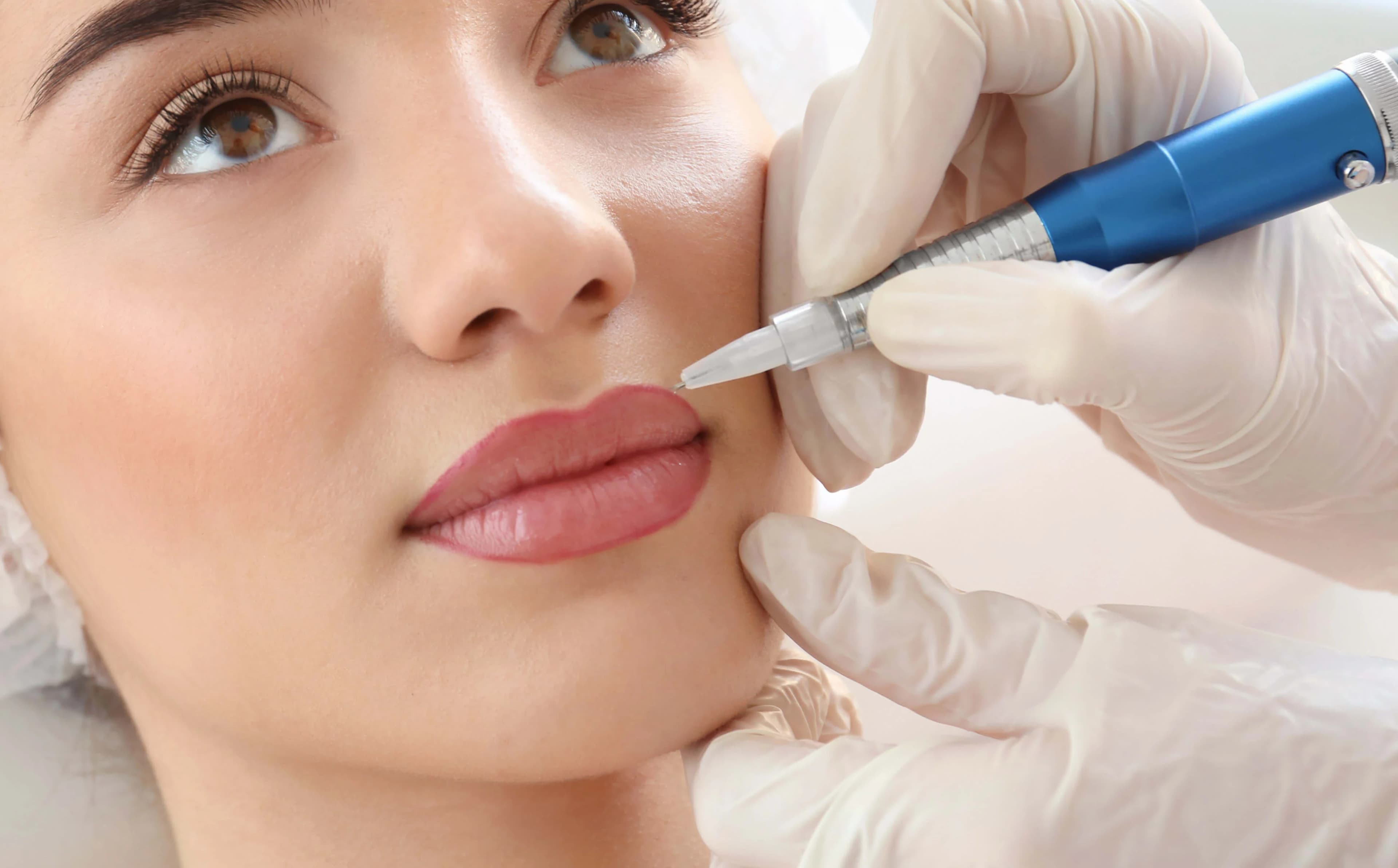
Preparing for lip micropigmentation is mostly about arriving with calm, intact lips and a complete medical history. Book the consultation first, because that is where your shade is chosen. Disclose any history of cold sores, any medication, and any previous permanent makeup. Then clear your diary for the first few days of healing, when the colour looks nothing like the finished result.
Everything below is the detail behind those four sentences, written for the week before your appointment rather than the day of it.
What does the consultation actually decide?
It decides whether pigment is the right answer at all, and if it is, which colour goes in.
At lip micropigmentation the appointment opens with a lip assessment: your natural lip tone, texture, skin type, facial proportions and any pigmentation concerns are all reviewed before a colour is chosen. That is not a formality. Pigments here are selected for your undertone rather than picked off a fixed palette, and the shade is agreed with you and tested on your skin tone before the full procedure begins.
There is a second thing the assessment does, and it matters more. A doctor first works out why your lips are dark, if they are. Hyperpigmentation, smoking, sun, iron deficiency and a reaction to a product are not the same starting point. Some of those causes need medical review before any pigment work begins, and you will be told so before anything is placed.
A consultation is ₹500, waived against treatment.
What must I tell the clinic before booking?
Four things, and none of them are optional.
Any history of cold sores. This is the single most important disclosure for a lip procedure, and it is worth saying even if your last outbreak was years ago. The trauma of the procedure can trigger one, and an outbreak during healing disturbs the settling pigment as well as being unpleasant. Telling the doctor changes the plan. It does not necessarily rule you out.
Everything you take. Prescription medicines, supplements, and anything you have started recently. Some medicines affect how skin bleeds or heals, and some are themselves a cause of lip discolouration. Never stop a prescribed medicine to prepare for a cosmetic appointment. Bring the list and let the doctor decide what, if anything, needs adjusting, in conversation with whoever prescribed it.
Pregnancy or breastfeeding. Say so plainly. It is a normal part of the conversation.
Any permanent makeup you have already had. Existing pigment sits under whatever goes in next and changes how the new colour heals. If you have photographs from before that work was done, bring them.
What should I bring, and what should I stop?
Bring photographs of lip colours you like — and, more usefully, one or two you actively dislike. Bring the lipstick you reach for most days; it tells a doctor more about your taste than a description will. Bring your medication list. Bring your questions written down, because two hours in a chair is a poor time to remember them.
Stop experimenting on your lips. Lip scrubs, acid exfoliants, whitening balms and home remedies all leave the surface irritated, and irritated skin is a worse canvas. If you have been using something on your lips for weeks, tell the clinic what it is rather than quietly abandoning it — a product reaction can itself be the reason the colour is uneven.
Beyond that, ask for the clinic's written before-and-aftercare sheet at consultation and follow that rather than a list you found online. The sheet is the instruction that counts here, and it is given to you precisely so healing is predictable.
Should I schedule other facial treatments around it?
Not close to it, and the sequence is something to settle with your doctor rather than to guess.
A chemical peel deliberately lifts away surface cells, and flaking is an expected part of its recovery. BB Glow works with a micro-needling pen and leaves treated skin more reactive to UV for a couple of weeks. Neither is a problem in itself. Stacking either against a lip that is also healing simply gives you two recoveries at once and makes it harder to tell what is doing what. If you have a broader skin plan, put all of it on the table at the consultation and let one person sequence it.
How far ahead of an event should I book?
Further than most people assume, and the reason is the healing pattern rather than the procedure.
Colour looks strong and noticeably darker than agreed on day one. Days two to four are dry, tight and lightly flaking, with the colour looking patchy mid-flake. Days five to ten are the phase where it looks far too light, as new skin covers the pigment. The true colour returns as the skin matures over the following weeks, and there is a touch-up at six weeks to perfect the finish.
So if you have a wedding, a shoot or a family event, count backwards from it and allow for the whole course — the primary session and the six-week touch-up, plus settling time after that. Booking a fortnight before the event puts you in the part of the timeline you would least like to be photographed in. No honest clinic will offer you a faster version of this.
For work, the practical answer is simpler: take the appointment late in a week if you can, so the flaking days land where fewer people are looking at your mouth.
What about the appointment itself?
The procedure is completed in under two hours, under a doctor's supervision, and a numbing cream is applied beforehand. It is designed to be comfortable and precise. Downtime is minimal and most people return to normal activity the same day.
Practically: eat before you come, since you will be lying still with your mouth occupied for a while. Block more than two hours in your diary so you are not watching a clock. Plan a quiet evening rather than a gym session.
When should I postpone rather than turn up?
Contact the clinic instead of attending if, in the days beforehand, you develop a cold sore, a blister or any broken or weeping skin on or around the lips, a fever, or any infection you are being treated for. The same applies to a sudden change in lip colour, swelling or texture that you had not noticed at the consultation.
Do not try to work out for yourself whether it is minor enough to ignore. Ring and describe it, and let the clinic decide whether to reschedule. Postponing by a fortnight costs you a fortnight. Placing pigment into skin that is already inflamed or infected costs considerably more, and both branches would far rather move your slot.
Both branches are closed on Wednesdays, so if something changes on a Wednesday and it looks urgent — spreading redness, worsening swelling, fever — do not wait for the clinic to open. Seek medical care that day.
Where to start
Start with the assessment, not with a shade. Bring your history, your medication list and the photographs, and ask what the doctor sees before you ask what colour they would pick.
Lip micropigmentation starts at ₹10,999 per session, and the course is a primary session plus the six-week touch-up, so budget for both rather than one. To have your lips assessed, book an appointment. Consultation ₹500, waived against treatment.