
Eyebrow Microblading: The Myths Worth Clearing Up Before You Book
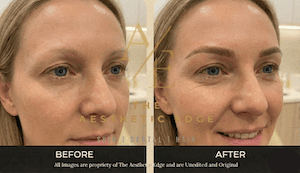
Most microblading myths come from two places: old block-shaped brow tattoos, and studios that quote a single low price. Microblading is semi-permanent hair-stroke work placed in the upper skin layer, mapped to your face and agreed before it starts, and it is planned as a two-session course rather than one appointment.
Almost everything people arrive worried about traces back to one of those two sources. Here are the ones that come up in consultation, and what is actually the case.
Are permanent eyebrows really permanent?
No. "Permanent eyebrows" is simply what most people type into a search box, and eyebrow microblading is semi-permanent.
Pigment is placed in the upper layer of skin with a fine blade, so the hair strokes soften gradually rather than staying fixed. Results typically hold for 24 months or more, depending on your skin type and how carefully you follow the aftercare. How long that actually turns out to be for you depends on your skin type, how oily it is, and how much sun it sees. Plan a refresh rather than a single appointment and you will not be disappointed by month twenty.
Is this the same as a brow tattoo?
No, and the difference is depth. A tattoo deposits ink deeper into the skin, which is why old brow tattoos blur at the edges and shift colour over the years — the grey-blue or orange brows people remember.
Microblading is surface-level, hair-stroke pigment work, designed to fade gracefully and be refreshed. That is a deliberate trade: you give up permanence and get the ability to change the shape as your face and your taste change.
Will it look drawn-on?
Not if it is mapped properly, because it is not a block of colour. Microblading places individual hair-like strokes, following the direction your own brow hair grows in.
The other half of the answer is the shape, which is agreed before any work begins. Your face shape, bone structure and existing hair growth are studied, the brow is drawn on, and nothing goes into the skin until you have looked at it and said yes. If a studio will not show you the mapped shape first, that is the part to worry about.
Does it hurt?
Less than most people expect. A numbing cream is applied before the procedure and most clients describe light scratching rather than pain.
It is still a long sit — the stroke work runs to under two hours — so what people usually report afterwards is that it was tedious rather than painful.
Do pigments turn grey or reddish on Indian skin?
Generic palettes do. Pigments selected specifically for your undertone are the answer to that, and choosing them properly is a skill rather than a product.
This is worth pressing any studio on, in exactly those words: how do you choose pigment for my undertone? A shade picked to match hair colour alone, from a kit designed for someone else's skin, is what heals ashy or brassy a year later. Hesitation in the answer tells you what you need to know.
Is the touch-up just a way to charge me twice?
No — it is the fourth step of the treatment. Microblading runs as assessment, mapping, the procedure, then healing and a follow-up touch-up to perfect the finish.
Skin does not accept pigment evenly. Some strokes hold, some do not, and how much of each is only visible once the brows have healed. The touch-up is where the strokes that faded are replaced and the shape is finalised. Brows judged before that session are not finished brows, which is why microblading is quoted per session and planned as a course of two.
Is microblading the only option?
No. Ombré brows build a soft, shaded gradient — lighter at the front, more defined towards the tail — rather than individual hair strokes, and plenty of people choose a combination of the two.
Which suits you depends on your skin type and the look you want, and it is decided at the consultation rather than from a menu. If you have oily skin in particular, this is a conversation worth having properly, because it changes what will still look crisp in a year.
My brows look too dark afterwards — has it gone wrong?
Almost certainly not. Brows look slightly darker for the first few days and settle within a week or two, and this alarms nearly everyone the first time.
You are given a written aftercare sheet covering what to expect day by day, for this exact reason. Read it on day two rather than panicking, and ring the clinic if what you are seeing is not on it.
If I do not like it, can I just have it removed?
You can, but removal is difficult, slow and usually more expensive than the original work. Lightening unwanted brow pigment takes several sessions before anyone can start again, and it is the reason cheap microblading turns out to be the costly option.
That is the honest case for taking the mapping stage seriously and for asking to see healed results — not fresh ones — on skin like yours before you book anywhere.
Is a low quote the same treatment for less money?
Rarely, and the gap is usually the touch-up. What genuinely changes the price is how many sessions your brows need: the shape, how much natural hair is already there, whether previous pigment has to be worked around, and whether you want microblading alone or combined with ombré.
At The Aesthetic Edge the price is the same at Indiranagar and Bellandur — ₹10,999 per session — and your exact plan is confirmed at consultation rather than quoted over the phone.
Is this a salon treatment or a clinical one?
Skin is being broken, pigment is being placed, and it is happening a centimetre from your eye. Here the work is done by certified professionals under doctor supervision, with single-use tools.
That is also the answer to a related question people ask about lip micropigmentation and other pigment work: the technique is cosmetic, the setting should not be.
Where that leaves you
Microblading is semi-permanent, mapped before it is placed, planned as two sessions, and much easier to get right the first time than to undo. The consultation is ₹500, waived against treatment, and it exists so the shape and technique are settled while they are still a drawing.
Bring photographs of brows you dislike as well as ones you like when you book — they are the more useful half.