
Eyebrow Microblading on Indian Skin: What Changes and Why It Matters
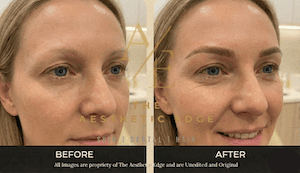
Microblading suits deeper skin tones, and the variables that decide the outcome are not the ones most international content discusses. Pigment is selected for your specific undertone rather than pulled from a standard palette, oilier skin affects how quickly the strokes soften, and how your skin marks while healing is worth raising before anything is drawn. Those three things are assessed first, not afterwards.
Worth clearing up at the outset: this is a blade-and-pigment procedure, not an energy-based one. If you have been reading about settings, wavelengths and skin types in a device context, none of that language transfers here. The variables are the pigment, the placement and your healing.
Does microblading work on deeper skin tones?
Yes — with pigments selected for your undertone specifically. That qualifier is the entire article. Microblading places individual hair-like strokes of pigment into the upper layer of the skin, and pigment sitting in skin is always read against the skin around it. Choose the shade without accounting for the undertone it will sit against and the result drifts. Generic palettes are exactly what turn ashy or reddish over time.
What actually changes on deeper skin, then?
Three things, none of them about whether you are a candidate.
Which pigment is chosen, because the healed colour is a combination of the pigment and your own skin, not the pigment alone.
How long the strokes hold their crispness, because retention depends on skin type and oiliness, and oilier skin is common enough in this climate to be worth naming.
How the healing skin behaves, because skin with more melanin in it can respond to being broken with a temporary change in colour that is more visible than it would be on lighter skin.
The procedure itself — assessment, mapping, under two hours of work, a healing week, a touch-up — is the same procedure. The judgement calls inside it are what change.
Why does pigment choice matter more here?
Because the colour you approve on day one is not the colour you live with. Pigment settles, the surrounding skin heals, and what you are left looking at is a healed shade read against your own tone. A pigment chosen from a fixed palette without reference to undertone is the reason so many people describe brows that went grey, ashy or unexpectedly warm a year in. That drift is a selection problem, not an inevitability.
This is the same principle behind our lip micropigmentation work, where colour is matched to Indian skin undertones rather than picked from a chart — same reasoning, a different part of the face.
Does oilier skin make it fade faster?
Oiliness is one of the documented variables in how quickly hair strokes soften, alongside skin type and sun exposure. Microbladed brows typically hold for 24 months or more, and that range depends on your skin and your aftercare — which means the honest answer to "how long will mine last" is a number nobody can give you from a blog post.
Ask for an estimate at your assessment, where your skin is actually being looked at. And plan for a refresh rather than a single appointment: microblading is semi-permanent, so the strokes soften gradually rather than staying fixed.
What about marks left behind after healing?
This is the question deeper-skinned patients most often want answered and most rarely see addressed, so here is a straight answer including the part we do not know about you.
Any procedure that breaks the skin can be followed by a temporary change in the colour of the healing skin, and on deeper skin tones such a change can be more noticeable and slower to settle than it would be on lighter skin. That is a general property of skin with more melanin in it, not a microblading-specific claim. Our treatment protocol does not document a rate for this or a separate regimen for it, so this article is not going to invent either.
What it means practically is that it belongs in the consultation, out loud. Raise it, and mention any history you have of skin darkening after cuts, spots, threading, waxing or a previous cosmetic procedure. That history is genuinely useful information and it is the sort of thing patients tend to assume is not relevant.
The part within your control is the aftercare. You are given a written aftercare sheet covering what to expect day by day, and following it is not optional detail — it is the input you supply to your own healing.
If your underlying concern is overall unevenness of tone rather than your brows, that is a separate conversation entirely. BB Glow is a different treatment, and a doctor reviews your skin type and the cause of your pigmentation there before anything is chosen.
Microblading, ombré, or both?
Both are offered, and this is a real choice rather than a marketing distinction. Microblading lays down individual hair-like strokes. Ombré builds a soft, shaded gradient — lighter at the front, more defined towards the tail. Many people choose a combination of the two. Which suits you depends on your skin type and the look you want, and it is decided at consultation.
Given that skin type is one of the deciding factors, this is worth arriving with an open mind about rather than a technique already picked from social media.
How is the shape decided?
Before anything is drawn, your face shape, skin type and natural hair growth are studied, and the brow is mapped for Indian facial structures rather than copied from a template built around a different bone structure. The shape is agreed with you before the procedure begins — that agreement is the point of the mapping stage, not a formality at the end of it.
When should I contact the clinic while healing?
Brows look slightly darker for the first few days and settle within a week or two, with light aftercare through the first week. Beyond that, please contact us rather than deciding for yourself what a change means.
Ring the clinic if:
- redness spreads outwards from the brow instead of settling
- swelling increases after the first couple of days rather than easing
- the area feels hot, or produces discharge
- pain increases after the first two or three days
- a rash, spreading itch or blistering appears
- you develop a fever or feel unwell in yourself
- healing has not followed the timeline on your aftercare sheet
There is one addition specific to this article. If the skin around the treated area changes colour as it heals, do not try to work out yourself whether that is ordinary healing, pigment settling, or something that needs attention. Those can look similar and telling them apart takes someone examining the area. Ring us and be seen. This list is not exhaustive and it is not a diagnostic tool; if you are feverish or genuinely unwell, seek medical care the same day.
What to ask at your consultation
Five questions that will tell you quickly whether you are in careful hands: which undertone are you matching me to, what shade should this heal to, does my history of marking change anything, would microblading or ombré suit my skin, and how many sessions will my brows need.
On cost: microblading is from ₹10,999 per session, and it is a two-session course including the touch-up — so budget for the course, not the first appointment. The price is the same at Indiranagar and Bellandur, and what moves it is the shape, how much natural brow hair you have, whether previous pigment has to be worked around, and whether you want microblading alone or combined with ombré.
Consultation is ₹500, waived against treatment. Book an appointment and bring the questions above with you.