
Chronic Dandruff vs Dry Scalp: Why Treating the Wrong One Doesn't Work
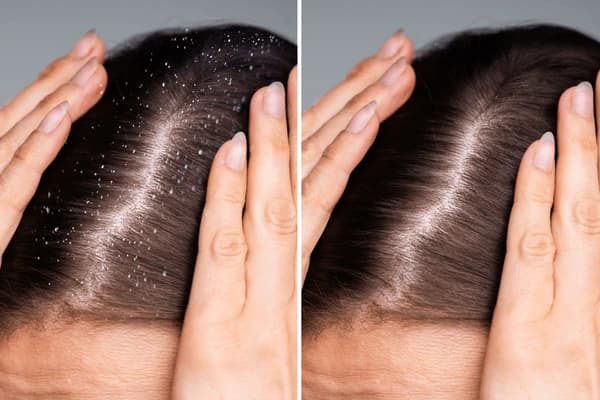
Flaking, itching and an oily scalp are symptoms, not a diagnosis. Seborrhoeic dermatitis, fungal overgrowth, scalp psoriasis and simple dryness all produce similar flaking, and each is treated differently. That is the entire reason so many people feel that nothing works: the products may be fine, but they are aimed at the wrong cause.
It is worth sitting with that for a moment, because it reframes a frustration a lot of patients arrive with. Cycling through six shampoos over eight months and getting nowhere is not evidence that your scalp is untreatable. It is closer to evidence that the cause was never identified in the first place.
Can I tell which one I have by looking?
Not reliably, and this is the honest answer rather than a way of steering you into an appointment. These conditions look similar on the scalp. That resemblance is the whole problem, and it is why a doctor examines your scalp before anything is prescribed.
Anti-Dandruff Treatment begins with exactly that examination. The cause is identified rather than guessed at, and only then is a medicated shampoo or topical treatment chosen, at a strength and frequency that matches what you actually have.
If you have been self-diagnosing from search results and photographs, you are attempting the one part of this that genuinely requires a trained eye on your actual scalp. Everything downstream of that decision depends on getting it right.
Why do supermarket shampoos help for a while and then stop?
Because over-the-counter products are built to cover a general case. A doctor identifies which cause you have and prescribes an active ingredient, a strength and a frequency for it. A general-purpose product may land close enough to help briefly, then stop making a difference — which is the pattern almost everyone describes.
There is a second half to this that matters as much. The itch is treated alongside the flaking. Scratching damages the scalp and worsens the cycle, so calming the irritation is part of the plan rather than an afterthought. A product that reduces flakes while you keep scratching through the day is working against itself.
Treatment here is a short in-clinic course plus prescribed home care. The clinic sessions, around 30 to 45 minutes each, do the heavy work. The routine you follow at home between visits is what stops it returning. There is no downtime, and it is carried out under medical supervision.
Why does it keep coming back?
Most dandruff is a chronic, relapsing condition rather than a one-off infection. Treatment settles a flare. A maintenance routine is what keeps it settled.
Stopping everything the moment the flaking clears is the single most common reason it returns, and it is completely understandable — the scalp looks fine, so the problem seems solved. It is more useful to think of the clear scalp as the result of the routine rather than as a finish line that makes the routine unnecessary.
That is why a proper plan includes a maintenance routine rather than only a course that ends. Dandruff tends to recur, and a plan that does not account for recurrence is an incomplete plan.
In Bangalore, patients commonly point at the usual local suspects — the water in their building, the dust on the commute, a helmet worn through a sweaty afternoon, the humidity in the weeks around the monsoon. Those are reasonable things to mention at your appointment and they may well be relevant to your routine. What they cannot do is substitute for identifying which condition you actually have. Two people blaming the same hard water can need entirely different prescriptions.
Is my dandruff causing my hair fall?
Persistent scalp inflammation and heavy scratching can contribute to shedding, and an inflamed, flaking scalp limits what any regrowth treatment can achieve. That said, hair fall usually has its own separate cause, which a doctor will assess rather than assume.
This is the practical reason scalp treatment often comes first. Starting a regrowth course on an inflamed scalp is building on unstable ground, so settling the scalp is frequently step one before Hair Fall Treatment is considered. If your concern is shedding rather than flaking, that page is the better starting point, and the two conversations can happen at the same consultation.
Hair Botox is a separate treatment with its own page and its own indications; it is not a dandruff treatment, and it is worth reading about on its own terms rather than as part of this plan.
How soon should I expect a difference?
Itching often eases first, usually within the first week or two. Visible flaking generally takes a few weeks to settle. Those are different timelines and it helps to expect both, because relief from the itch can arrive well before the mirror agrees with you.
Your doctor reviews the scalp and adjusts the routine rather than leaving you on the same regimen indefinitely. If you are three months into an unchanged routine that is not delivering, that itself is information worth acting on.
What to bring to the appointment
Make a list before you come: every product you have used on your scalp in the last year, roughly how long you stayed with each, and what changed while you were using it. Mention any flaking elsewhere on your body, and any family history of skin conditions. It shortens the path to identifying the cause considerably.
You can book an appointment at our Indiranagar or Bellandur branch for a scalp examination. Come before you buy the seventh shampoo, not after.