
Botox vs Wrinkle Relaxer: How to Choose
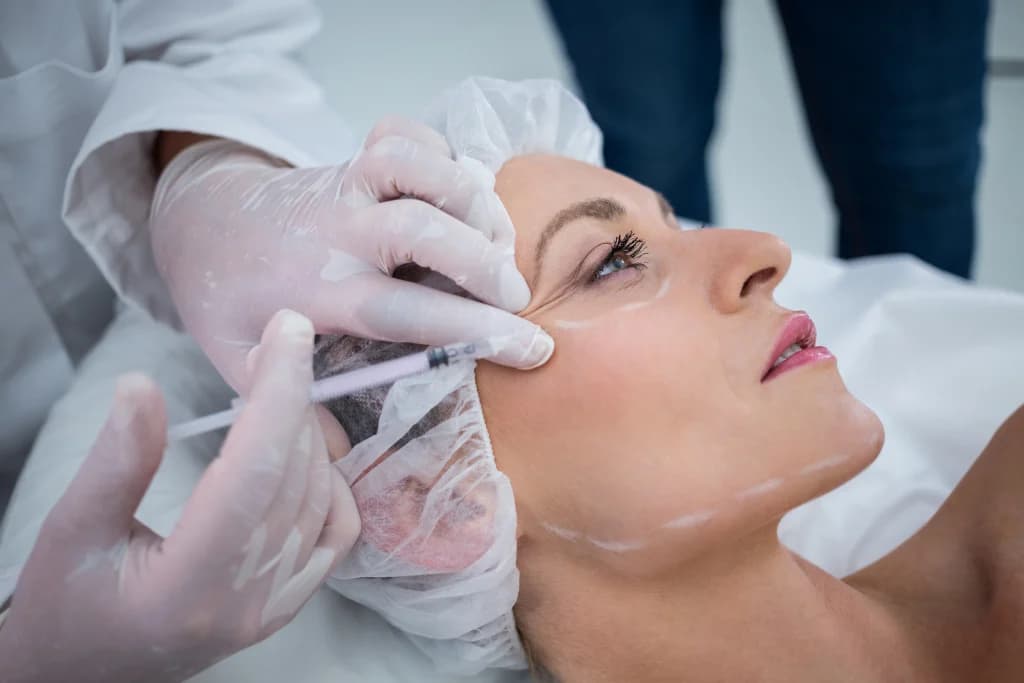
They are the same treatment. Botox is a brand of botulinum toxin; "wrinkle relaxer" is the descriptive name for the same class of injectable. Neither is stronger, newer or safer than the other, and choosing between them is not a clinical decision. What genuinely differs is what each name is used to cover — one of the two also carries recognised medical uses.
Most comparison articles would take that fact and build eight rows of difference on top of it anyway. We would rather say it once, plainly, and then spend the rest of the page on the distinctions that are real.
Is "Botox" a brand name?
Yes. Botulinum toxin is the medicine; Botox is one manufacturer's name for it, in the way that a particular painkiller has a chemical name and a name on the box. It became the word everyone uses because it arrived first and advertised loudest, which is why patients search for it by brand and describe the treatment by brand even when a different product is in the vial.
"Wrinkle relaxer" is what the same injection is called when it is named by what it does rather than by who makes it. Patients who have not been sold the brand tend to arrive using this phrase instead.
Then why does this clinic have two pages for it?
Because people arrive with two different questions, and answering both on one page serves neither well.
The Botox page is written for the person whose concern is facial expression lines — horizontal forehead lines, the vertical frown lines between the brows, crow's feet at the outer corners of the eyes. It covers the assessment, the mapping, the injections and the two-week review in that context.
The wrinkle relaxer page covers the same injection, and then keeps going into the uses that are not about lines at all. That is the substantive difference between the two, and it is the only one that should change what you do next.
Where the two genuinely diverge: the medical uses
This is the part that is worth reading even if you came here for lines.
The same botulinum toxin injection has established medical applications, and this clinic offers three of them. Injected into the masseter — the thick chewing muscle at the angle of the jaw — it can reduce the force of clenching and grinding, which many patients find eases jaw soreness and the tension headaches that come with it; the lower face also softens as the muscle relaxes. Injected into the underarm for hyperhidrosis, it can meaningfully reduce sweat production for several months at a time.
None of that appears on the Botox page, because that page is scoped to expression lines. So if your actual problem is a jaw you wake up clenching or shirts you sweat through however careful you are, the wrinkle relaxer page is the one describing what you need — not because it is a different medicine, but because it is the page that says so.
Whether your particular concern is one this injection can help is confirmed at the consultation rather than assumed from a list.
Do the appointment details differ at all?
Marginally, and the differences are descriptive rather than clinical.
The Botox page describes a sitting of about fifteen to thirty minutes; the wrinkle relaxer page describes about twenty to thirty minutes plus numbing time, because it spells out the numbing cream as a step — applied for thirty to forty-five minutes if you want one. Both describe results beginning at around four to seven days. Botox adds that the effect settles by about two weeks and is reviewed then; the wrinkle relaxer page describes a follow-up once the effect has fully settled and gives the repeat interval as every three to six months for cosmetic areas.
Read side by side, those are two accounts of one appointment written at different levels of detail. If the timings you have in your head came from one page, you have not been misinformed by the other.
Do the listed side effects differ?
Mostly they overlap, with one addition worth knowing about.
Both describe short-lived redness or small bumps at the injection points, usually gone within an hour or two, and both describe occasional bruising — more likely around the eyes, on blood-thinning medication, or with fish oil — generally clearing within a few days. Both describe uneven settling, where one side takes more than the other or a brow sits slightly differently, which is what the follow-up visit exists to correct.
The wrinkle relaxer page adds one the Botox page does not: a mild headache in the first day or two after treatment of the upper face, usually brief and settling on its own. That is a genuine addition rather than a discrepancy, and it is useful to have read beforehand so it does not alarm you.
What about the instructions before and after?
The wrinkle relaxer page is the more explicit of the two, so use it whichever name you booked under.
Beforehand: a consultation covering your concern, your medical history and any medication. You will be asked to avoid alcohol for at least twenty-four hours, and to eat before you come in so you do not feel lightheaded. Blood-thinning or anti-inflammatory medication is stopped only if your own doctor specifically advises it — not on your own initiative.
Afterwards: stay upright and avoid lying flat, leaning forward or bending for about four hours. Do not rub or massage the treated area for twenty-four hours, and skip exercise for the same period. Downtime beyond that is minimal, and most patients resume their usual activities the same day.
When should I contact the clinic rather than wait it out?
Whenever something is getting worse rather than better, and whenever you are not sure.
Ring the clinic if a bruise is deepening instead of fading over the following days, if redness or swelling at an injection point is increasing instead of settling, if a headache after upper-face treatment is not easing, or if unevenness is bothering you before your follow-up is due. And because this is a botulinum toxin injection either way, any weakness that appears to be spreading beyond the area treated, or any difficulty with swallowing, breathing, speaking or vision, is a reason to contact the clinic straight away rather than watch and wait. Deciding whether a symptom is connected is not a judgement to make at home.
Is either of them the same thing as a filler?
No, and this is the comparison that actually matters.
A wrinkle-relaxing injection reduces muscle movement, so it suits lines caused by expression. A dermal filler adds volume, so it suits hollowing and static creases. Some patients need one, some need both, and the consultation decides. Confusing these two is a far more expensive mistake than confusing a brand name with a generic one.
What does it cost either way?
The same, because it is the same medicine dosed the same way. Botulinum toxin is billed per unit rather than per treatment, and the rate here starts at from ₹299 per unit. What you pay follows the number of units your plan needs, which depends on the area and on how strong the muscle is.
A consultation is ₹500, waived off against treatment.
So which should I book?
Book the assessment and stop worrying about the label. You will be examined, your history taken and a plan made, and the words on the appointment slip will not change the medicine, the dose or who injects it.
If your concern is expression lines, either page describes your treatment. If it is jaw clenching, the headaches that follow it, or excessive underarm sweating, say so when you book so the right amount of time is set aside.
Book a consultation and describe the problem in your own words rather than choosing a treatment name for us.