
Are You a Good Candidate for Skin Boosters? An Honest Checklist
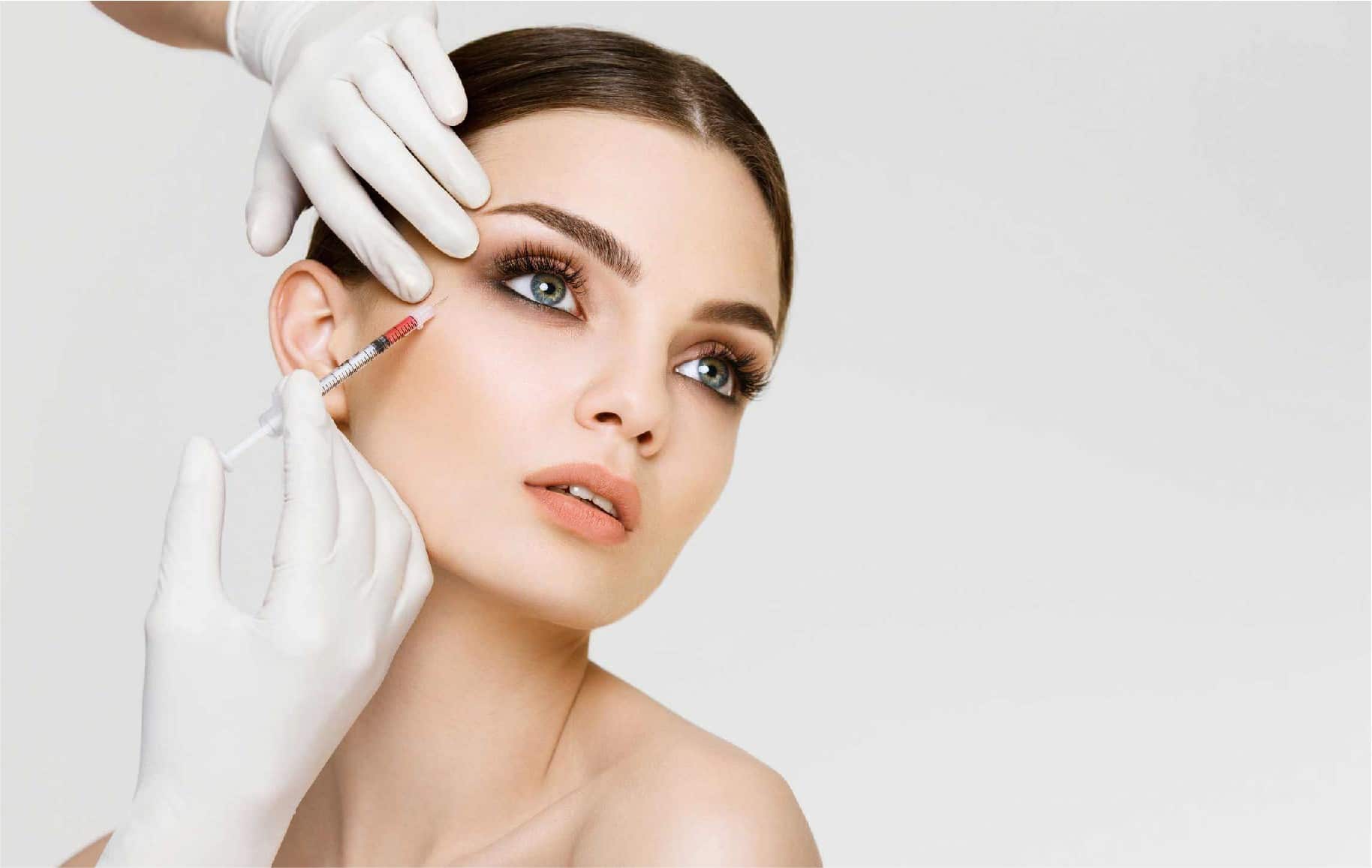
You are likely to be a candidate for skin boosters if your complaint is skin quality — dehydration, dullness, early fine lines, loss of suppleness — and you do not want your face shape altered. You are not, at least for now, if you have an active skin infection or open wound in the area, a known allergy to any ingredient, or if you are pregnant or breastfeeding.
That is the short version, and it is deliberately short because the real decision is not made by reading. It is made by a doctor looking at your skin. What follows is what that conversation covers, so you can arrive knowing which half of it you fall into and what to raise.
Which complaints do skin boosters genuinely answer?
Three, and they are all about the quality of the skin rather than the shape of the face. The patients most clearly suited to skin boosters tend to describe one of these:
Skin that looks dehydrated and dull however much water you drink or serum you apply. This is the central one. Hyaluronic acid placed inside the skin raises moisture at a depth no topical product reaches, and it holds many times its weight in water once it is there.
Fine lines beginning to show, particularly around the eyes and cheeks. Better hydrated, more elastic skin makes those lines less visible — especially in the areas prone to crepiness, under the eyes and around the mouth.
A wish for better skin without any change to your features. Boosters are not placed to add volume or contour. If part of your hesitation about injectables has been the fear of looking different, this is the category that leaves your face shape alone by design.
Which complaints belong to a different treatment?
Anything about volume, contour or shape. If the concern is a flattened cheek, a softened jawline or lips you want fuller, that is a filler's job, and a booster placed into the skin will not do it. Part of the assessment is confirming that boosters rather than a filler are the right answer at all.
Textural damage and scarring often sit elsewhere too. Microneedling works on the skin by a different route, and for some patients the discussion is about combining approaches rather than picking one. A vampire facial is another option again, using growth factors concentrated from your own blood. None of this is decided from a list — it is decided after your skin has been examined.
Who should not have skin boosters at all?
There are specific circumstances that rule treatment out, and they are worth stating in full rather than gesturing at:
- Active skin infection in the area. An injection would break skin that is already fighting something.
- Open wounds. Same principle. The area needs to have healed first.
- Skin cancer or melanoma in the area. Not a treatment site.
- A known allergy to any ingredient. This is one of the reasons the pre-treatment conversation asks about reactions you have had before.
- Pregnancy and breastfeeding. Both rule treatment out.
Some of these are temporary. A healed wound, a cleared infection — the answer changes. Others are not, and a doctor telling you so is the assessment working rather than failing.
Why do pregnancy and breastfeeding rule it out?
Because this clinic's position is that they do, and that is the answer you will be given here regardless of what you have read elsewhere. It is not a judgement about you and it is not permanent. If you are pregnant or breastfeeding now, the conversation is about when rather than whether, and it is worth having so that the plan is ready when the timing is.
Do not treat this as a rule to be argued around at reception. Say so at booking, and the appointment becomes a consultation about sequencing instead of a wasted trip.
Is there a right age for this?
There is not an age threshold, because the criterion is what your skin is doing rather than what year you were born. The patients who arrive with the clearest indication tend to be those noticing dullness and early fine lines rather than those with established volume loss.
If you are much younger than that and considering it because a friend had it, the assessment is still the answer — it may confirm that your skin does not currently need it, and that is a legitimate outcome of a consultation rather than a failed one.
What should you raise before anyone injects?
Anything you would raise before any procedure that breaks the skin: allergies and previous reactions, current skin conditions and where they are active, any infection you are being treated for, medication you take, and whether you are pregnant or breastfeeding.
Also mention what has already been done to your face and when. Previous injectable treatments, recent peels, recent needling — the sequence matters, and the doctor cannot plan around something they have not been told about.
What if your skin is irritated or broken out right now?
Then say so and let it be looked at. An active infection in the treatment area is an exclusion; ordinary irritation may not be, but that distinction is a clinical one and it is not yours to make from a photograph. Bringing it up is what allows the appointment to be moved rather than the treatment to be rushed.
The same applies to anything that flares — if your skin has periods when it is settled and periods when it is not, that pattern is useful information for timing the session.
Are you a good candidate if you want nobody to notice?
Yes — that is arguably the strongest indication of the lot. The change most patients describe is in how the skin feels: plumper, more resilient, with the visible glow following from that. Nothing about the treatment alters your proportions, so the outcome people notice is that you look well rather than that you look treated.
Set against that, if you want an obvious and immediate change, boosters are likely to disappoint you. Hydration improves gradually over the weeks after treatment rather than on the day, because part of the effect comes from your own collagen response.
How is candidacy actually decided?
In person. The first step of the treatment is a skin quality assessment: your doctor examines hydration, texture and elasticity, and confirms that boosters are the right answer to what is bothering you rather than a filler, a peel or microneedling. That same assessment rules out the conditions above.
No article, questionnaire or photograph substitutes for it, and you should be wary of anywhere willing to commit to a plan before examining you.
What does the assessment cost, and what if the answer is no?
The consultation is ₹500, waived against treatment. If the answer turns out to be that boosters are not for you — now, or at all — you will have spent that and learnt what your skin actually needs, which is a better outcome than a treatment that was never going to address your complaint.
To have that assessment, book an appointment at our Indiranagar or Bellandur clinic and bring your questions with you.