
Masseter Botox (Jaw Slimming) for Men: What men ask that the marketing never addresses
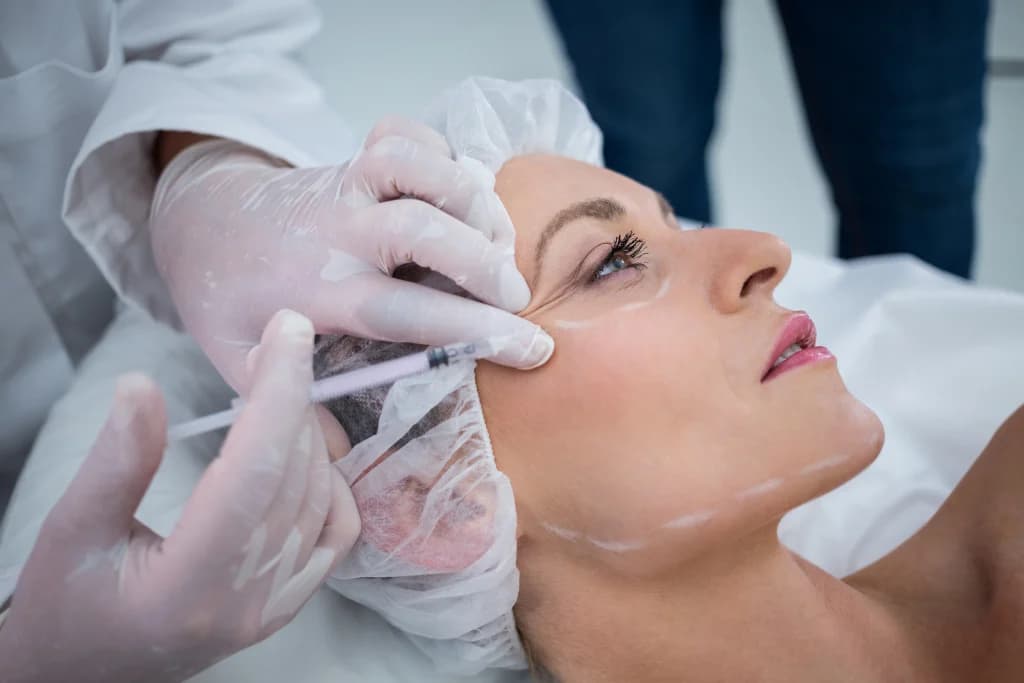
The treatment is identical for men: botulinum toxin placed into the masseter to reduce an overactive chewing muscle, softening a square lower face over four to six weeks and easing clenching sooner than that. There is no separate male protocol at this clinic. The dose follows the size of your muscle, which is measured by hand at the examination — not your sex, and not a template.
What differs is the set of questions men tend to bring, most of which the marketing around this treatment never touches. Here they are.
Isn't a wide jaw the thing men are supposed to want?
Often, yes — which is why the first useful question is whether this is your treatment at all.
Masseter Botox (Jaw Slimming) does one specific thing: it relaxes an overactive masseter so that the width that muscle is creating reduces. If what you want is a sharper or more defined jawline rather than a narrower one, that is a different goal with a different answer, and reducing the muscle is not it. Where the concern is contour or volume rather than muscle bulk, dermal fillers address a different problem entirely.
The men who do well with this are usually the ones describing the lower face as looking heavy or square in photographs, or the ones who came about clenching and discovered the shape was connected. If neither of those is you, being told so at the examination is a legitimate and useful outcome.
Do men need a higher dose?
The clinic does not dose by sex. It doses by muscle.
The doctor palpates each masseter at rest and clenched and plans units per side from what is actually there. Men frequently do have heavier masseters, and heavier masseters do take more units — but the causation runs through the muscle, not around it. A man with a modest masseter and a woman with a substantial one are dosed accordingly, and neither is given the other's number.
The practical version: a clinic that quotes you a "male dose" before touching the muscle has skipped the examination the dose depends on. Botulinum toxin is priced per unit here — from ₹299 per unit — and the masseter takes considerably more units than the wrinkle areas do, so the unit count is the conversation. The total is confirmed at the consultation, once the muscle has been examined.
What happens to chewing, and will it affect training?
Chewing fatigue in the first days is the commonest effect of this treatment, and "fatigue" is the accurate word — tough food feels tiring rather than impossible, while the muscle adjusts and neighbouring muscles take up more of the work. It settles within days to a couple of weeks.
Two practical consequences for men who train. First, if a high-protein diet has you working through a lot of chicken and hard food, expect the first week to be slower going and plan softer meals into it. Second, the aftercare asks you to skip strenuous exercise for the rest of the treatment day and to leave the jaw alone — no rubbing or massaging — for the first twenty-four hours. That is one day, not one week, but it is worth putting the appointment on the right side of a session you care about.
Anything beyond that — a specific question about bite force, or about how this sits alongside dental work — belongs in the consultation rather than in an article. Say what you do and how much of it, and let the doctor answer against your own examination.
Will anyone be able to tell?
Not in the way people fear, because there is no day on which you look different.
The muscle begins relaxing over roughly the first two weeks, but the visible slimming builds gradually between four and six weeks as an overactive muscle reduces in bulk. A change that arrives over a month and a half tends to read as natural to the people around you, precisely because it has no before-and-after moment attached to it.
What should not change is your expression. The masseter closes the jaw; it does not move your lips, so relaxing it does not take your smile with it. The honest caveat is that a temporary smile change or asymmetry is a recognised risk of poor placement, since the muscles that assist the smile sit close to the masseter and toxin can drift. It is uncommon, and it wears off as the effect fades rather than lasting — but it is why the injection points are mapped while you clench, and why this should be given by a doctor who knows masseter anatomy rather than treated as a menu item.
What if I came about the grinding rather than the shape?
Then say so first, because it changes the plan.
Reducing the masseter's contraction force takes the power out of clenching and grinding, which is why this is treated as much a functional treatment as a cosmetic one here. Patients who grind often notice easier mornings and less jaw tension within the first couple of weeks — commonly well before they can see anything in the mirror. During the assessment the doctor establishes whether your concern is aesthetic, functional, or both, and the answer feeds the dose.
Said plainly: teeth grinding and jaw pain are medical conditions, and nothing you read online can tell you that you have one. If you wake with a tight jaw, or someone has mentioned a noise at night, the correct next step is an examination rather than a conclusion.
Does a beard change anything?
No. The injection goes into muscle, well below the skin surface, so facial hair makes no difference to placement and there is nothing to shave beforehand.
What does help is arriving able to clench on request. The points are marked while you clench so the muscle's real bulk and borders are visible, rather than estimated. It takes thirty seconds and the whole plan rests on it.
What should I declare that I probably won't think of?
Supplements, mostly. Men are the likelier half of the clinic's patients to be taking something they do not consider a medicine.
Fish oil is named alongside blood-thinning medication in the clinic's own list of what raises the chance of bruising at the injection points, and plenty of people take it daily without filing it as a drug. The same goes for anything in a pre-workout or a stack. List all of it, including anything over the counter, and do not stop prescribed medication on your own account — that decision belongs to the doctor who prescribed it.
The screening also covers where the treatment is not advised at all: certain neuromuscular conditions such as myasthenia gravis, an active infection at the injection site, and — relevant to partners rather than to you — pregnancy and breastfeeding. Botulinum toxin is a prescription medicine, and this screening is the step that decides whether it is prescribed.
How long am I committing to?
Four to six months, and then a decision rather than an obligation.
The effect wears off gradually rather than being permanent, and as it fades the muscle returns to its previous activity. Keeping the result means repeating the treatment. For men weighing up whether they want their face to change at all, that temporariness is the useful part: a first session is a low-commitment way to find out whether the change suits you, and if it does not, waiting is a complete solution.
One nuance in the other direction — with repeated treatment, the muscle often stays reduced for longer between sessions, so the interval does not necessarily stay fixed forever.
When should I contact the clinic afterwards?
Some tenderness, a possible bruise and a jaw that tires on tough food are the expected first few days. Get in touch with the clinic, rather than waiting it out or searching, if:
- bruising or tenderness at the injection points is worsening rather than fading, or has not cleared after several days;
- the area becomes hot, increasingly painful, or the skin there breaks down;
- your smile starts pulling unevenly, or one side of the jaw looks different from the other;
- chewing is becoming harder as the days pass rather than easier;
- a headache after the treatment is persisting rather than settling;
- anything worries you and you would rather ask than wonder.
Do not try to interpret any of it yourself or treat it at home. Describe what you are seeing and when it started, and let the doctor who treated you decide whether you need to be seen.
Where to start
With an examination rather than a decision. A consultation is ₹500 and is waived against treatment if you go ahead, so an honest "this is not your treatment" costs very little. Book an appointment at Indiranagar or Bellandur, and take your full supplement and medication list with you.