
How to Prepare for Masseter Botox (Jaw Slimming) (and What to Avoid Beforehand)
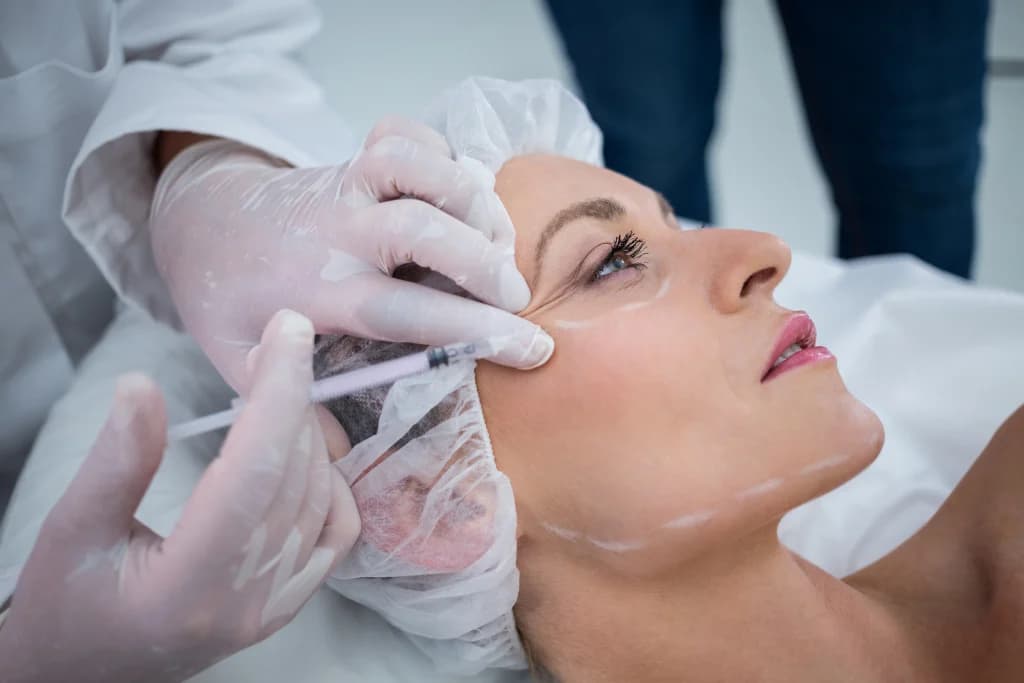
Preparing for masseter Botox comes down to two things: arriving without thinned blood, and giving the doctor a complete picture of your health. You will be asked to avoid alcohol for the twenty-four hours beforehand and to flag any blood-thinning medication. Keep the rest of the day free of strenuous exercise, and expect the appointment itself to take about fifteen to thirty minutes.
Everything else in this post is detail around those two points — and around the one thing people underestimate, which is that the days after need a little planning too.
What should you avoid in the twenty-four hours before?
Alcohol. The clinic asks you to leave it alone for the day before, and the reason is straightforward: bruising at the injection points is one of the recognised effects of Masseter Botox (Jaw Slimming), and anything that thins the blood makes it likelier.
Fish oil belongs in the same conversation. It is named alongside blood-thinning medication in the clinic's own list of what raises the chance of bruising, and plenty of people take it without thinking of it as a drug at all. If it is in your daily routine, say so at the consultation rather than deciding for yourself whether it counts — and do not stop any prescribed medication on your own account either. That decision belongs to the doctor who prescribed it.
What do you need to tell the doctor?
Everything you take, and anything you have been told about your health. The consultation is designed to screen for the situations in which this treatment is not advised, and it can only screen against what you disclose.
The clinic names four in particular. Masseter Botox is not advised during pregnancy or breastfeeding, with certain neuromuscular conditions such as myasthenia gravis, or where there is an active infection at the injection site — and all blood-thinning medication should be declared. Botulinum toxin is a prescription medicine, and this screening is the part of the appointment that decides whether it is prescribed at all.
Two more things are worth volunteering without being asked. If you grind or clench, say so, even in passing. And if you have had botulinum toxin before anywhere on the face, mention when and where. Both change the conversation about dose, because the plan is built around whether your concern is the shape of the jaw, the clenching, or both.
Does anything need doing to your skin or your jaw?
No — and this is the part where people over-prepare. Nothing in the protocol asks you to fast, to change your skincare, to shave, or to do anything to the jaw itself. Eat normally beforehand. A beard makes no difference to an injection that goes into muscle.
What does help is arriving able to clench on request. The injection points are marked while you clench, so the doctor can see the muscle's real bulk and borders rather than estimate them, and the dose per side is planned from what is actually there instead of from a template. That is a thirty-second ask, but it is the step the whole result rests on.
When in the week should you book it?
Downtime is minimal and most patients go back to work the same day, so the appointment does not need a day off. Two things still argue for putting it early in the week rather than the night before something that matters.
The first is bruising. It is occasional rather than expected, and it clears within a few days, but a few days is a real number if you have photographs on Friday. The second is chewing: tough food can feel tiring for the first days while the muscle adjusts and its neighbours take up the work. If your week contains a long dinner where you would rather not be thinking about your jaw, put the appointment on the other side of it.
Also plan to skip strenuous exercise for the remainder of the treatment day, and leave the jaw alone — no rubbing or massaging it — for the first twenty-four hours.
What actually happens on the day?
The doctor palpates each masseter at rest and clenched, and establishes whether what is bothering you is aesthetic, functional, or a mix. Units per side are then planned from your muscle bulk and marked while you clench, deliberately keeping the placement clear of the muscles that move your smile. The injections themselves are a few fine-needle points into each side, minutes per side; most patients describe a brief sting rather than pain. Then you leave.
A review is set for around six weeks, because the slimming builds gradually and that is the point at which symmetry can be judged and any small top-up decided.
What should you expect the money conversation to be?
Not a fixed figure, and you should be suspicious of one. Botox is priced per unit at this clinic — from ₹299 per unit — and nobody has a single unit of anything. The masseter needs considerably more units than a forehead does, how many depends on your own muscle bulk, and the two sides often differ. That is why unit counts and the total are confirmed at the consultation, after the doctor has examined the muscle, rather than quoted over the phone.
The consultation itself is ₹500, waived against treatment if you go ahead.
What is worth asking while you are there?
Three questions repay themselves. Ask how many units are planned per side and why they differ, if they do. Ask what the doctor expects the change to look like at six weeks rather than at two, since softening from around two weeks and the full slimming by four to six is the honest sequence. And ask what happens if it is not enough — the answer is the six-week review, which exists for that.
If you are still weighing it up, the reversibility is a genuine comfort: the effect fades over four to six months rather than being permanent, so a first treatment is a low-commitment way to see whether the change suits you.
Ready to be assessed? Book an appointment at Indiranagar or Bellandur. If the examination points instead towards Botox for expression lines, or dermal fillers where the issue is volume rather than muscle, the doctor will say so at the same visit.