
Are You a Good Candidate for a Hydra Medi Facial? An Honest Checklist
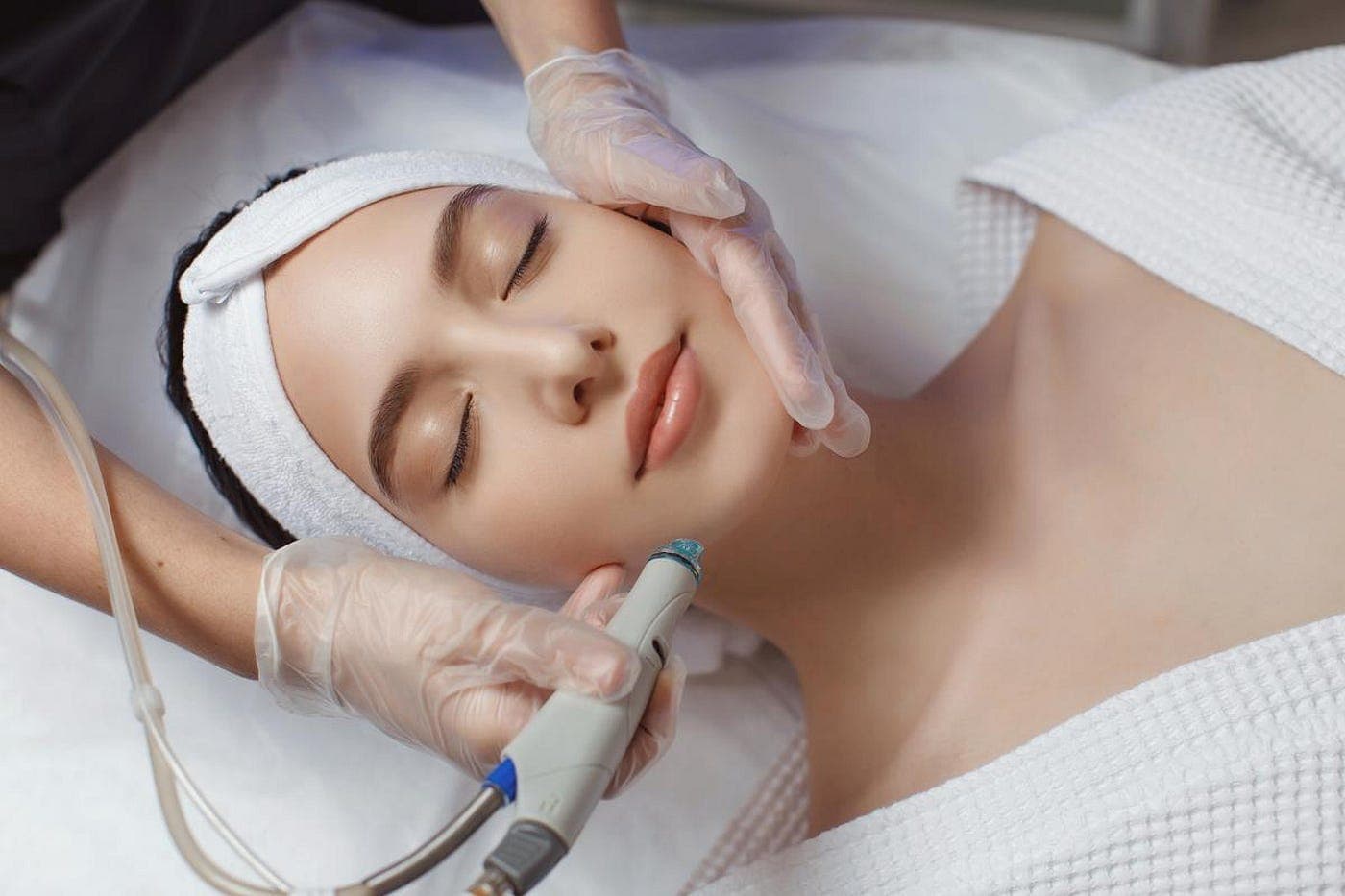
Most people are candidates. The treatment suits every skin type, sensitive skin included, and there is no recovery to plan around. The exceptions are specific and short: anyone with an active skin condition on the day should reschedule, the protocol is not performed during pregnancy, and anyone whose real goal is correcting pigmentation or acne scarring is asking for a different treatment, not this one. Candidacy is confirmed in person, by a doctor, before anything starts.
Nothing on this page can tell you about your own skin, and it is not trying to. What it can do is sort you into roughly the right conversation before you spend ₹500 on a consultation, so that appointment starts further along.
Sign one: does the description sound like you?
The patients this suits tend to arrive saying one of three things.
- "My skin looks tired and congested, and a salon facial never lasts."
- "I want something visible before an event, but I have no days to spare."
- "My skin is sensitive and most facials leave it red and reactive."
If you recognised yourself in any of those, you are in the right place. The first is answered by suction extraction and the clearing passes; the second by the absence of downtime; the third by a protocol built with anti-inflammatory and anti-bacterial elements, which is why reactive skin generally tolerates it.
Does my skin type rule me out?
It does not. Oily, dry, combination, sensitive — the protocol is suitable across all of them, and sensitivity in particular is a reason patients get sent here rather than a reason to be turned away.
That surprises people, because "clinical" is often read as "stronger, therefore harsher". The acid stage in this treatment is facial-strength and short, present to soften what is blocking pores rather than to strip anything, and the sequence finishes by sealing hydration in.
When should I postpone rather than book?
If any of the following is true on the day, the appointment should move:
- An active rosacea flare.
- Sunburn, including the kind you got without noticing.
- An infected breakout.
A facial can make these worse rather than better. Your doctor checks for them at the start of the session — which does mean an appointment can be redirected after you have arrived, and that is the system working rather than failing. It is also why arriving honest about what your skin has been doing saves everyone time.
Postponing is not the same as being unsuitable. It is a question about this week.
Who cannot have it at all?
Pregnant patients. The protocol is not performed during pregnancy, and that is not a caution to be weighed against how much you would like a facial. Tell your doctor at consultation and an appropriate alternative will be discussed — there are usually options, and this is a conversation worth having rather than a door closing.
Am I actually asking for a different treatment?
This is the question that decides whether you will be satisfied, and it gets skipped more often than the safety ones.
The treatment is maintenance. It clears, hydrates and brightens, and results hold for several weeks with good home care. It does not correct pigmentation and it does not remodel scarring, because both of those sit deeper than the protocol works.
So if what brought you here is:
Post-acne marks that faded partway and stalled, or dullness that survives everything you do at home — a chemical peel is the treatment with the right mechanism. Peels lift pigmented surface cells and prompt turnover underneath, worked as a course over months with the depth and solution chosen for your skin type after a patch test. That last part is not bureaucracy: a peel too strong for your skin can cause pigmentation rather than clearing it.
Uneven tone you would like to look more even in bare skin for weeks at a time — BB Glow is a different approach, infusing a tinted, skin-nourishing serum into the upper layers with a micro-needling pen, and again only after a doctor has reviewed what is causing the unevenness.
Congestion, flatness, and skin that looks better for two days after a salon facial — that is this treatment, straightforwardly.
You may well end up doing more than one of these. The point is knowing which is answering which concern.
Is there an age or a "too early" for this?
Not in the way people imagine. This is upkeep, so the honest test is whether your skin currently needs maintaining rather than whether you have reached some threshold. Someone in their twenties with congestion and a commute has as sensible a case as someone twice that age.
The reverse test is more useful: if nothing is bothering you and you are booking because a treatment exists, wait until you have a reason.
What if I have had other treatments recently?
Say so at consultation, with dates. Sequencing several treatments matters, and the person planning it needs to know what your skin has already been through this month — including anything you had done elsewhere. Nobody is judging the history; they are avoiding stacking things that should be spaced.
How is candidacy actually decided?
By examination, not by checklist. Stage one of every appointment is a doctor reviewing your skin type and ruling out anything active, and that review is the part a salon cannot offer.
A consultation is ₹500 and is waived against the cost of treatment if you go ahead, so the assessment is not a fee you pay to be told no. Sessions start from ₹2,999 per treatment, with a complimentary chemical peel — a ₹1,999 treatment on its own — included every time.
If you have read this far and are still unsure which of the conversations above is yours, that is a good reason to book rather than a reason to keep reading. Come with the concern in your own words. See the full protocol on the Hydra Medi Facial page, or book a consultation at Indiranagar or Bellandur.